 By
By
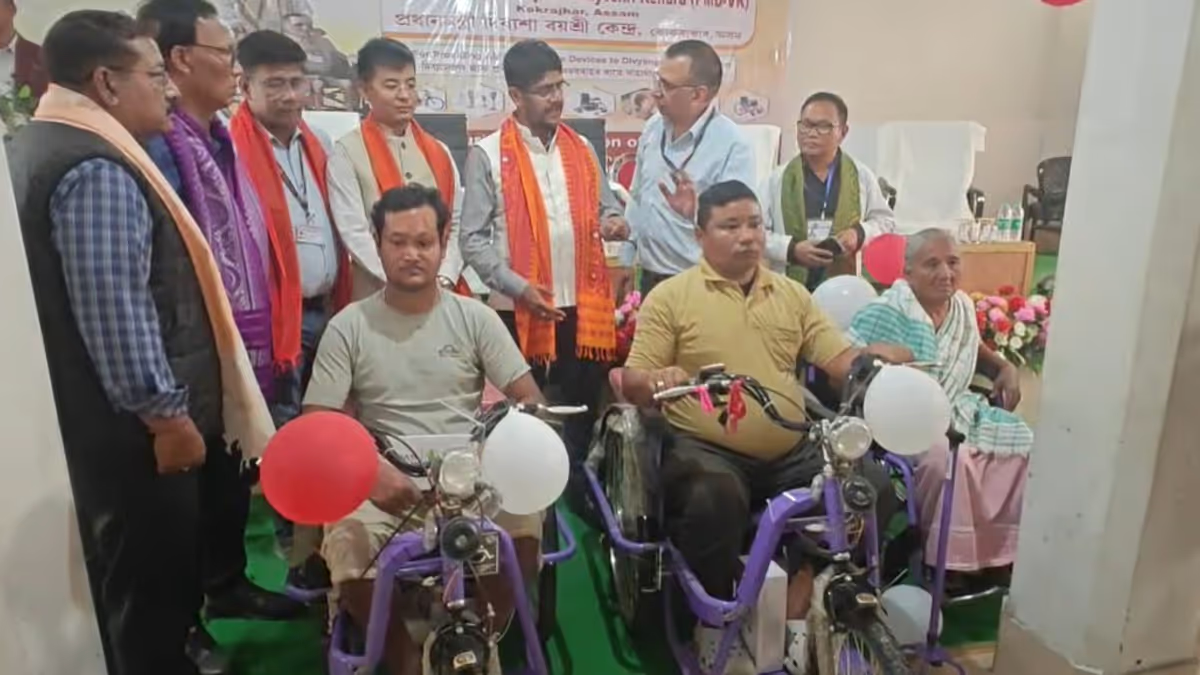
A new Pradhan Mantri Divyasha Vayoshri Kendra (PMD-VK) was inaugurated on Thursday at Rupnath Brahma Civil Hospital in Kokrajhar, marking a major step forward in strengthening inclusive healthcare and rehabilitation services for persons with disabilities and senior citizens in the region.
The centre was officially opened by District Commissioner Pankaj Chakravarty, in the presence of senior officials from the Artificial Limbs Manufacturing Corporation of India (ALIMCO), local administration leaders and representatives of the Health Department.
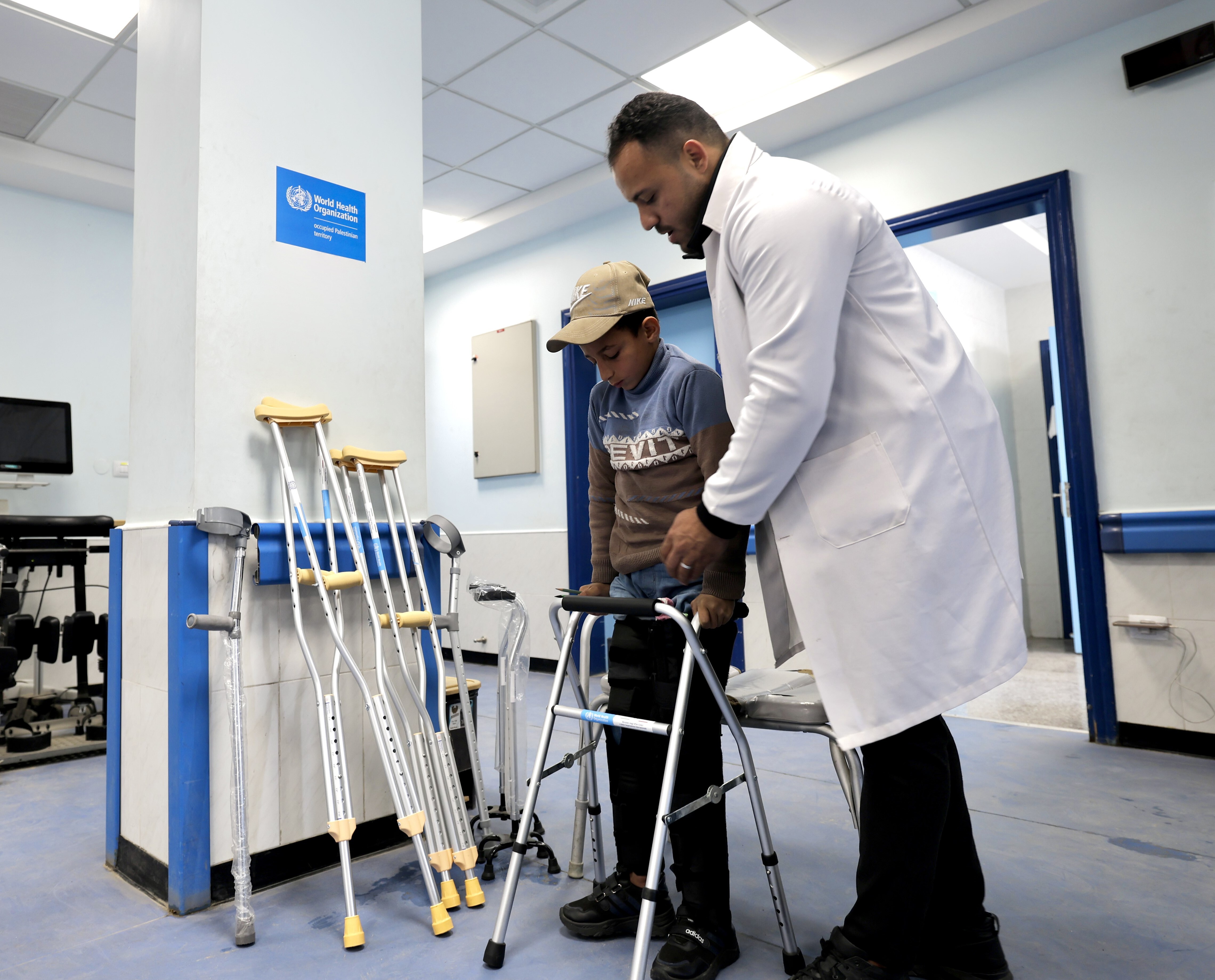
Designed as an integrated support hub, the PMD-VK will deliver a range of assistive services and rehabilitation support under one roof. This includes assessment, counselling, specialist medical consultations, speech therapy and distribution of assistive devices such as wheelchairs, hearing aids, tricycles and walkers, tailored to the needs of eligible beneficiaries in Kokrajhar and neighbouring areas.
In a symbolic start to its operations, 35 selected beneficiaries received assistive devices during the inaugural programme — providing immediate relief and mobility support to local residents who often face barriers to accessing rehabilitation services.
District Commissioner Chakravarty underscored the importance of the PMD-VK in promoting dignity, independence and social inclusion for people with disabilities and older adults. He also highlighted efforts to improve accessibility at civic touchpoints, including provisions like wheelchairs at polling stations and facilitated home voting for senior citizens ahead of upcoming elections.
The new PMD-VK in Kokrajhar is the fourth centre of its kind established in Assam. It has been set up under the Government of India’s Assistance to Disabled Persons (ADIP) Scheme and the Rashtriya Vayoshri Yojana (RVY), implemented through ALIMCO. The centre will provide free, high-quality assistive devices to persons with disabilities and senior citizens from below-poverty-line (BPL) households, helping to reduce travel burdens and connect beneficiaries with vital services closer to home.
The initiative owes its realization to months of collaborative work by local administrators and health officials, reflecting sustained commitment to inclusive development and improved quality of life for vulnerable populations in the district.