 By
By
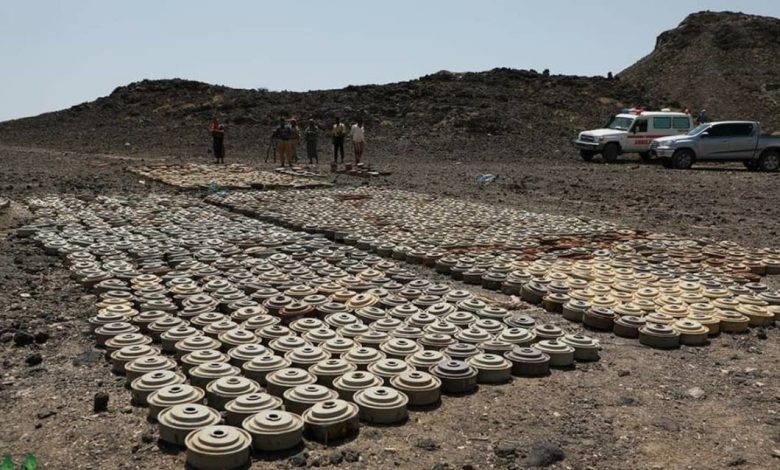
A new rights report has underlined the long-term rehabilitation burden created by landmines in Yemen, documenting more than 1,100 civilian deaths since 2017 and hundreds of survivors left with permanent disabilities, including limb amputations. According to Yemen Monitor, the Yemeni Network for Rights and Freedoms said anti-personnel and anti-vehicle mines planted by the Houthi group caused 4,947 cases of human and material damage across multiple governorates between January 2017 and March 2026.
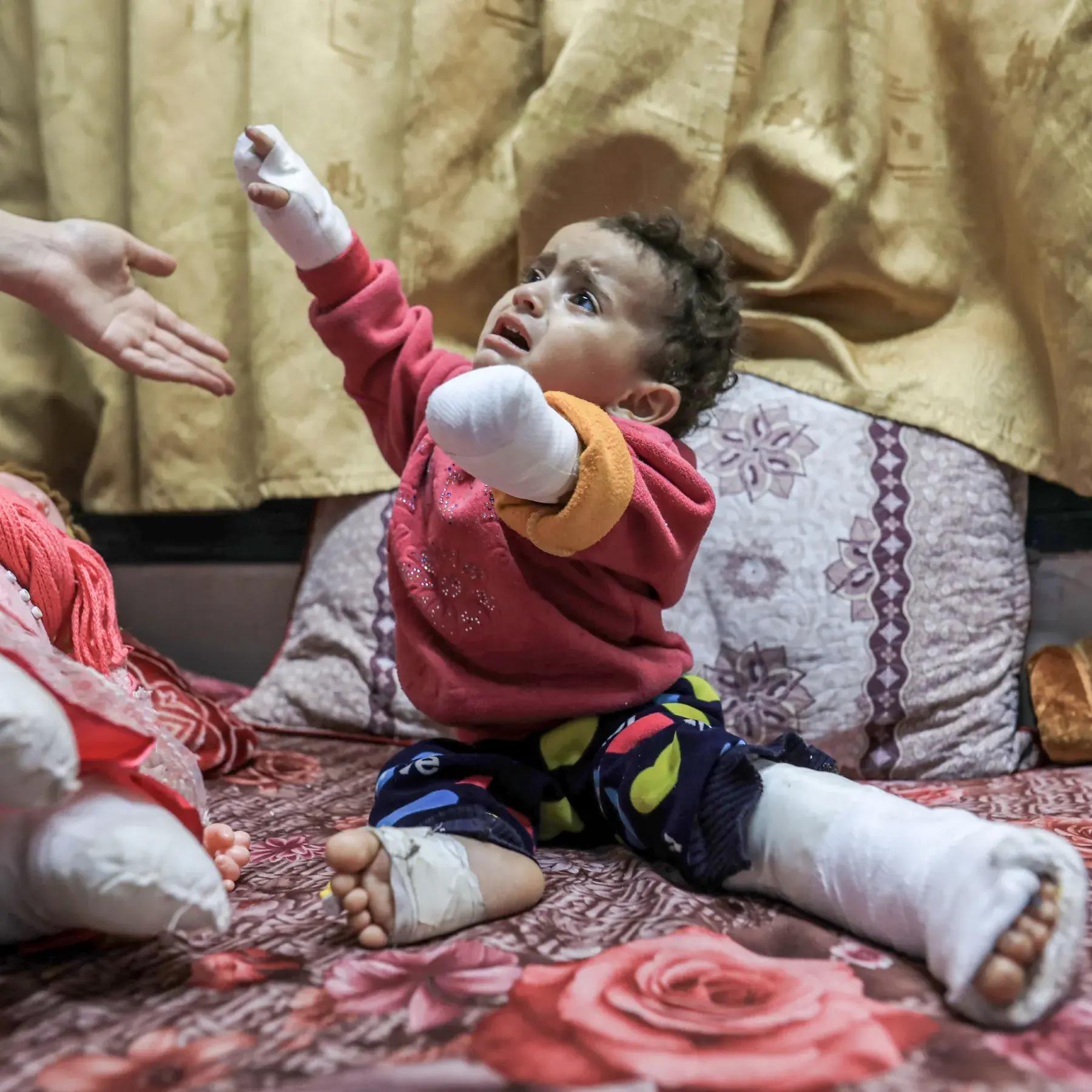
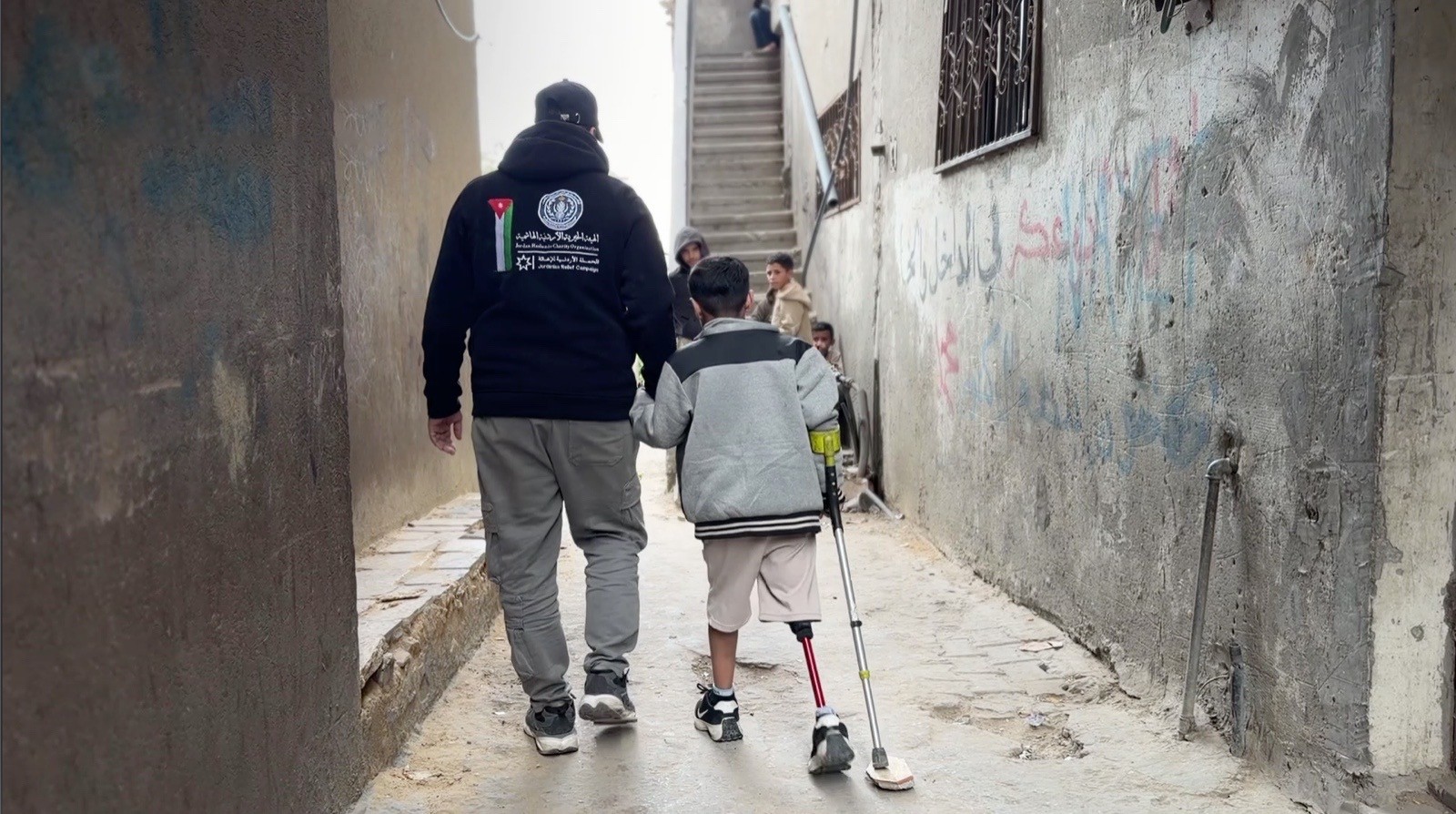
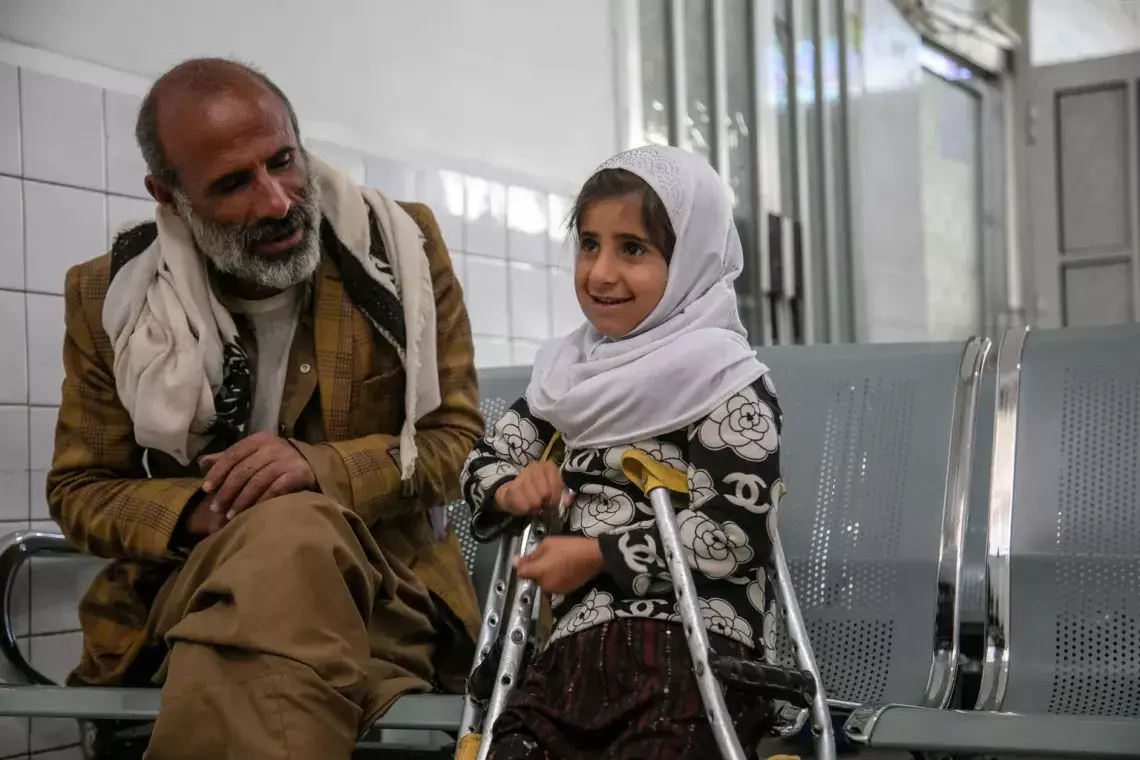
The report, published to coincide with the International Day for Mine Awareness and Assistance in Mine Action, said field teams documented 1,104 deaths caused by mine explosions, including 232 children and 98 women. It also recorded 1,429 injuries, among them 316 children and 171 women. Most striking for rehabilitation and assistive-technology audiences, the report said explosions caused permanent disabilities for 693 people, including 252 cases of limb amputation and two cases of total blindness.
For IMEA CPO readers, that is the central point. The humanitarian toll of mines in Yemen is not only measured in deaths and injuries at the moment of explosion. It is also measured in the long-term need for prosthetics, orthotics, physiotherapy, mobility devices, follow-up care, and social reintegration. A figure of 252 amputations in a conflict-affected, resource-constrained environment points to a substantial ongoing rehabilitation burden rather than a one-off emergency. That is an inference, but it follows directly from the report’s disability data and the documented scale of physical rehabilitation need in Yemen.
The geographic spread of the reported casualties also matters. Yemen Monitor said Taiz recorded the highest number of deaths at 198, followed by Al-Hudaidah (127), Marib (120), Al-Bayda (98), Al-Jawf (97), Lahj (93), Hajjah (71), and Saada (56), with additional cases distributed across other governorates. That wide distribution reinforces the challenge of ensuring survivors can actually reach specialized rehabilitation services, especially when conflict, transport barriers, and uneven health infrastructure continue to affect access.
The report also documented heavy damage to civilian infrastructure, including 998 buildings reportedly destroyed or bombed using high-explosive mines, among them 712 houses, 52 schools and educational centers, 48 government headquarters, 62 mosques, and 22 commercial shops. It further recorded 368 explosion incidents affecting civilian transportation in 14 governorates, along with the booby-trapping of bridges, culverts, wells, and farms. That broader infrastructure damage matters because it deepens the barriers survivors already face in getting to care, staying in rehabilitation, and rebuilding independent lives after injury.
The wider rehabilitation context in Yemen shows why these figures matter so much. The ICRC said in 2023 that about 15% of Yemen’s population, or roughly 4.5 million people, are estimated to live with disabilities, including at least 460,500 people who require a mobility device and 153,500 who require a prosthesis or orthosis. The organization also said it works with Yemen’s Ministry of Public Health and Population across five physical rehabilitation centres in Aden, Sana’a, Mukalla, Sa’ada, and Taiz, and had provided physical rehabilitation services to 401,687 people in Yemen from 2017 to 2022.
Other organizations are also trying to expand the network of services. Humanity & Inclusion said in February 2025 that it opened a new prosthetics and orthotics centre at Al-Thawra Hospital in Hodeidah, with an initial capacity of 350 beneficiaries, expected to grow to 500 to 600 by 2026, and eventually to 3,600 beneficiaries annually. HI said that, across Yemen, it supports five physical rehabilitation centres and 15 rehabilitation units in hospitals.
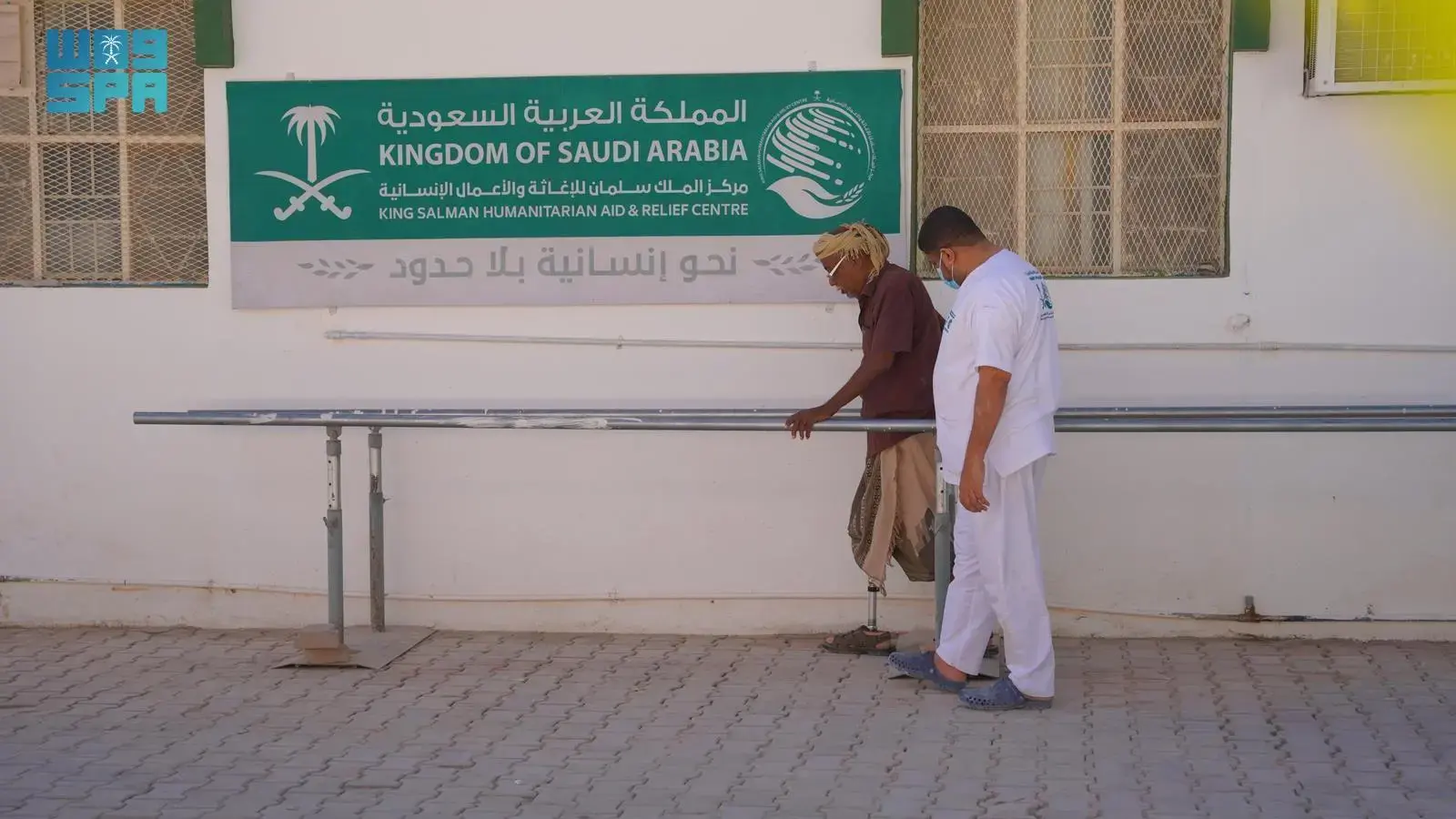
Meanwhile, Saudi and partner-backed rehabilitation initiatives continue to scale. The Saudi Press Agency reported recently that a KSrelief-supported prosthetics and rehabilitation centre in Marib provides manufacturing, fitting, rehabilitation, physiotherapy, and specialist consultations. Separate 2026 reporting also points to support for centres in Aden, Marib, Taiz, and Seiyun, alongside thousands of prosthetic, orthotic, maintenance, and physiotherapy services delivered through those programmes.
Still, the new landmine report is a reminder that service expansion is racing against a continuing need burden. In Yemen, conflict-related injury is not only producing acute trauma. It is also generating long-term disability in large numbers, much of it linked to explosive hazards that continue to affect civilians well after front lines shift. For O&P and rehabilitation providers, that means the country’s needs are likely to remain substantial across prosthetic fitting, orthotic support, physiotherapy, assistive mobility, and survivor follow-up for years to come. This is an inference, but it is strongly supported by the mine casualty data and the existing scale of rehabilitation demand documented by humanitarian providers.
Why this matters
The most important takeaway is that Yemen’s landmine crisis is also a rehabilitation crisis. Reports of deaths are only part of the picture. Survivors living with amputation and permanent disability will need long-term access to devices, therapy, repairs, and social support, often in areas where health and transport systems are already under severe strain. For the IMEA CPO sector, that makes Yemen one of the clearest examples of how conflict, disability, and rehabilitation demand remain tightly linked.