 By
By
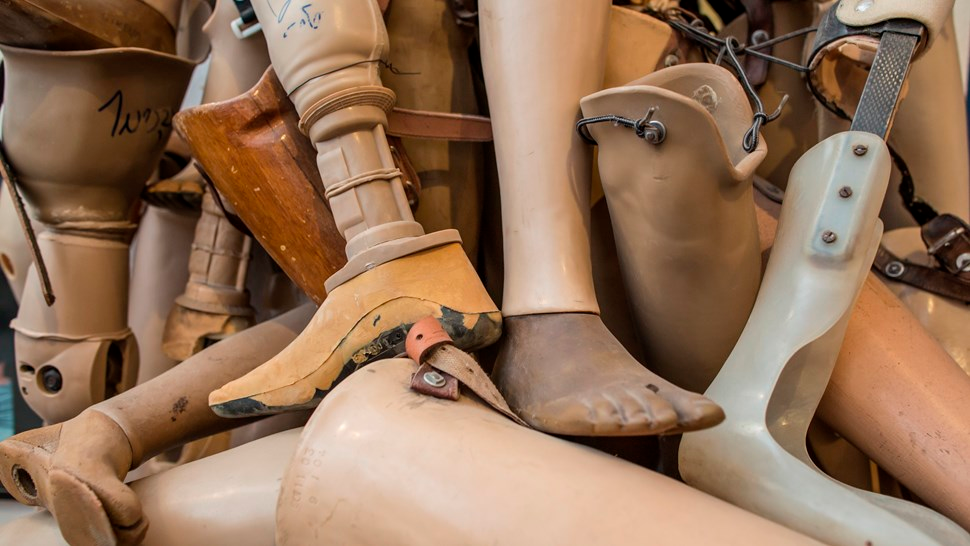
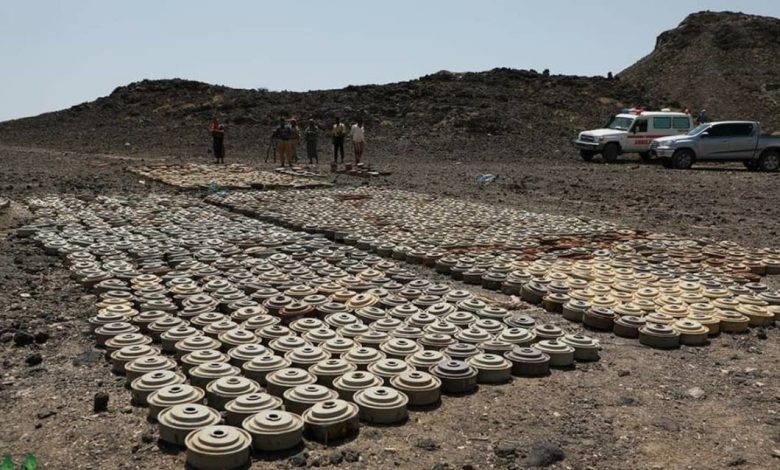
Yemen’s orthotics, prosthetics, and rehabilitation sector operates under extreme pressure: prolonged conflict, disrupted supply chains, and constrained health infrastructure have increased disability while simultaneously limiting access to services. Demand is driven by conflict-related injuries (including blast and landmine trauma), alongside a growing burden of diabetes-related limb complications and stroke-related disability—all translating into sustained need for prosthetic limbs, orthotic bracing, assistive devices, physiotherapy, and long-term follow-up.
As with other “system rebuilding” narratives, Yemen’s O&P challenge is not only producing and fitting devices, but strengthening the full rehabilitation pathway: referral, assessment, fabrication, fitting, physiotherapy, maintenance/repairs, and continuity of care—often across long travel distances and insecure routes.
Prevalence & demand drivers (key statistics)
Diabetes
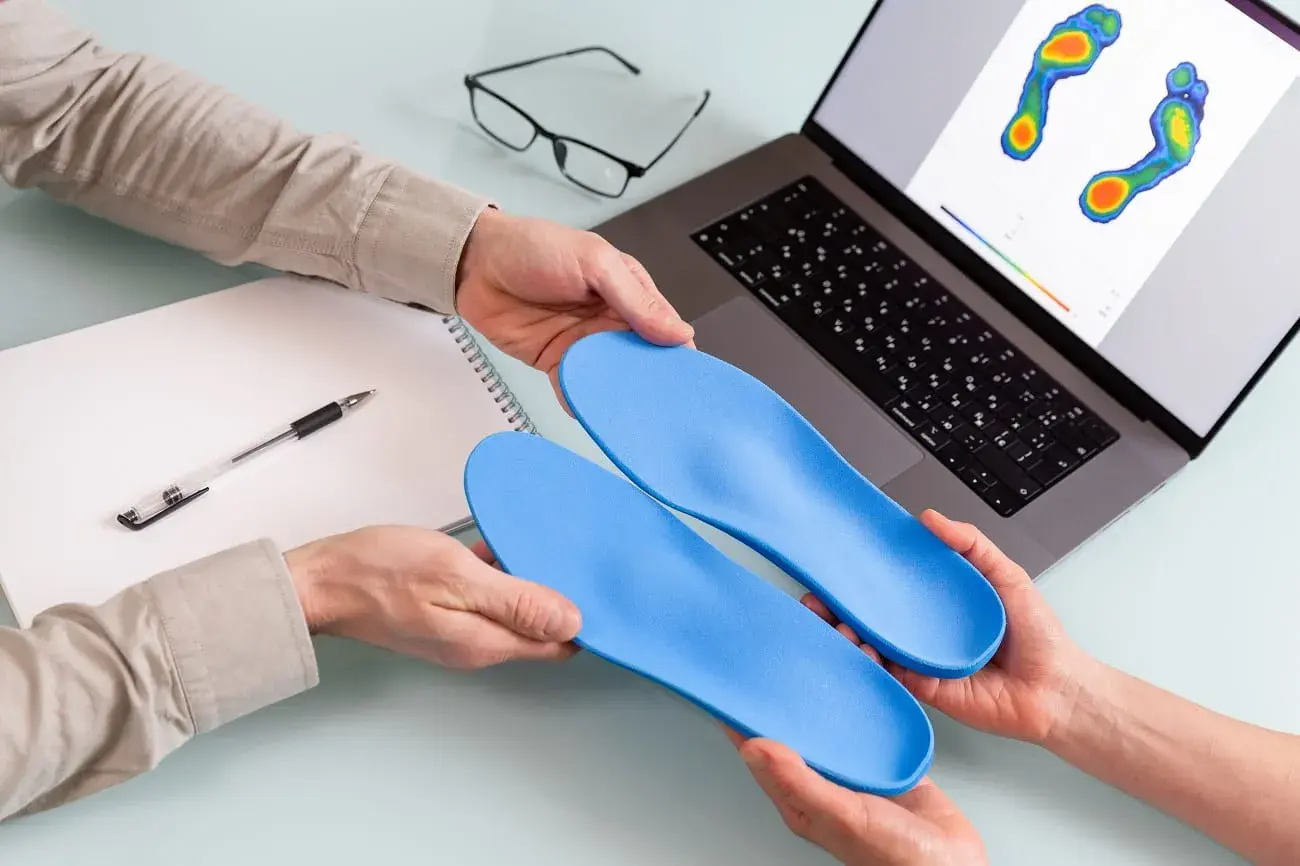
Diabetes is a major driver of diabetic foot ulcers, infection risk, and preventable amputations—creating high demand for protective footwear, custom foot orthoses/offloading, and limb-loss prevention pathways. The International Diabetes Federation (IDF) estimates for Yemen (2024):
- 5.5% diabetes prevalence among adults (20–79)
- ~720,800 adults living with diabetes
Stroke
Stroke is a key cause of long-term disability and need for AFOs/KAFOs, upper-limb supports, mobility aids, and neurorehabilitation. Yemen-specific reporting (WHO-referenced figures cited in Yemeni clinical literature) notes:
- 13,570 stroke deaths in 2020 (8.72% of all deaths) and an age-adjusted stroke death rate of ~127.49 per 100,000
Persons with disabilities
Disability estimates vary widely by method (census vs. surveys vs. humanitarian estimates). UNICEF’s Yemen disability assessment summarizes:
- 1.9% (2004 census) and ~2.4% (2014 Household Budget Survey)
- plus a commonly cited WHO estimate around 15% of the population living with disability (often used in humanitarian planning)
Amputations
Precise national amputee totals are not consistently reported, but conflict-related limb loss is repeatedly described as substantial. ICRC reporting from early conflict years cited an estimate of ~6,000 people left disabled (often linked to blasts/mines/gunshots) as the war escalated.
Yemen O&P system snapshot
Yemen’s rehabilitation delivery is best understood as a network of physical rehabilitation centres (PRCs) supported by international humanitarian partners, combined with hospital-linked services and project-funded programmes targeting amputees and mobility-impaired patients. Key system characteristics include:
- Heavy reliance on donor-funded materials, components, and staff support
- High need for repairs and maintenance (device longevity is critical when re-fitting is difficult)
- Access barriers: security, travel distance, cost, and intermittent service availability
Top orthotic & prosthetic service providers in Yemen
A practical list of the most visible service anchors and programmes currently shaping O&P delivery:
1) International Committee of the Red Cross-supported Physical Rehabilitation Centres (PRCs)
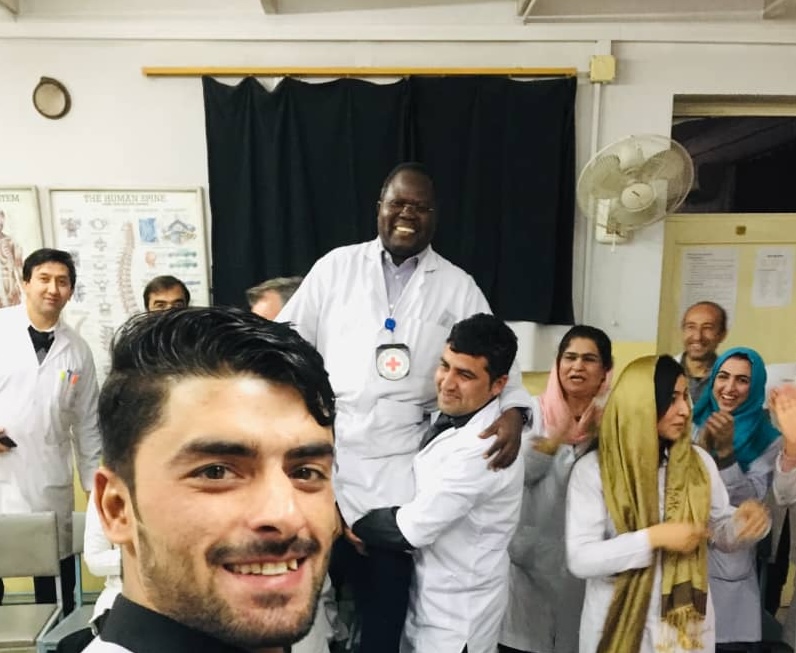
The ICRC has supported PRCs providing prosthetic/orthotic devices and related physiotherapy, including centres referenced in Sana’a, Taiz, Sa’ada, Aden, and Hadhramaut (and also cited elsewhere as including Mukalla within Hadhramaut).
2) Humanity & Inclusion P&O Centre at Al-Thawra Hospital (Hodeidah)
A newer prosthetics and orthotics centre launched to expand access in western Yemen, with plans to scale beneficiary capacity and integrate graduating P&O students into the workforce pipeline.
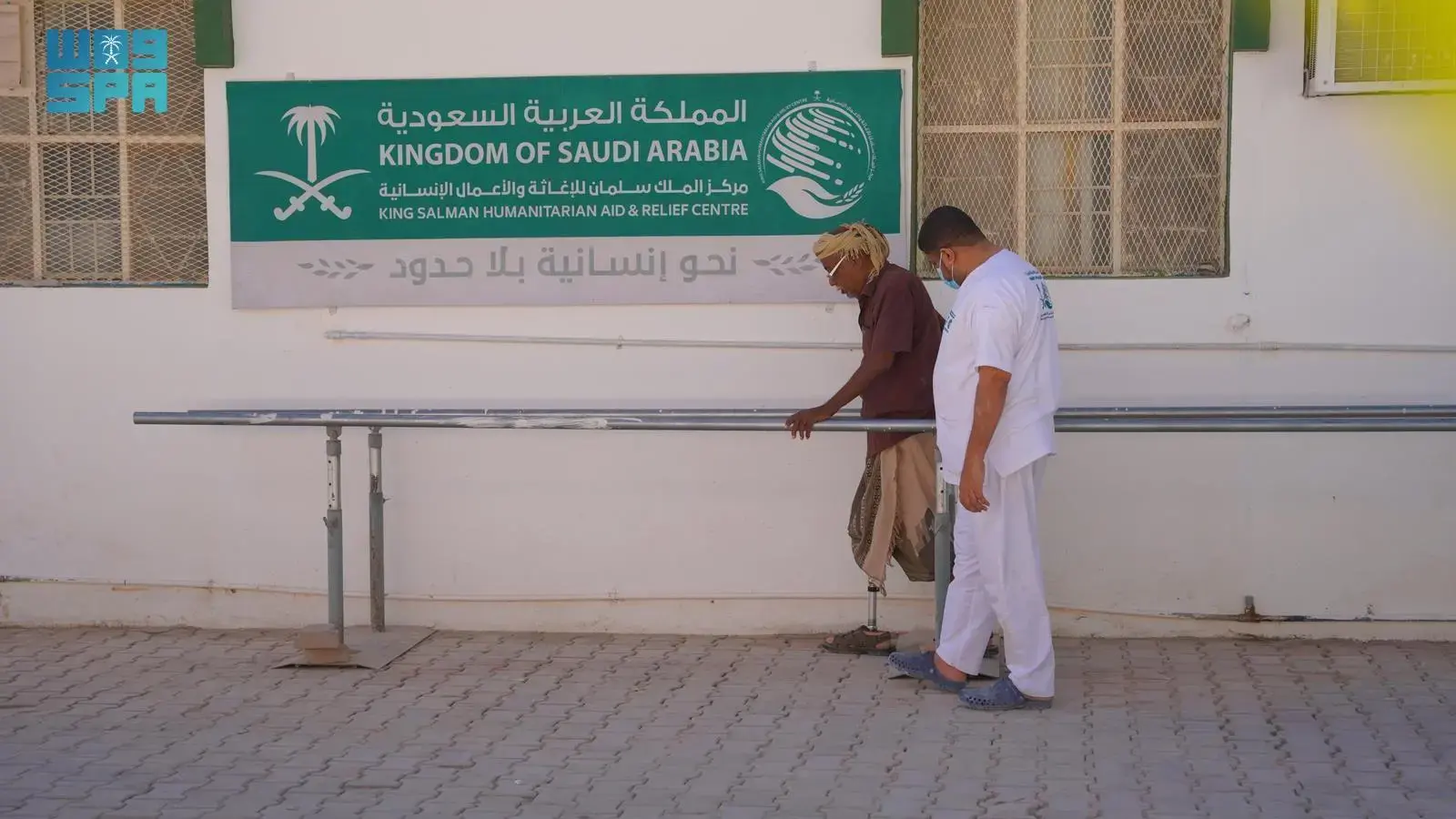
3) KSrelief-supported Prosthetic & Rehabilitation Centre (Aden)
Aden’s centre is frequently referenced in KSrelief updates for monthly beneficiary service volumes and is part of wider project activity supporting amputees and mobility-impaired patients.
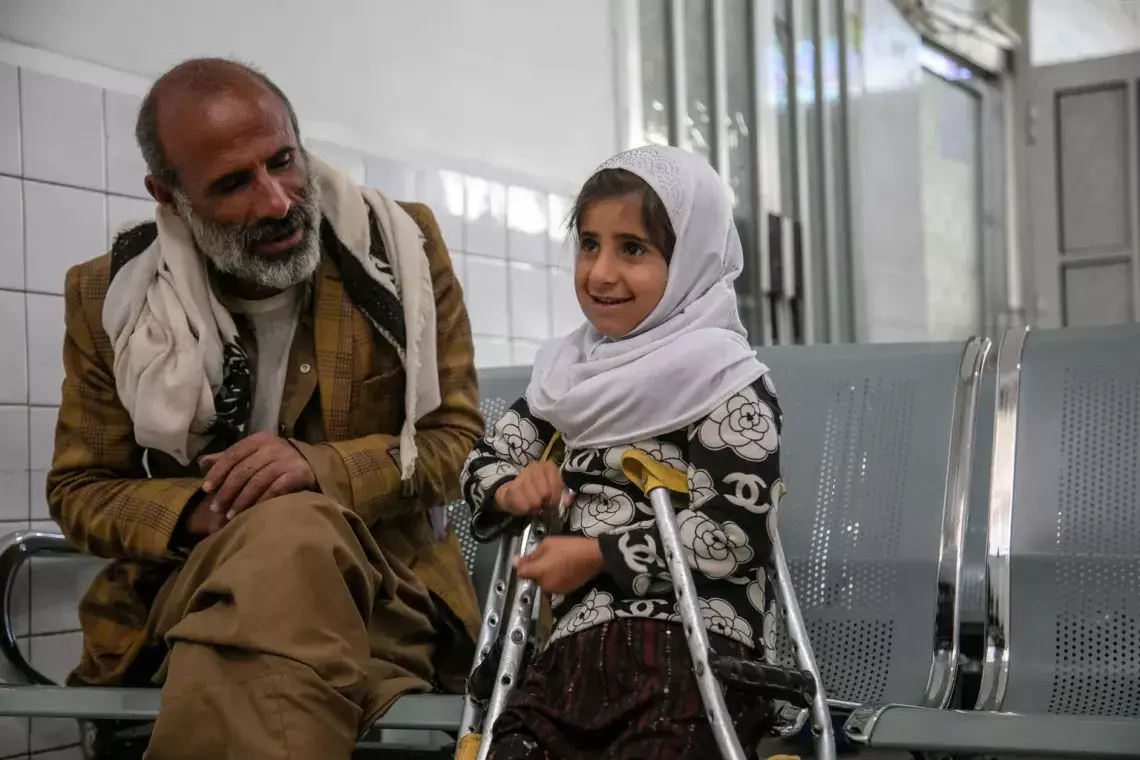
4) Prosthetics & Rehabilitation Centre (Sana’a) – UNICEF-supported inputs
The Sana’a PRC has received support specifically aimed at keeping paediatric services functioning, including provision of prosthetic materials for children.
5) Alameen / national programme-linked multi-centre rehabilitation projects (Aden, Taiz, Marib, Hadhramaut)
Several project summaries describe multi-centre delivery models focused on free prosthetics and rehabilitation services across multiple governorates (often tied to humanitarian funding and MoH coordination).
Key challenges
- Rehabilitation is under-supplied relative to need, especially outside main governorate hubs
- Repair/maintenance capacity and component availability are persistent constraints
- Limited workforce pipeline and uneven distribution of trained P&O staff (in a setting where follow-up is essential)
Growth opportunities (what comes next)
- Amputation prevention at scale, especially diabetic foot pathways (screening → footwear/orthoses → rapid referral) grounded in the IDF diabetes burden
- Hub-and-spoke rehabilitation: outreach fitting/repair days linked to PRCs to reduce travel and missed follow-ups
- Standardised outcomes + repair programmes to extend device life and reduce downtime
- Digital workflows where feasible (remote assessment + central fabrication + local fitting) to shorten turnaround in hard-to-reach regions
IMEA CPO outlook
Yemen is a high-need rehabilitation environment where strengthening O&P services directly affects survival, independence, and economic participation. With diabetes prevalence at 5.5% (adults 20–79) and stroke contributing significantly to mortality and disability, Yemen’s biggest gains will come from protecting scarce rehabilitation capacity, expanding maintenance/repair pathways, and scaling prevention—especially diabetic foot and early post-injury rehabilitation.