 By
By
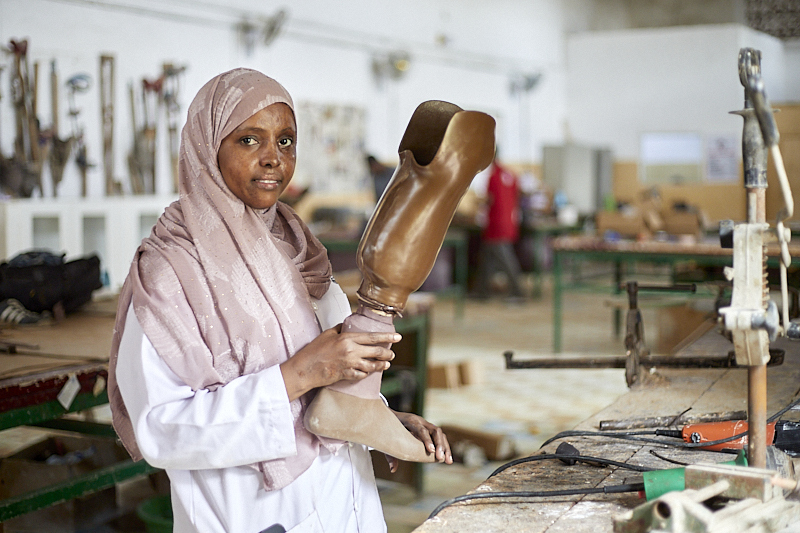
Somalia is one of the most important rehabilitation and assistive technology contexts in the Horn of Africa. Its orthotic and prosthetic needs are shaped by decades of conflict, explosive trauma, road traffic injuries, displacement, childhood disability, chronic disease, poverty, climate shocks and limited access to specialist health services.
With an estimated 2025 population of around 19.7 million people, Somalia has a large and youthful population. Almost half of the population is aged 0–14, making paediatric disability, early intervention, clubfoot care, cerebral palsy support, orthotic management, mobility aids and inclusive education especially important.
For orthotists, prosthetists, rehabilitation professionals, NGOs, suppliers and humanitarian organisations working across Africa and the wider IMEA region, Somalia represents a country where O&P services are not simply a technical specialty. They are part of a wider humanitarian, health-system and disability inclusion priority.
Country Context
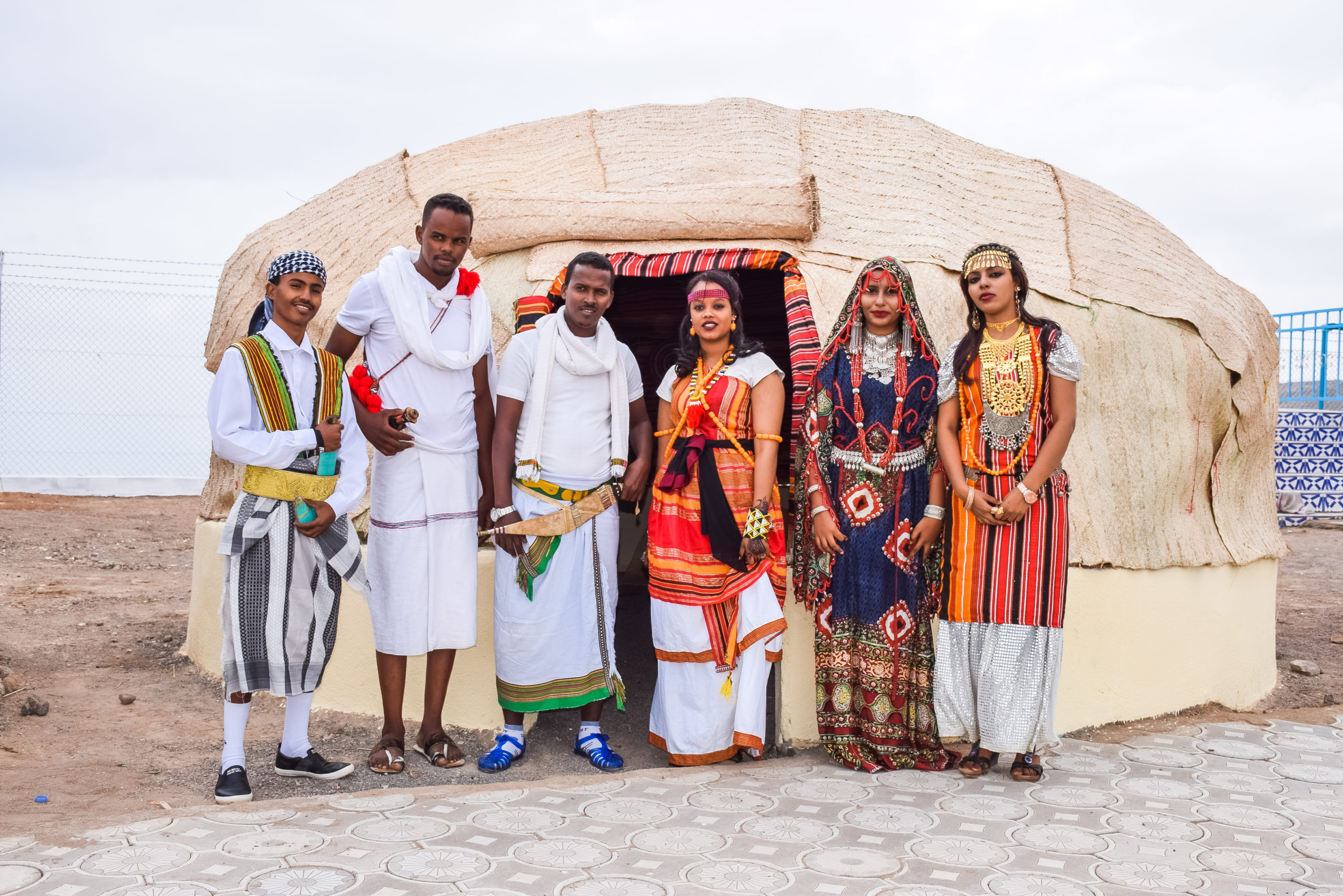
Somalia is located in the Horn of Africa, bordered by Djibouti, Ethiopia and Kenya, with a long coastline along the Gulf of Aden and Indian Ocean. Its population is dispersed across urban, rural, nomadic and internally displaced communities. This geography and social structure make access to rehabilitation services difficult, particularly for people living outside major cities or in areas affected by insecurity.
Somalia’s health system has been shaped by prolonged instability, humanitarian crises, recurrent drought, food insecurity and displacement. These pressures affect every part of rehabilitation delivery: referral, transport, workshop access, prosthetic fitting, orthotic provision, physiotherapy, repair services and long-term follow-up.
In this environment, rehabilitation needs must be approached through practical service models. Centralised care alone is not enough. Somalia requires strong links between hospitals, physical rehabilitation centres, humanitarian health providers, community organisations, disability groups and mobile or outreach services.
Disability and Rehabilitation Need
Somalia has a significant disability burden, although reliable national data has historically been limited. The Somalia National Bureau of Statistics published a National Disability Report in 2024 using data from the Somali Integrated Household Budget Survey 2022, helping to establish a stronger evidence base for disability demographics and patterns across the country.
A 2025 study on disability and access to inclusive social protection estimated disability prevalence in Somalia at 16.2%, with physical impairment affecting 9.8% of the population. For the orthotics and prosthetics sector, this is highly relevant because physical impairment is closely linked to the need for prostheses, orthoses, mobility aids, wheelchairs, walking devices, rehabilitation therapy, environmental accessibility and long-term support.
Somalia’s rehabilitation needs include:
- People with amputations caused by conflict injury, explosive trauma, diabetes, infection, road traffic accidents or other trauma.
- Children with cerebral palsy, clubfoot, congenital limb difference, developmental delay or neuromuscular conditions.
- People with spinal cord injury, stroke, nerve injury or other neurological conditions requiring orthotic support and therapy.
- People with musculoskeletal injury, chronic pain or post-traumatic impairment.
- Internally displaced people and refugees requiring mobility aids and access to humanitarian rehabilitation services.
- Older adults and people with chronic diseases requiring walking aids, footwear support, pressure care or home-based rehabilitation.
- People requiring wheelchair services, crutches, walkers, splints, positioning devices and repair support.
Orthotics and Prosthetics Services
Somalia’s O&P services operate within a humanitarian and fragile health-system environment. The International Committee of the Red Cross has played an important role in supporting physical rehabilitation services in Somalia, including rehabilitation centres that provide assistive devices such as prostheses, orthoses and wheelchairs.
ICRC-supported physical rehabilitation centres have been reported in Mogadishu, Galkayo and Hargeisa. These centres are significant because they provide practical access to services for people affected by conflict, injury and disability. In a country where access to specialist care can be limited, such centres are often essential national infrastructure.
Physical rehabilitation is not limited to producing devices. Effective O&P care requires assessment, casting, fabrication, alignment, gait training, physiotherapy, user education, skin monitoring, maintenance, repair and replacement. This is especially important in Somalia, where a prosthesis or orthosis may be used in demanding environments and where travel for follow-up can be difficult.
The ICRC has also highlighted the importance of component forecasting and supply planning in Somalia, noting that assistive devices produced in the country require imported components such as prosthetic feet, knee joints and prosthetic kits. This underlines one of the key realities of O&P service delivery in Somalia: supply chain reliability is central to clinical access.
Conflict, Trauma and Humanitarian Rehabilitation
Conflict-related injury remains a major driver of rehabilitation demand in Somalia. People injured by armed violence, explosive weapons, gunshot wounds, mines, improvised explosive devices and other conflict-related causes may require limb salvage, amputation surgery, prosthetic fitting, orthotic support, wound care, physiotherapy and psychosocial support.
For amputees, the rehabilitation pathway is long. Surgery is only the beginning. A person may need stump shaping, pain management, contracture prevention, early mobility training, prosthetic assessment, socket fitting, alignment, gait training and periodic replacement as the residual limb changes.
For people with orthotic needs, conflict and trauma can result in nerve injury, foot drop, joint instability, spinal injury or limb deformity. These users may require ankle-foot orthoses, knee-ankle-foot orthoses, spinal braces, splints or adapted footwear.
Humanitarian rehabilitation in Somalia must also consider displacement. Internally displaced people may lose access to devices, be unable to travel for repairs, or lack safe housing conditions for wheelchair or prosthetic use. Assistive technology provision therefore needs to be linked to shelter, protection, livelihood, education and inclusion programmes.
Paediatric Rehabilitation and Children with Disabilities
Somalia’s young population makes paediatric rehabilitation one of the most important development priorities. Children with disabilities need early identification, family education, orthotic support, physiotherapy, occupational therapy, mobility devices, school inclusion and protection from social exclusion.
A child with clubfoot, cerebral palsy, spina bifida, limb difference or developmental delay may benefit greatly from early orthotic and rehabilitation intervention. However, delayed referral can lead to preventable deformity, contractures, reduced mobility and exclusion from education.
For IMEA CPO readers, Somalia highlights the need to connect paediatric O&P with maternal and child health, schools, community health workers, NGOs and disability organisations. Paediatric orthotic care should not be treated as a one-off device delivery. It requires regular review, growth-related replacement, caregiver training and integration with therapy and education.
Assistive Technology and Mobility Products
Somalia’s O&P sector must be seen within the wider assistive technology ecosystem. Prostheses and orthoses are part of a broader group of products that includes wheelchairs, crutches, walking frames, white canes, hearing aids, spectacles, positioning equipment, pressure cushions and communication aids.
The WHO and UNICEF Global Report on Assistive Technology highlights the major global gap between need and access, particularly in low- and middle-income countries. Somalia fits squarely within this challenge. The need is not only for devices, but for systems that can assess users properly, supply the correct product, train the user, maintain the device and replace it when needed.
For Somalia, priority assistive technology needs are likely to include:
- Durable lower-limb prosthetic components.
- Prosthetic sockets and repair materials.
- Orthotic thermoplastics, joints, straps and padding.
- Paediatric AFOs, KAFOs and positioning supports.
- Wheelchairs suitable for rough terrain and local environments.
- Crutches, walkers and basic mobility aids.
- Diabetic and accommodative footwear.
- Workshop tools, alignment systems and consumables.
- Replacement parts and repair supplies.
Workforce and Training
Somalia’s rehabilitation future depends heavily on workforce development. Orthotists, prosthetists, technicians, physiotherapists, rehabilitation nurses, community workers and wheelchair service personnel are all needed to build a functioning rehabilitation system.
Workforce development should include both clinical and technical training. Somalia needs professionals who can assess users, design appropriate devices, fabricate and modify components, deliver gait training, manage repairs, educate families and work safely in humanitarian settings.
Training priorities include:
- Prosthetic and orthotic assessment.
- Socket design and fitting.
- Lower-limb alignment and gait training.
- Paediatric orthotics.
- Clubfoot bracing and follow-up.
- Cerebral palsy and neurodevelopmental orthotic care.
- Wheelchair service delivery.
- Repair and maintenance systems.
- Diabetic foot prevention and footwear support.
- Community-based identification and referral.
In a fragile setting, training should be practical, modular and linked to real service delivery. Short technical courses, mentorship, remote supervision and regional partnerships may be particularly useful.
Service Delivery Challenges
Somalia faces several major challenges in O&P and rehabilitation service delivery.
First, access is uneven. Specialist services are concentrated in major urban centres, while many people live in rural, nomadic, displaced or insecure areas. Travel costs and security barriers can prevent users from reaching care.
Second, supply chains are fragile. Prosthetic and orthotic services depend on imported components, thermoplastics, workshop materials, wheelchair parts and consumables. Delays in procurement can interrupt service delivery.
Third, follow-up is difficult. Prostheses, orthoses and wheelchairs require adjustment, replacement and repair. Without follow-up, devices may be abandoned or used in ways that cause pain, wounds or secondary complications.
Fourth, disability inclusion remains a challenge. People with disabilities may face barriers to education, employment, public buildings, transport, healthcare and humanitarian assistance.
Fifth, data remains limited. Although Somalia has made progress through national disability reporting, more detailed information is needed on rehabilitation needs, service coverage, device provision, waiting times and outcomes.
Opportunities for Development
Somalia has several important opportunities for O&P and rehabilitation development.
The first is strengthening existing physical rehabilitation centres. Facilities in Mogadishu, Galkayo and Hargeisa can serve as anchors for service delivery, training, repair systems and outreach.
The second is expanding outreach and referral pathways. Community workers, hospitals, primary healthcare providers and humanitarian organisations can help identify people who need rehabilitation earlier and refer them to appropriate services.
The third is paediatric rehabilitation. Somalia’s young population creates a strong case for investment in early intervention, clubfoot care, cerebral palsy orthoses, school-based inclusion and caregiver education.
The fourth is supply chain improvement. Better forecasting, procurement planning and local stock management can reduce delays and improve continuity of care.
The fifth is wheelchair and mobility aid services. Many people with disabilities may need wheelchairs, crutches, walking frames or adapted mobility products before, after or instead of prosthetic or orthotic devices.
The sixth is diabetic foot and chronic disease rehabilitation. As non-communicable diseases increase, Somalia will need better prevention, footwear, orthotic and wound-care pathways to reduce avoidable amputations.
The seventh is regional cooperation. Somalia could benefit from partnerships with rehabilitation networks in East Africa, the Horn of Africa and the wider IMEA region, especially for training, technical support, procurement and professional exchange.
Market Outlook
Somalia is not a conventional commercial O&P market. It is primarily a humanitarian, public health and development market where the strongest opportunities are likely to come through NGOs, international organisations, government partnerships, donor-funded programmes and social-impact supply models.
For suppliers, the most suitable products are likely to be affordable, durable, repairable and easy to fit in low-resource environments. High-end devices may be useful for selected users, but the greatest population impact will come from practical prosthetic components, orthotic materials, wheelchair systems, crutches, paediatric orthoses, workshop consumables and repair capacity.
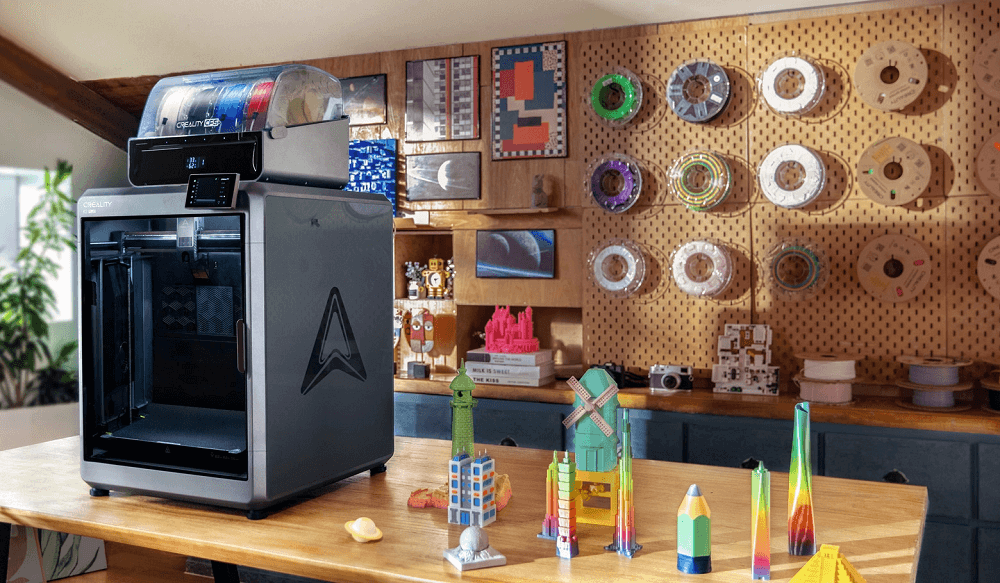
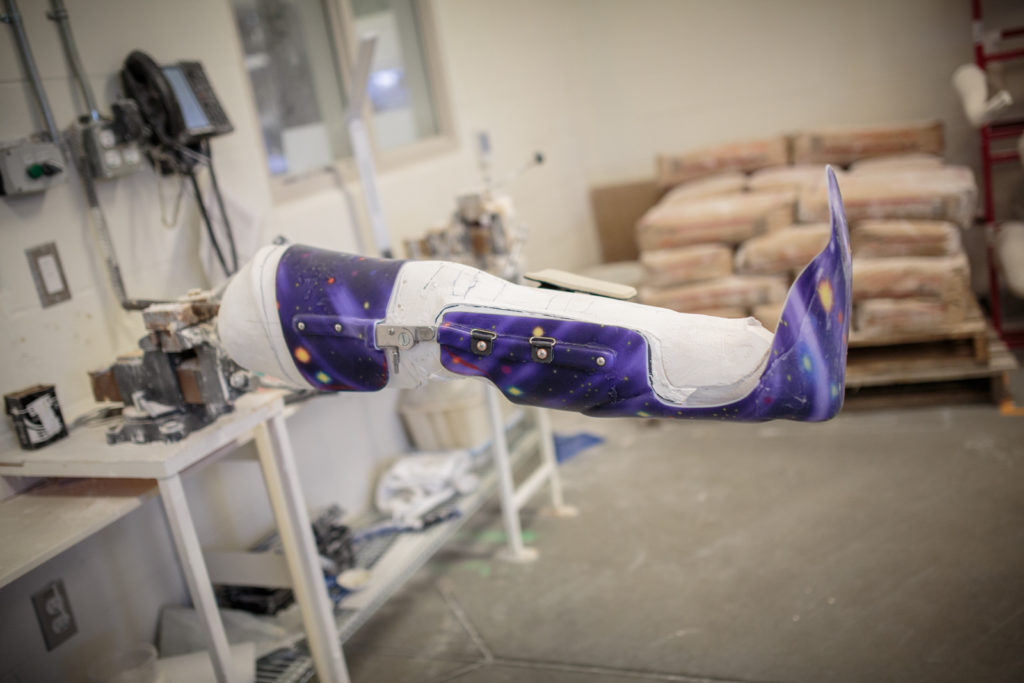
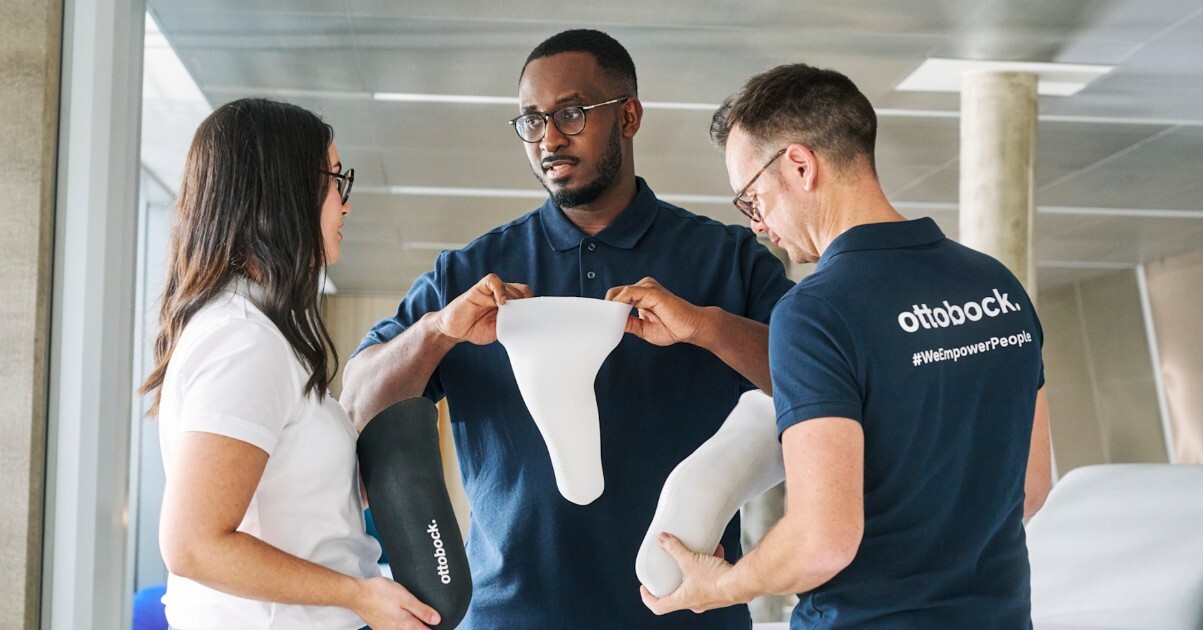
For clinicians and technicians, Somalia is a country where practical skill matters. Manual fabrication, plaster rectification, thermoplastic modification, socket adjustment, gait training, wheelchair fitting and repair skills remain essential. Digital tools may have a role in the future, but they must be introduced carefully and supported by local training, materials and maintenance systems.
Why Somalia Matters for IMEA CPO
Somalia matters because it demonstrates the central role of rehabilitation in humanitarian response, disability inclusion and long-term health-system recovery. Orthotics and prosthetics in Somalia are not only about restoring mobility after injury. They are about helping people return to school, work, family life and community participation.
The country’s needs are large, complex and urgent. Conflict injury, disability, displacement, poverty and limited service access all create demand for practical rehabilitation systems. At the same time, Somalia has existing physical rehabilitation capacity that can be strengthened through training, supply chain support, assistive technology planning and regional cooperation.
For IMEA CPO, Somalia should remain an important country to watch. It is a place where the right combination of appropriate technology, skilled professionals, humanitarian partnership and long-term rehabilitation planning can make a measurable difference to people with disabilities.
- UNFPA – Somalia Population Data
- Somalia National Bureau of Statistics – National Disability Report 2024
- ICRC – Physical Rehabilitation in Somalia
- ICRC – Physical Rehabilitation Programme
- WHO – Rehabilitation
- WHO – Assistive Technology
- UNICEF – Global Report on Assistive Technology
- ISPO – Prosthetics, Orthotics and Assistive Technology