 By
By
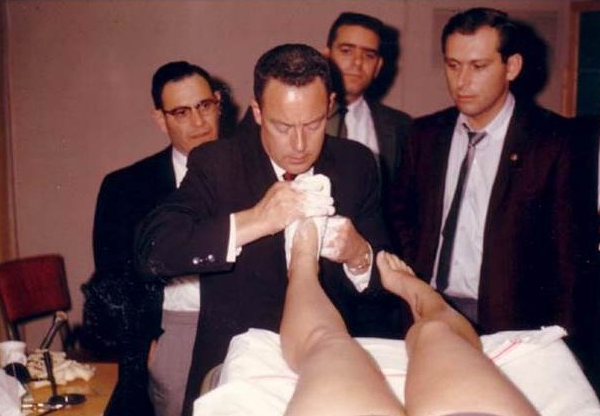
Few individuals have shaped the world of clinical biomechanics as profoundly as Merton L. Root. Widely regarded as the “father of modern functional foot orthotics,” Root transformed podiatry and lower-limb biomechanics from a craft built on observation into a systematic, measurable science. His theories, measurement techniques, and orthotic designs remain foundational in orthotic practice across the world today.
Early Foundations: From Clinical Questions to Biomechanical Theory
In the mid-20th century, foot care was heavily influenced by subjective interpretation. Practitioners relied on visual assessment, rudimentary impressions, or simple arch supports with little biomechanical reasoning. Root, a podiatrist with an engineer’s mindset, believed that clinicians could achieve better outcomes if they had:
-
A standardized vocabulary
-
Measurable reference points on the foot
-
A model explaining how the subtalar and midtarsal joints function
-
Orthoses designed to change mechanics, not just support the arch
His early clinical frustrations inspired him to search for consistent patterns in foot structure and function. He began analyzing feet meticulously, measuring relationships between bones, joints, and gait phases.
Root’s Revolutionary Contribution: The Neutral Position Concept
Root’s breakthrough came when he described the neutral position of the subtalar joint—a reproducible, measurable reference point from which abnormal foot positions could be identified.
He proposed that:
-
Every foot has an "ideal" or normal baseline alignment
-
Deviations from this alignment influence gait
-
These deviations cause compensations in the rearfoot, forefoot, leg, and even spine
-
Correcting the foot toward neutral could improve function and reduce pathology
Root’s neutral position theory created the first structured biomechanical evaluation system, allowing clinicians to diagnose deformities such as:
-
Forefoot varus / valgus
-
Rearfoot varus / valgus
-
Equinus
-
Abnormal pronation / supination patterns
This framework became the cornerstone of modern podiatric biomechanics.
The Birth of Functional Orthotics
Before Root, orthotics were mostly rigid arch supports aimed at cushioning or simple alignment. Root rejected the idea that orthotics should merely support the arch. Instead, he believed orthoses should:
1. Control abnormal joint motion
2. Encourage the foot to function closer to an ideal mechanical position
3. Reduce pathology by changing how forces travel through the lower limb
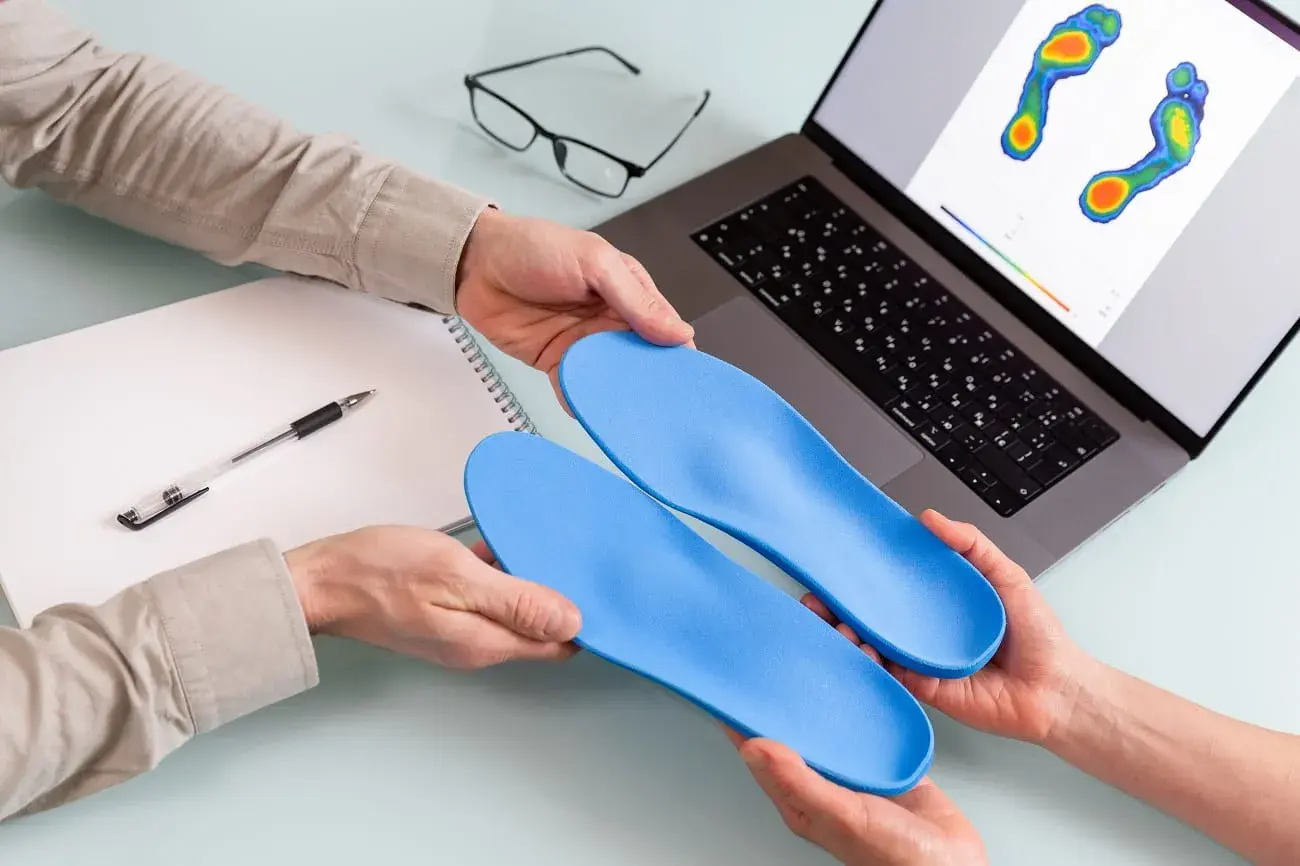
This thinking led him to develop the functional foot orthosis—a device designed not only for comfort, but for biomechanical correction.
Root’s functional orthotic shell was based on:
-
A cast taken with the subtalar joint in neutral
-
Posting (wedging) to correct rearfoot and forefoot deformities
-
Modifications to influence motion during gait
These concepts revolutionized orthotic design globally and remain foundational in today’s clinical practice.
Root Laboratory: Scaling a Biomechanical Revolution
In 1974, alongside John Weed and Bill Orien, Root founded the Root Laboratory, which became a center for:
-
Fabricating functional orthotics
-
Teaching biomechanics
-
Standardizing clinical casting and assessment
-
Increasing global awareness of podiatric biomechanics
Root Laboratory helped operationalize his theories, making functional orthotics accessible to clinicians worldwide. The laboratory’s work cemented Root’s influence across multiple disciplines, including orthotics and prosthetics, physical therapy, sports medicine, and podiatry.
Biomechanics Textbooks that Changed the Profession
Root’s series of landmark publications—including Normal and Abnormal Function of the Foot—systematized foot biomechanics with unprecedented depth.
These texts introduced:
-
The Root Biomechanical Model
-
Classification of foot deformities
-
Joint range norms
-
The concept of compensations in gait
-
Standards for clinical examination
For decades, these books served as the gold standard in podiatry schools and orthotic training centers across the world.
Critiques and Legacy: Root Theory in the Modern Era
Over time, certain aspects of Root’s theory have been challenged or revised:
-
Skeptics argue that the concept of “normal” foot alignment may be overly rigid
-
Research has shown that many feet function efficiently outside Root’s ideal norms
-
Modern orthotic research incorporates tissue stress theory, kinetic modeling, and dynamic gait assessment
Yet, Root’s legacy remains undeniable. His ideas created the foundation on which all modern foot orthotic science evolved. Even contemporary orthotic systems—carbon shells, EVA CAD/CAM devices, 3D-printed orthoses—owe their conceptual structure to Root’s principles of alignment and functional correction.
Why Merton Root Still Matters Today
Root’s influence persists because he introduced a mindset more than a method:
A foot can be measured, understood, and corrected.
Orthotics can treat causes, not just symptoms.
Clinical care improves when biomechanics becomes a science.
Whether a practitioner uses neutral casting, digital scanning, 3D printing, or kinetic pressure systems, Root’s work underpins the logic of modern functional orthotic therapy.
Conclusion
Merton L. Root transformed podiatry and orthotics by turning foot biomechanics into a measurable discipline and by inventing the functional orthotic—a tool designed to restore mechanical efficiency rather than simply pad or support. His theories shaped decades of clinical education and manufacturing and continue to influence how practitioners evaluate gait, understand pathology, and prescribe corrective devices.
In short, Root didn’t just design orthotics—
he designed the modern approach to understanding how the foot works.