 By
By
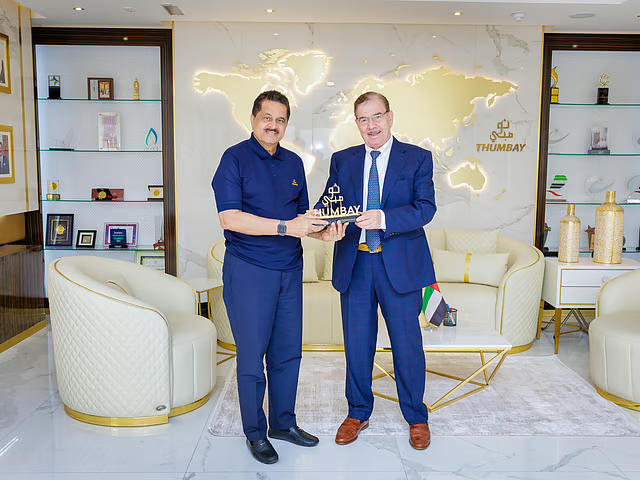
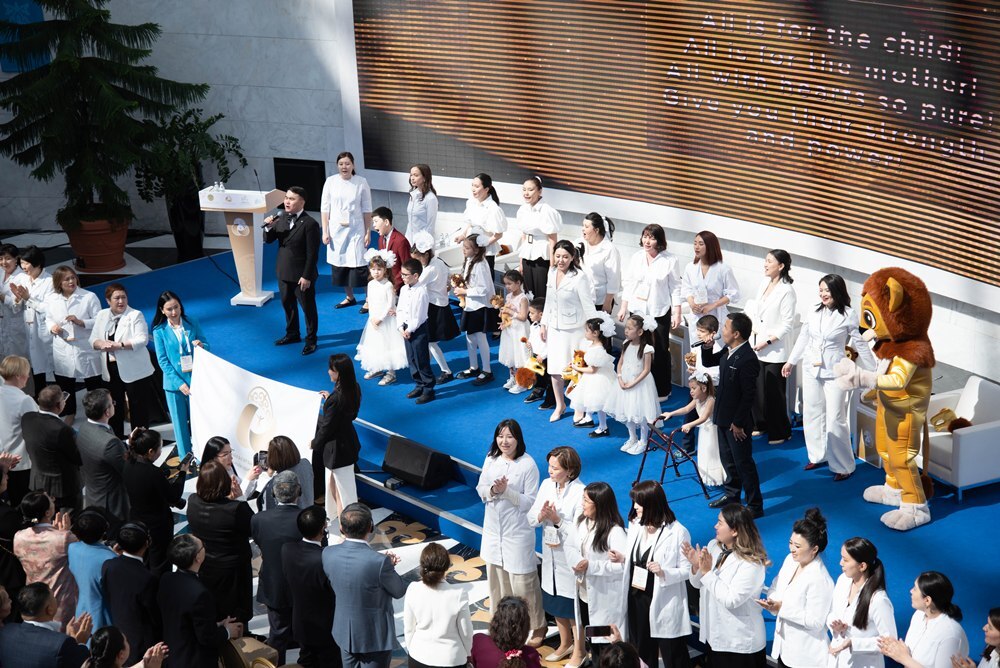
Thumbay University Hospital has officially launched the Thumbay Institute of Neurosciences, a new specialist centre in Ajman focused on the diagnosis, treatment and management of disorders affecting the brain, spine and nervous system. The launch was reported by Gulf News on 16 April 2026 and was also confirmed through Thumbay’s own announcement.
According to the launch coverage, the new institute strengthens Thumbay University Hospital’s position as a specialist academic medical centre and expands its capabilities in neurology, neurosurgery and technology-enabled neuro care. Thumbay’s official description says the institute is designed to provide comprehensive medical and surgical care for neurological conditions, supported by advanced diagnostics, minimally invasive procedures and complex surgical treatment.
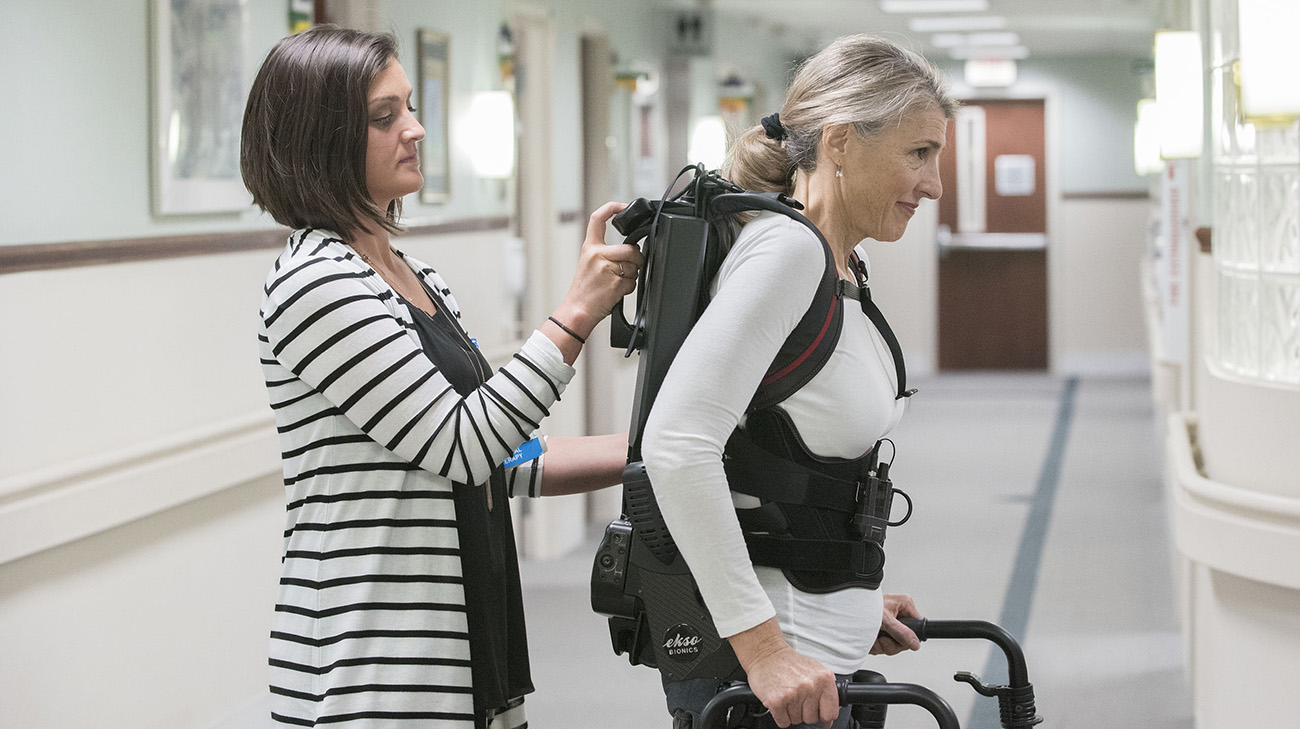
What makes the launch particularly relevant for the wider rehabilitation sector is the institute’s stated integration of advanced neuro-rehabilitation. Thumbay says patients will have access to robotic rehabilitation, Transcranial Magnetic Stimulation (TMS), Hyperbaric Oxygen Therapy, gait and motion analysis, EMG-based functional assessments, and Ekso Bionics exoskeleton-assisted rehabilitation. The hospital says these capabilities are intended to support recovery of mobility, independence and quality of life.
The hospital’s published departmental overview also highlights the use of advanced operating theatres, imaging systems, neuronavigation technology and intraoperative neuro-monitoring, underlining that the institute is being positioned as more than a conventional neurology department. Instead, it appears to be part of a broader strategy to build higher-acuity neurosciences capacity within the Thumbay ecosystem. That final point is an editorial inference based on the hospital’s own description and the language used in the launch coverage.
For rehabilitation stakeholders, the neuro-rehabilitation component may be the most significant part of the announcement. Thumbay University Hospital’s main campus already presents itself as a 350-bed private academic hospital with a 100-bed long-term care and rehabilitation unit, which means the new institute is being added into an existing rehabilitation-oriented service environment rather than built in isolation.
From an IMEA CPO perspective, that matters because neurological care and rehabilitation increasingly overlap with orthotic, prosthetic and assistive technology pathways. Patients recovering from stroke, spinal cord injury, traumatic brain injury and other complex neurological conditions often require coordinated rehabilitation that extends beyond medical treatment into mobility support, gait retraining, bracing, assistive devices and long-term functional recovery. This is an editorial interpretation grounded in the institute’s announced rehabilitation technologies and Thumbay’s neurological rehabilitation service focus.
The launch also reflects a broader regional trend toward more specialised rehabilitation and neurosciences services in Gulf healthcare markets. In the UAE in particular, providers are increasingly investing in centres that combine acute specialist medicine with rehabilitation technologies and multidisciplinary follow-up. This broader trend statement is an editorial inference based on the structure and positioning of the new institute rather than a direct claim from the source article.
For IMEA CPO readers, the key takeaway is not only that another neuroscience centre has opened. It is that neuro-rehabilitation is continuing to move higher up the strategic agenda in regional healthcare, and that creates opportunities for stronger integration between hospital-based specialist services and the wider rehabilitation ecosystem.
- Gulf News – Thumbay University Hospital launches Thumbay Institute of Neurosciences
- Thumbay University Hospital – official launch announcement
- Thumbay University Hospital – Institute of Neurosciences overview
- Thumbay University Hospital – main hospital overview
- Thumbay Rehabilitation – Neurological Rehabilitation