 By
By
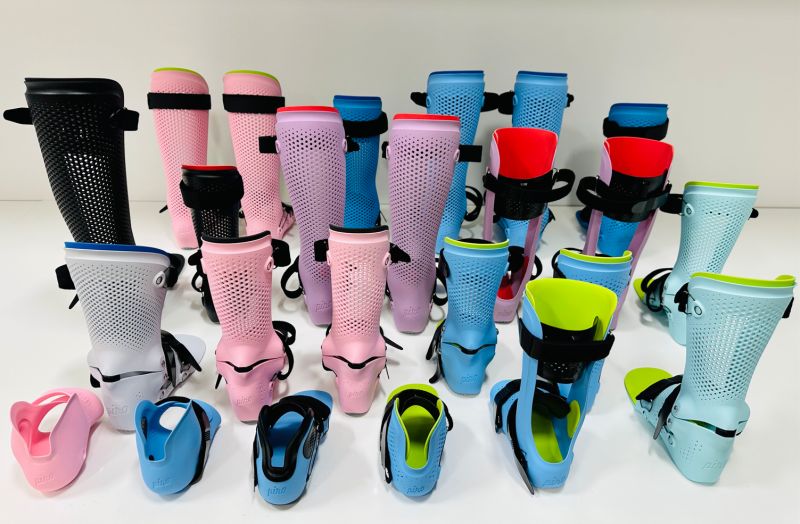
Key 3D Printing Trends in Orthotics & Prosthetics in 2025
As we progress through 2025, 3D printing continues to redefine the orthotics and prosthetics (O&P) landscape — moving firmly beyond novelty and into mainstream clinical adoption. Clinics, manufacturers, and innovators are now embracing digital workflows not just for prototyping, but as core parts of production, design validation, and patient-centric care.
Below are the major trends shaping how 3D printing is transforming O&P this year.
1. Industrial-Level Materials for Clinical Safety and Performance
In 2025, O&P clinics are moving past hobbyist plastics toward industrial-grade materials specifically validated for functional use.
-
Engineering Polymers (PA11/PA12) via SLS and MJF provide predictable mechanical behavior.
-
Flexible elastomers allow dynamic orthotic components that better mimic soft tissue support.
-
Bio-compatible resins for passive elements and liners are gaining clinical acceptance where appropriate.
The focus has shifted from “can we print it?” to “can it meet biomechanical demands safely?” — especially for weight-bearing devices and pediatric applications.
2. AI-Assisted Design & Automation
2025 is seeing a surge in AI and generative design tools tailored for orthotics and prosthetics.
These systems can automatically:
-
suggest optimal thickness and geometry based on gait data
-
adjust trim lines for anatomical nuances
-
generate lightweight lattices where appropriate
-
highlight risk points based on historical clinical outcomes
AI isn’t replacing clinicians — it’s amplifying expertise, reducing repetitive work, and enabling faster iteration while maintaining safety and performance.
3. Standardized Digital Workflows Across Clinics
A major shift this year is the rise of standardized digital workflows that streamline design, approval, and production across multiple sites.
Rather than isolated CAD/print islands, larger clinics and networks are adopting:
-
shared design libraries
-
internal QA dashboards
-
centralized digital repositories
-
consistent naming, versioning, and traceability
This shift enhances quality consistency, regulatory readiness, and scalability — a big leap from the early days of ad-hoc file sharing.
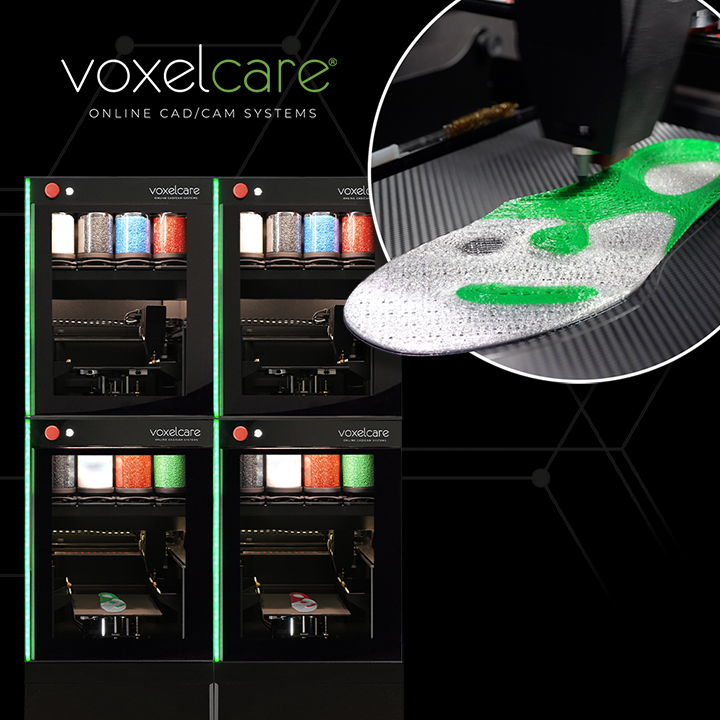
4. High-Throughput Manufacturing Approaches
3D printing is no longer just for one-off or small batches. In 2025, high-throughput approaches are becoming reality:
-
Multi-laser SLS systems that produce dozens of parts per build
-
Continuous belt particle fusion for near-unlimited stacking
-
On-demand manufacturing reducing inventory and turnaround times
For high-volume orthotic clinics, these systems are driving cost predictability and faster delivery without sacrificing quality.
5. Advanced Lattice Structures for Functionality, Not Just Weight Savings
Complex lattice designs are evolving beyond lightness into functionally graded structures:
-
stiffness gradients for controlled flex
-
impact-absorbing architectures
-
ventilation channels for comfort and skin health
Rather than decorative features, lattices are now integrated design solutions informed by biomechanics, material science, and real-world performance data.
6. Integrated Scanning + Biomechanical Feedback
2025 sees more clinics using scanning systems linked to biomechanical analysis:
-
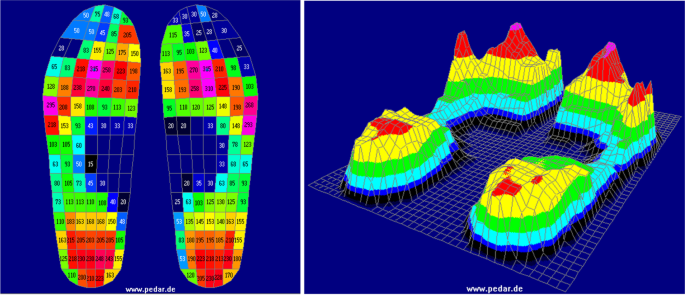
3D scanners capturing skin surface + pressure maps
-
force plates and motion capture directly feeding into design adjustments
-
predictive models estimating performance before fabrication
This blend of digital input means devices are more closely aligned with real patient function — not just anatomy.
7. Sustainable Practices & Material Recycling
As environmental concerns grow, the O&P industry is embracing:
-
Recyclable powder reuse protocols (with safety validation)
-
reclaimable support materials
-
lifecycle tracking for devices
Sustainability is no longer optional — clinics and manufacturers are expected to demonstrate responsible use of resources as part of quality and ethical commitments.
8. Cloud-Powered Collaboration and Tele-Design Services
Remote design collaboration is no longer a fringe service. By 2025:
-
clinics can request expert designs via cloud platforms
-
files are shared with built-in audit trails
-
feedback loops between prosthetists and designers happen in real time
This enables smaller clinics, regional hospitals, and underserved communities to access expert design support without physical proximity.
9. Emphasis on Pediatric-Appropriate Solutions
Children are not “small adults,” and 2025 marks a strong push toward pediatric-specific workflows:
-
growth-accommodating joint designs
-
rapid prototyping for frequent adjustments
-
materials tuned for safety and comfort
Pediatric devices are no longer afterthoughts — they are now tailored within digital ecosystems.
10. Regulatory and Quality Maturity
Perhaps most importantly, 2025 is the year regulatory alignment catches up with innovation.
Clinics are implementing:
-
versioned digital records
-
device change history logs
-
materials traceability
-
performance data tracking
These build confidence not just for internal quality management, but for external audit and compliance readiness.
Looking Forward: From Tools to Systems
In 2025, 3D printing in orthotics and prosthetics is no longer about just having a printer. It’s about integrated systems that combine design intelligence, materials science, workflow consistency, and clinical outcomes.
The trend is unmistakable:
digital manufacturing is becoming the backbone of modern, quality-driven O&P care.






.jpeg)

-1.png "Gaza Fund (1)-1")