 By
By
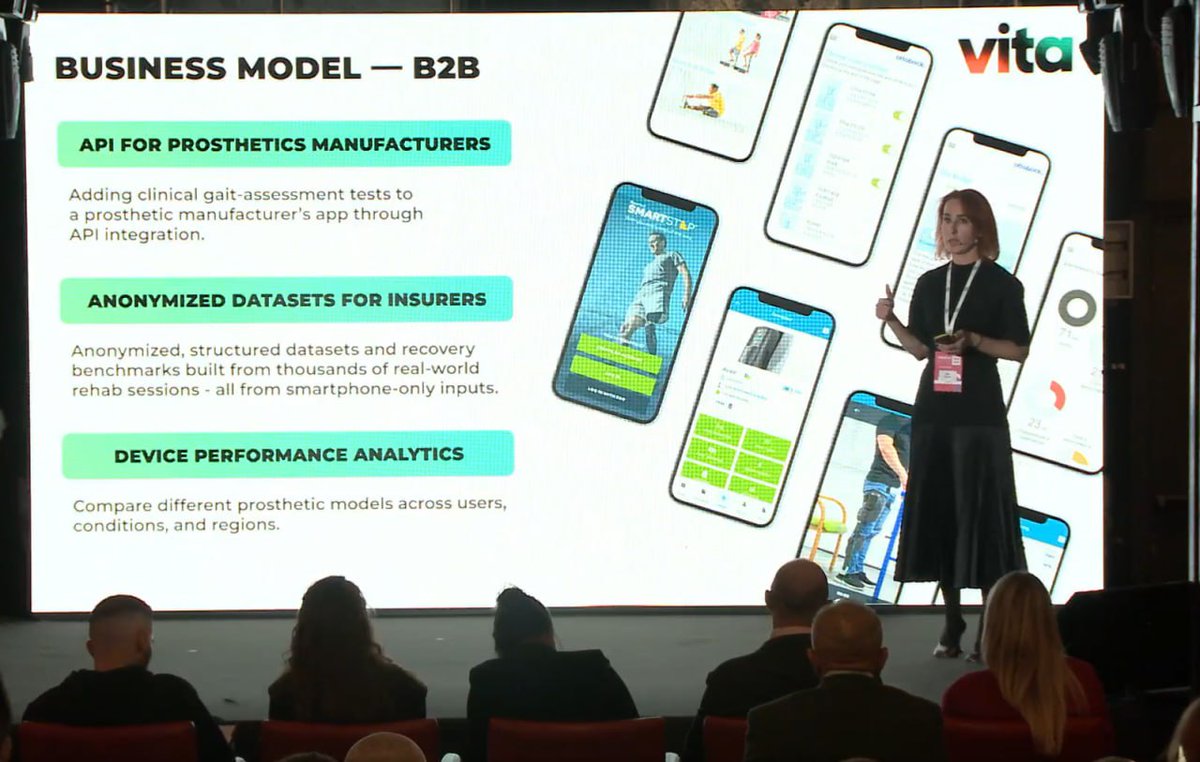
A Ukrainian health technology startup is developing a new approach to rehabilitation by transforming a standard smartphone into a clinical gait analysis and recovery monitoring tool for people with limb loss. The system, created by Odesa-based startup VITA325, uses artificial intelligence and the built-in sensors of an iPhone to analyse walking patterns and support rehabilitation without the need for expensive laboratory equipment.
The concept behind the technology is simple but powerful. Instead of relying on specialist motion labs or wearable hardware, the application uses the phone’s camera and motion sensors to record how a patient walks, then applies AI algorithms to evaluate gait symmetry, weight bearing, and movement quality. This allows clinicians to monitor recovery remotely while patients continue rehabilitation at home or in local clinics.
Developers say the goal is to make modern rehabilitation tools more accessible, especially in countries where advanced motion analysis systems are unavailable or too expensive. By using a device that most people already own, the platform could help reduce costs while increasing the frequency of monitoring during recovery.
The system is currently being tested in pilot programmes, including trials in Poland, where clinicians are evaluating how accurately the app can track progress after injury or amputation. Early results suggest that smartphone-based analysis may provide enough data to support clinical decision making in many rehabilitation scenarios.
The development reflects a wider trend in rehabilitation technology, where digital health tools are increasingly used to extend care beyond the clinic. Smartphone-based monitoring, remote therapy platforms, and AI-driven assessment systems are being explored worldwide as a way to improve outcomes while reducing the cost and complexity of treatment. Similar approaches have already shown promise in gait analysis, remote therapy monitoring, and long-term rehabilitation support.
The need for such innovation is particularly urgent in Ukraine, where the number of people requiring prosthetic and rehabilitation services has risen sharply in recent years due to war-related injuries. Thousands of patients require long-term follow-up, creating pressure on clinics and rehabilitation centres to find new ways of delivering care efficiently.
For professionals in orthotics, prosthetics, and rehabilitation, tools like this could change how outcomes are measured and how patients are followed after fitting. Instead of relying only on periodic clinic visits, clinicians may soon be able to track gait, alignment, and function continuously using devices already in the patient’s pocket.
If successful, smartphone-based rehabilitation systems could make advanced monitoring available not only in specialist centres, but also in regional clinics, humanitarian programmes, and low-resource settings — helping more amputees regain mobility with better data, better feedback, and more consistent care.