 By
By
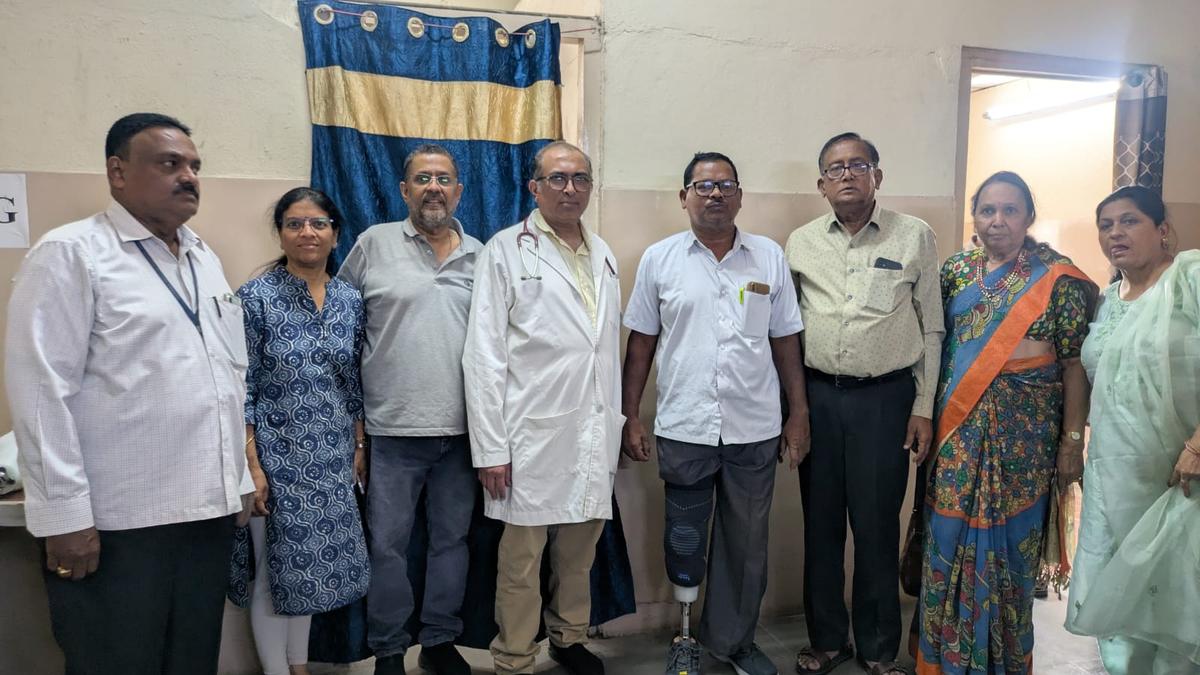
Osmania General Hospital in Hyderabad has introduced a new service providing free 3D-printed artificial limbs for patients who have undergone amputations due to trauma or complications related to diabetes. The initiative aims to improve access to prosthetic care for low-income patients while using modern digital manufacturing to deliver lighter, better-fitting devices.
The facility operates as part of the hospital’s existing foot care and rehabilitation services and is supported by the departments of endocrinology, general surgery, and orthopaedics. Doctors involved in the programme say the goal is to ensure that patients who lose a limb can return to walking and daily activities as quickly as possible, without the financial burden that often prevents access to prosthetic treatment.
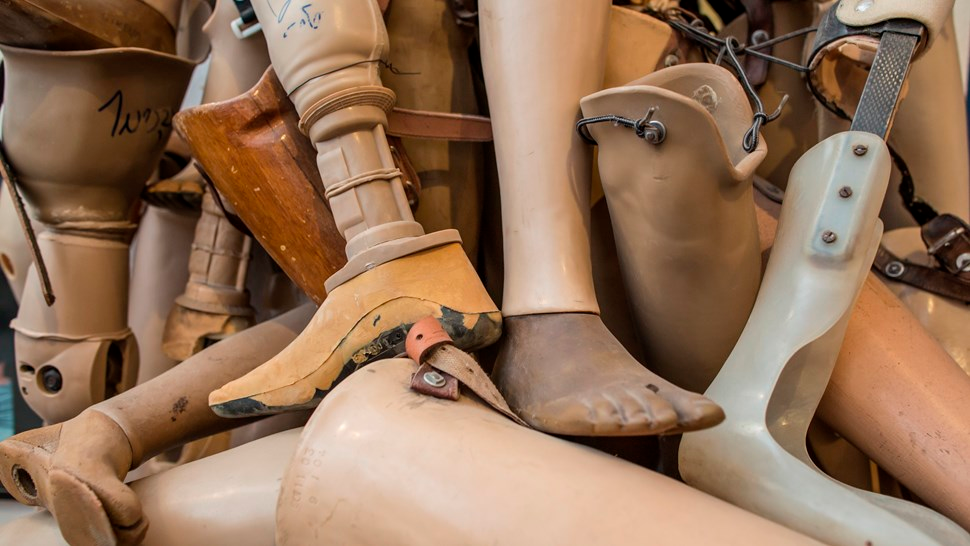
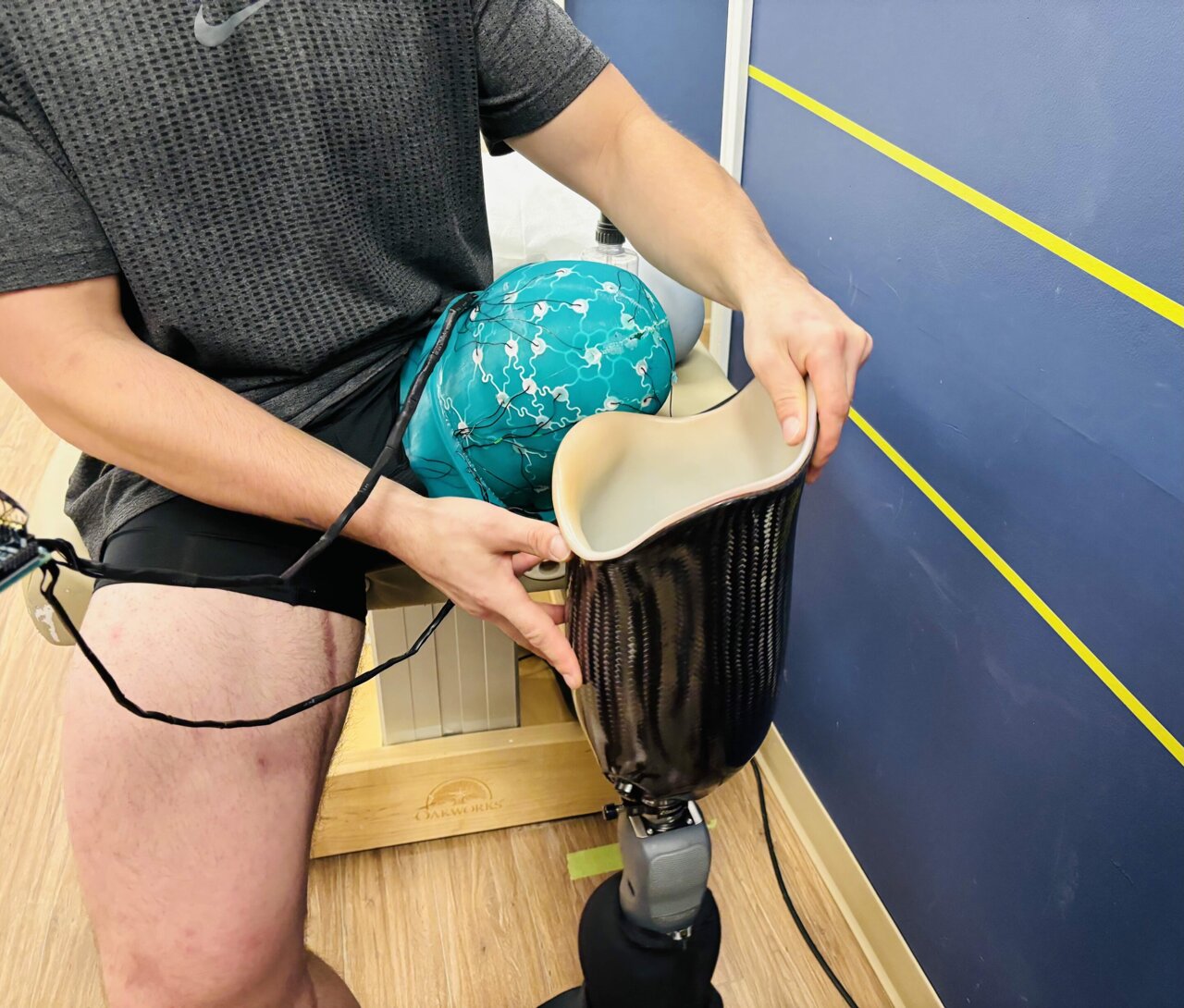
The artificial limbs are produced using 3D printing technology, allowing each device to be made according to the exact measurements of the patient. According to hospital officials, the use of lightweight materials and digital design improves comfort and reduces pressure problems, helping patients adapt more easily during rehabilitation. Each prosthesis is estimated to cost around ₹25,000, but is being supplied free of charge to eligible patients through support from the Rogi Sahayata Trust.
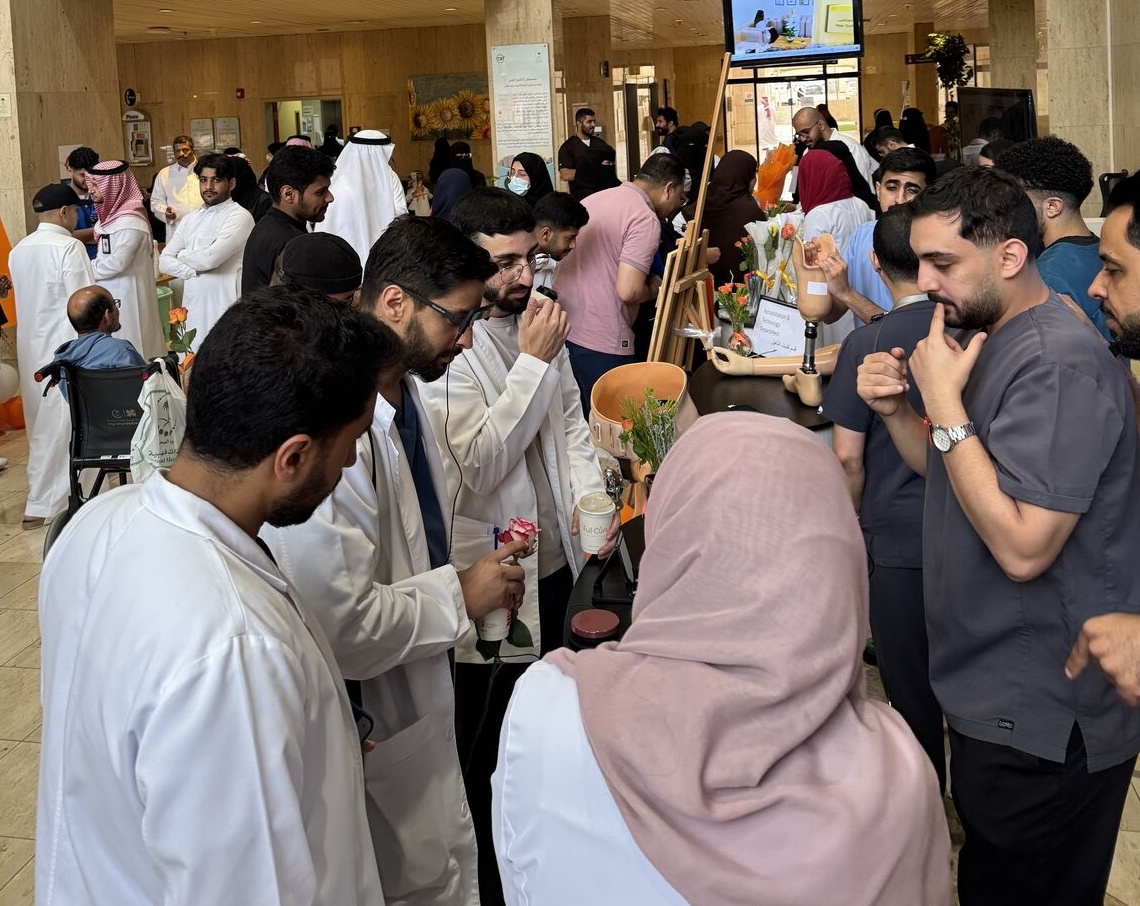
During the launch of the service, several amputees were fitted with new prosthetic limbs, including patients who had lost one or both lower limbs. After medical assessment, patients are referred to the prosthetic service where measurements are taken and the devices are manufactured before fitting and rehabilitation.
The introduction of 3D-printed prosthetics reflects a wider trend across India, where hospitals and rehabilitation centres are increasingly using digital technologies to reduce cost and improve access to mobility devices. Compared with traditional fabrication methods, additive manufacturing can allow faster production and easier customization, making it particularly useful in public hospitals serving large numbers of patients.
For professionals in orthotics, prosthetics, and rehabilitation, initiatives such as the Osmania programme highlight the growing role of low-cost digital manufacturing in limb loss care. As diabetes, trauma, and vascular disease continue to increase across South Asia, affordable prosthetic services linked to hospital-based diabetic foot and surgical units are likely to become an essential part of preventing long-term disability.