 By
By
A recent visit by Bridging Afrika to partners in eastern Democratic Republic of the Congo has highlighted the scale and importance of locally led rehabilitation, disability inclusion, and frontline health services in one of the region’s most difficult operating environments.
During the visit, the Bridging Afrika team travelled to Goma and Bukavu, meeting organisations working across war surgery, prosthetic support, disability inclusion, education, and community-based empowerment. The trip offered a direct look at the resilience of local institutions responding to conflict, displacement, and disability in North and South Kivu.
In Goma, the team visited Bethesda Hospital, a facility providing life-saving war surgery and treating casualties linked to the ongoing violence in North Kivu, with support from the International Committee of the Red Cross (ICRC). The hospital remains an important part of the emergency medical response for people affected by conflict-related injury.
The visit also included Virunga Hospital, where Bridging Afrika saw the continuing impact of the Baptist Church of Central Africa (CBCA). According to the organisation’s account of the trip, CBCA’s long-term work in the region continues to support communities through healthcare, education, and wider empowerment programmes.
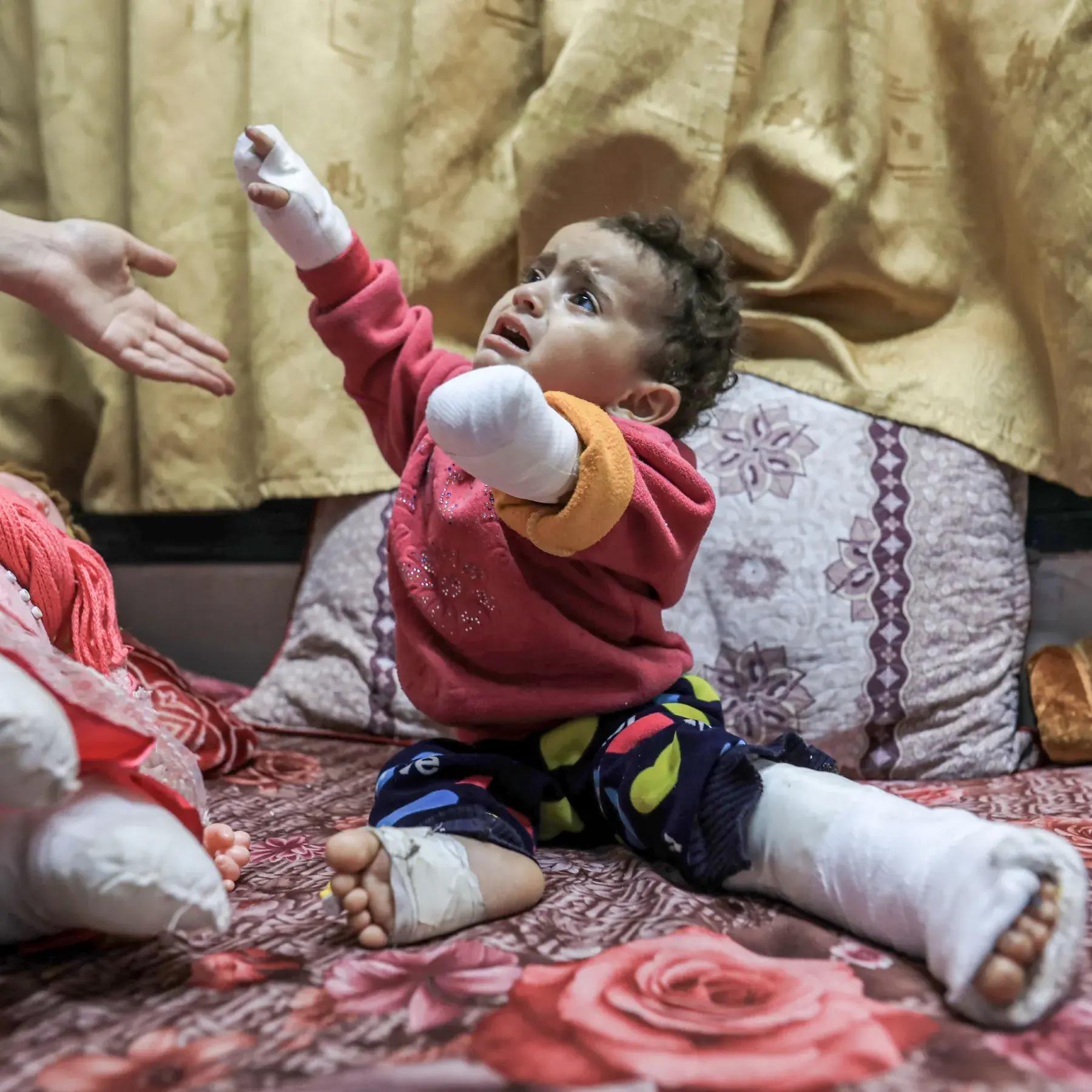
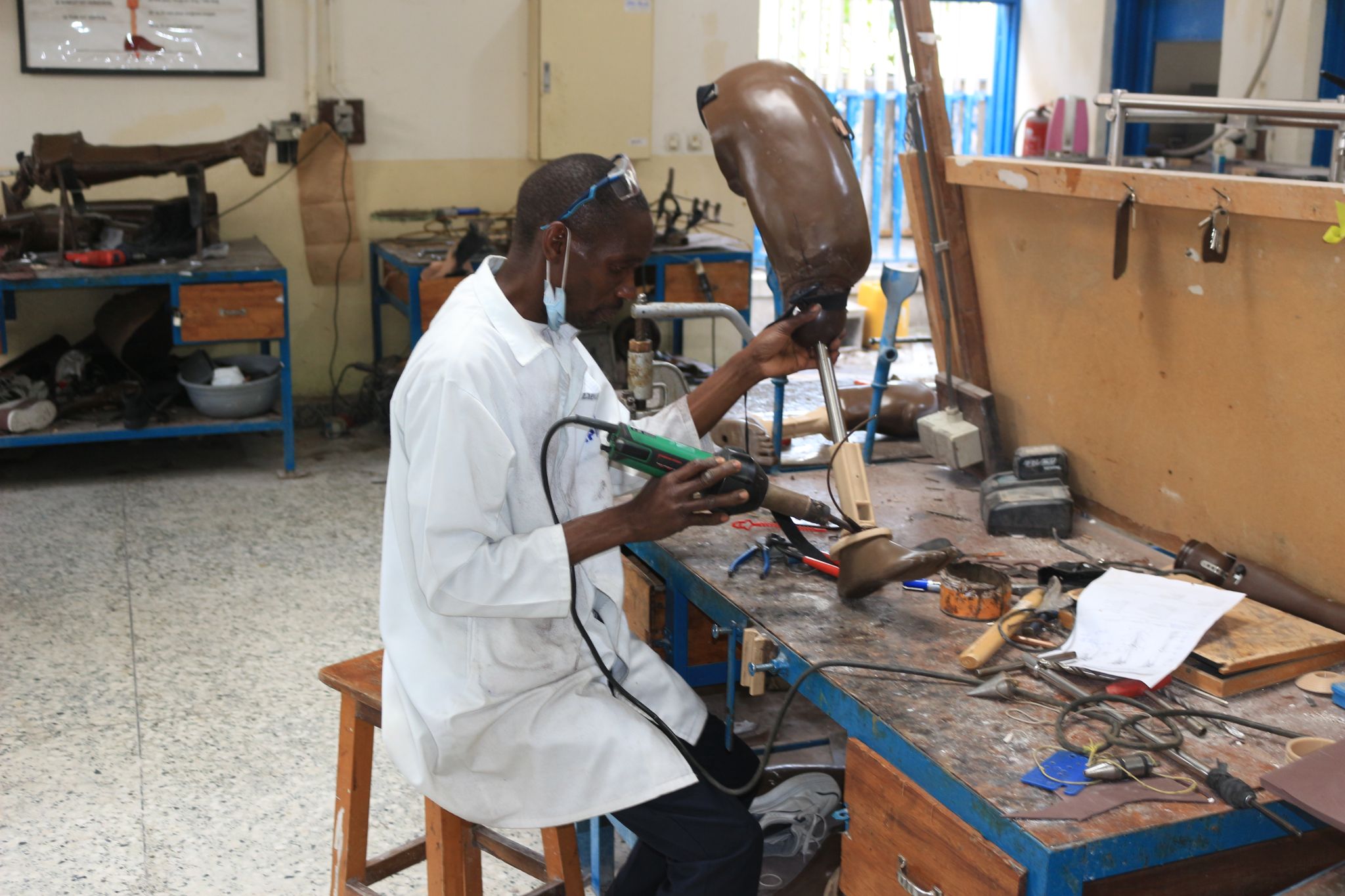
A particularly important stop was Shirika la Umoja, a centre for persons with disabilities that is working to advance disability inclusion across health, education, and employment. For rehabilitation and O&P audiences, one of the most meaningful elements of the visit was the fitting of silicone liners produced by Operation Namaste for amputees who had already received ICRC prostheses. The liner fittings were described as helping improve comfort, mobility, and overall quality of life for users.
In Bukavu, Bridging Afrika also toured CBCA-supported health centres serving the wider community, including displaced people from Uvira. The visit underlined how health and rehabilitation needs in eastern DRC extend beyond hospital-based trauma response and into longer-term community support for people affected by conflict and displacement.
Another key visit was to Heri Kwetu, a Catholic-led centre for persons with disabilities working in healthcare, education, and skills development. Bridging Afrika noted the centre’s role in empowering people through creative and vocational activities, including art, while also providing an opportunity to fit additional silicone liners for prosthetic users.
For IMEA CPO readers, the wider significance of the visit lies in the way it connects several essential themes at once: emergency injury care, prosthetic follow-up, disability inclusion, community partnerships, and the importance of practical interventions that improve daily comfort and function for users. In settings affected by conflict, the value of prosthetic provision does not end with the device itself. Comfort, fit, follow-up, and local support systems are equally important in determining whether a person can actually regain mobility and independence.
The visit also reinforces the value of partnership-led models in rehabilitation. Across eastern DRC, organisations such as CBCA, Shirika la Umoja, and Heri Kwetu are doing the difficult long-term work of restoring dignity and building inclusion in contexts where health systems and communities are under intense pressure.
Bridging Afrika said the trip reaffirmed the importance of partnership, resilience, and locally driven solutions in some of the world’s most challenging settings, and highlighted its commitment to strengthening what it described as ongoing “CollaborAction” with local partners.