 By
By
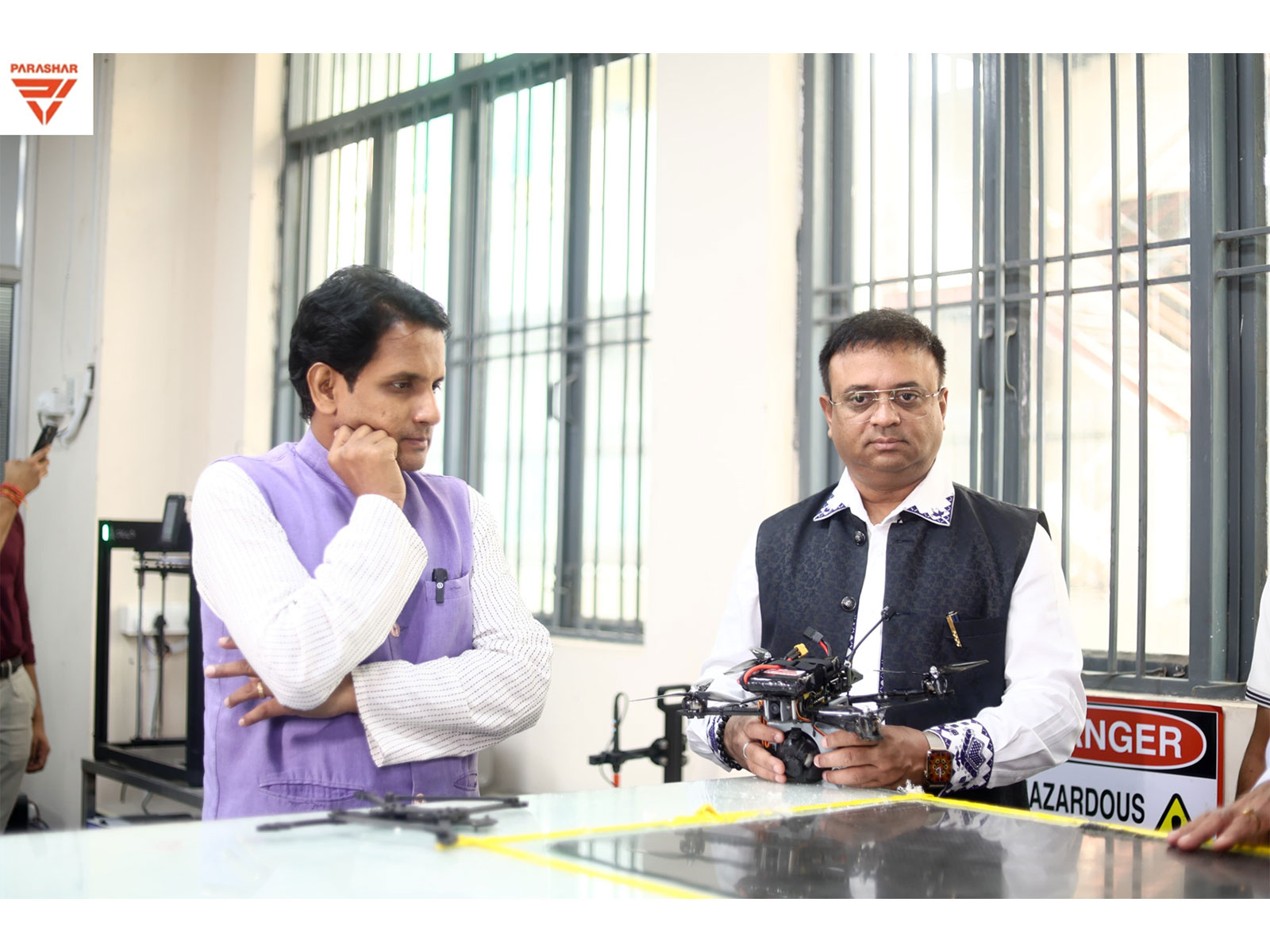
A new opinion article in Express Healthcare is calling for India to rethink how it defines health success, arguing that survival alone is not enough if people are left without the mobility, independence, and dignity needed to participate fully in daily life. Published on April 7, 2026, the piece by Tuhin A. Sinha and Nagender Parashar says mobility should no longer be treated as a secondary issue, but as a core public health priority.
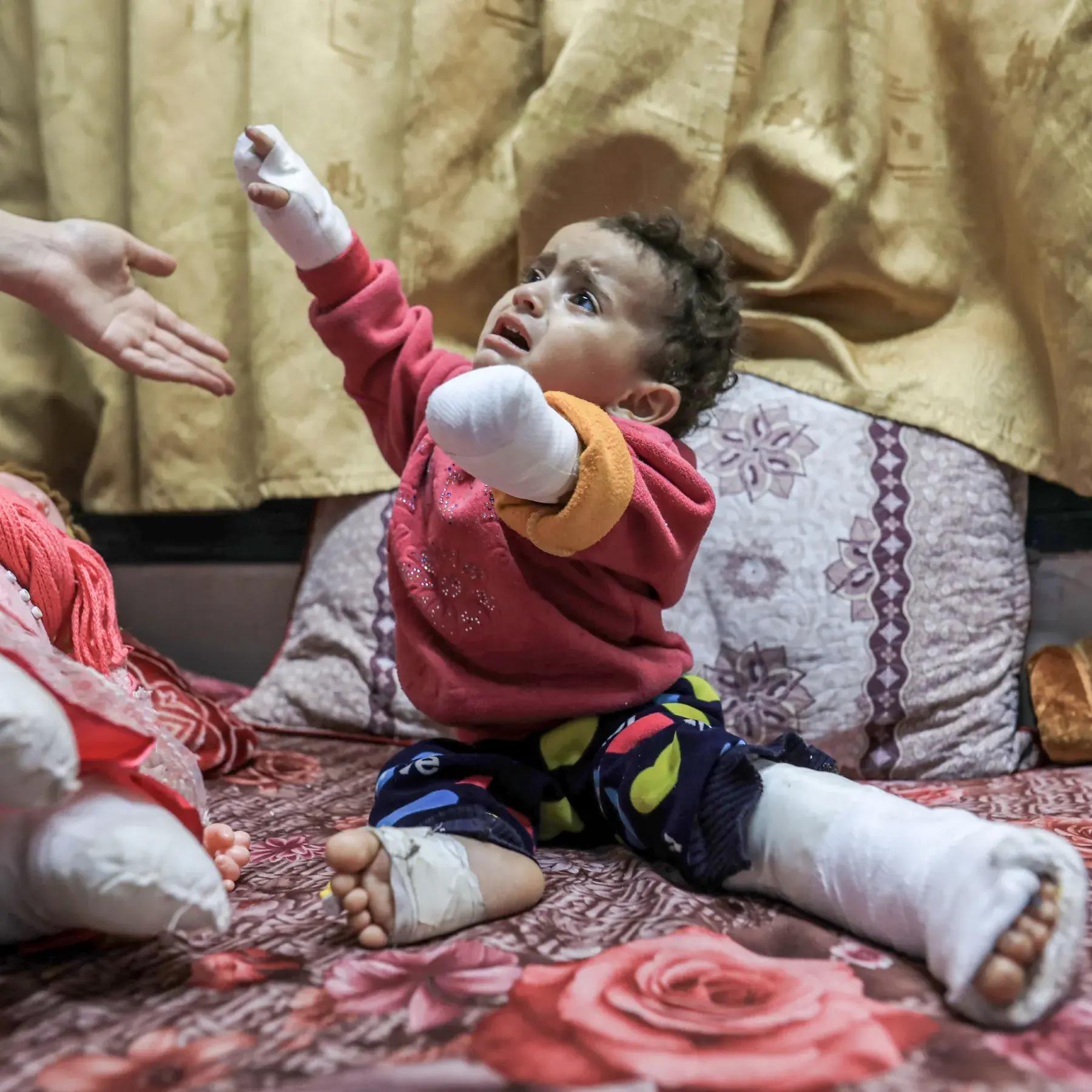
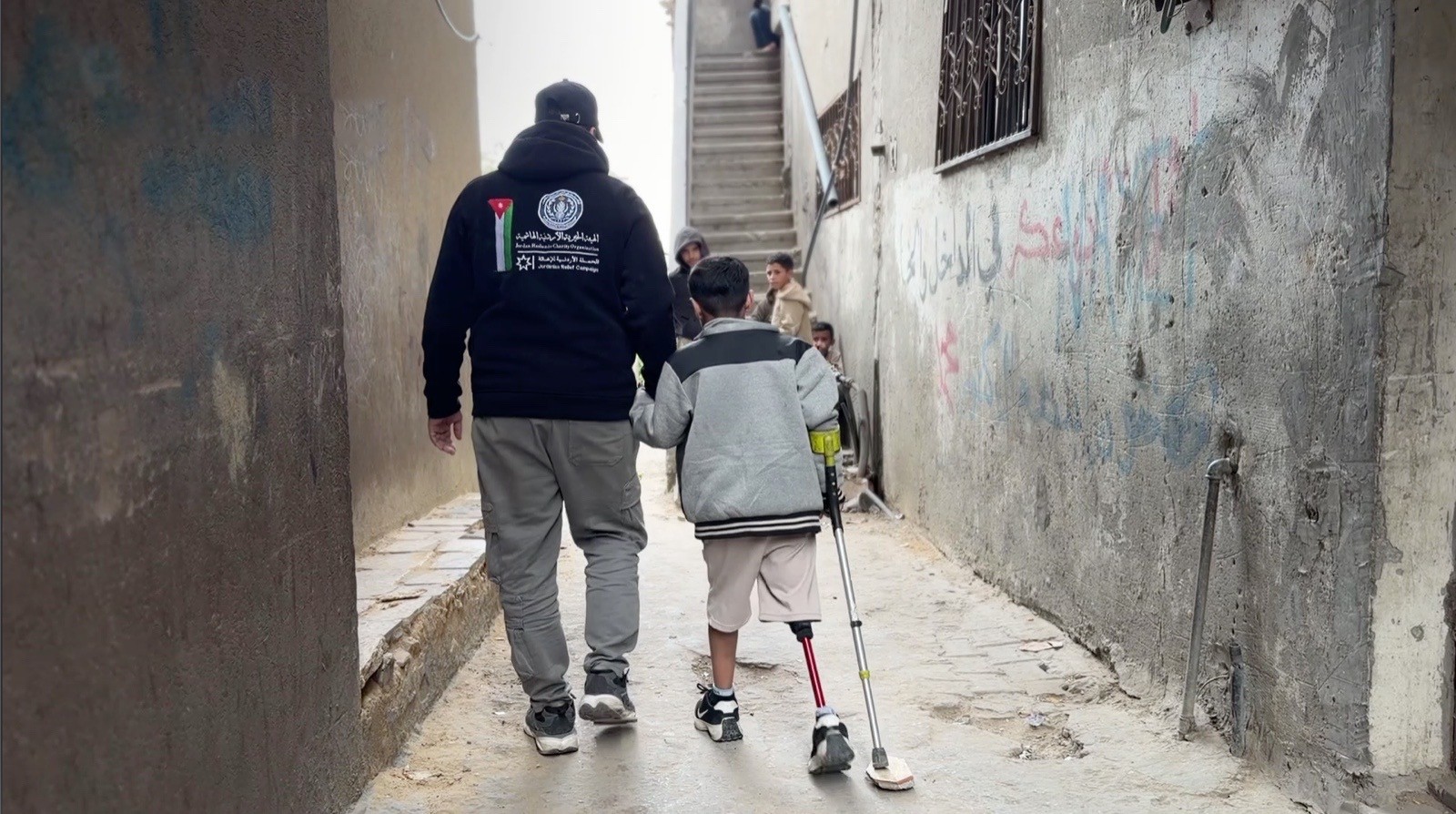
That argument matters because mobility is often the missing link between medical treatment and real recovery. Health systems tend to measure success through diagnosis, surgery, discharge, and survival. But for millions of people living with disability, injury, limb loss, age-related decline, or chronic illness, the more important question is what happens next: can they stand, walk, work, travel, study, and live independently? That framing is an inference from the article’s stated focus on moving “beyond survival” and toward dignity.
For IMEA CPO readers, this is where the article becomes especially relevant. Mobility is not just about transportation or general fitness. It sits at the heart of rehabilitation, assistive technology, orthotics, prosthetics, wheelchair provision, post-operative recovery, and community reintegration. When mobility is weakly integrated into public health thinking, these areas risk being treated as optional add-ons rather than essential parts of care. This is an inference, but it follows directly from the article’s central claim that mobility is a neglected health priority.
The broader policy significance is that the article appears as part of World Health Day 2026 coverage in Express Healthcare, which places the mobility argument inside a larger debate about prevention, care quality, and health-system priorities in India. That timing matters. It suggests the issue is being positioned not as a niche rehabilitation concern, but as part of a wider conversation about what a more mature and inclusive health system should look like.
For India, that conversation is overdue. As the country deals with ageing, chronic disease, injury, disability, and longer survival after acute health events, the burden of reduced function is likely to become more visible. A system that keeps people alive but does not restore or support mobility leaves a major part of the recovery journey unfinished. That conclusion is an inference, but it is consistent with the article’s argument that dignity and function deserve greater policy attention.
In practical terms, making mobility a public health priority would mean treating rehabilitation and assistive support as foundational services rather than downstream extras. It would also mean stronger recognition of the role played by physiotherapy, occupational therapy, prosthetics, orthotics, mobility devices, accessible environments, and follow-up care in determining whether patients can return to meaningful participation in everyday life. This is an inference based on the article’s emphasis on mobility and dignity, not a direct quote from the authors.
For the O&P sector, the article’s strongest message is that mobility should be understood as an outcome with economic, social, and human value, not just a clinical afterthought. In countries like India, where the scale of need is large and health priorities are intensely contested, that shift in framing could have important implications for how rehabilitation, assistive technology, and limb-loss care are funded and integrated into mainstream health planning. That is an inference, but it is a fair extension of the article’s public-health argument.
Why this matters
The central takeaway is simple: survival is not the same as recovery. By arguing that mobility deserves a more prominent place in India’s public-health agenda, the Express Healthcare article pushes attention toward function, independence, and dignity, all of which are deeply relevant to rehabilitation and O&P. For IMEA CPO readers, that makes it an important argument to watch.