 By
By
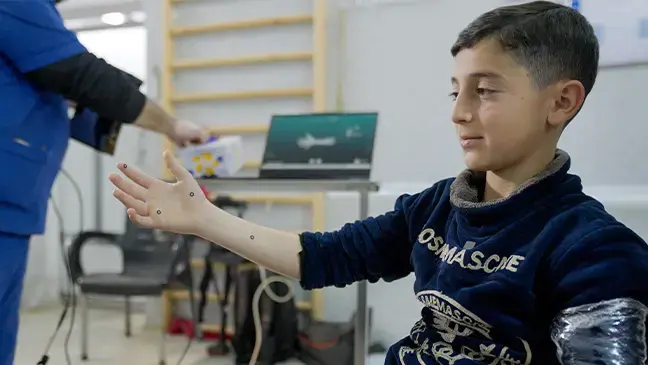
Communities in northern Syria continue to face the long shadow of war, with unexploded devices still causing devastating injuries long after front lines have shifted. According to the text, Syria is now described as the second most dangerous country in the world for accidents linked to unexploded devices, underlining the continuing risk faced by children and families in affected areas.
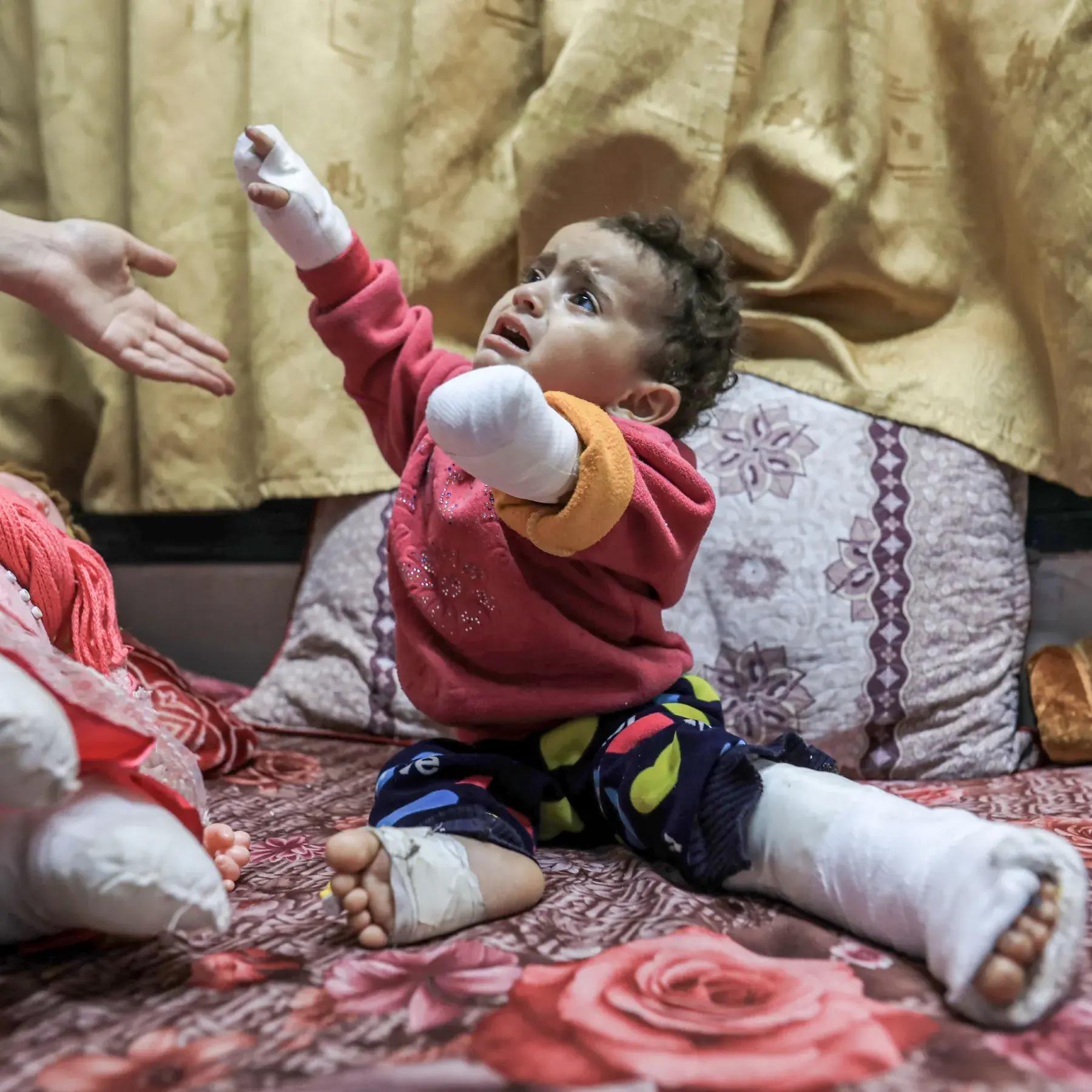
One of those children is 11-year-old Mohammad, who was playing near his home in Termanin when he found what appeared to be a bullet on the ground. Believing it was harmless, he picked it up out of curiosity. It exploded in his hands.
Mohammad says the blast left him with the loss of his hand, injuries near his eye, and wounds in different parts of his body. He recalls closing his eyes at the moment of the explosion and waking later in the operating room.
In the weeks that followed, everyday life became much harder. Basic activities such as eating, changing clothes, and playing with friends were suddenly difficult. While his family supported him through the early stages of recovery, adapting after such a traumatic injury was a slow and difficult process.
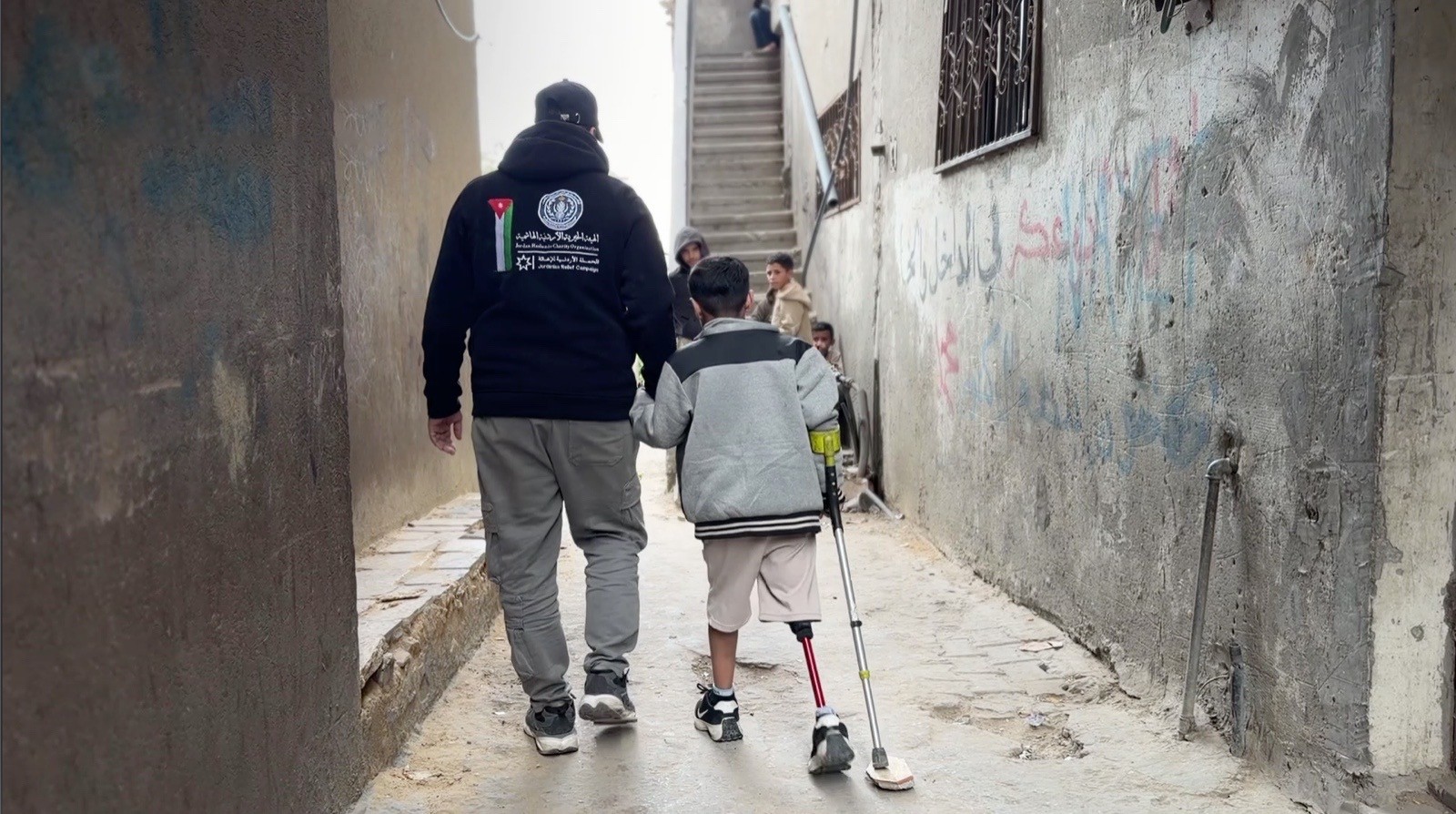
Islamic Relief says Mohammad was later fitted with a cosmetic prosthetic arm through its Prosthetics Centre in Syria, which provides services for people who have lost limbs as a result of the conflict. According to Mohammad, the prosthesis is helping him regain confidence and perform some of his daily tasks as he continues to adapt to using it regularly.
He says the support has made him feel happier and has helped him believe he is moving closer to a more normal life.
For IMEA CPO readers, the broader significance of this story lies not only in the prosthetic fitting itself, but in the wider rehabilitation model around it. Islamic Relief says its centre provides more than prosthetic devices alone. It also delivers physical therapy to strengthen muscles and joints, improve mobility, and help patients adjust to limb loss, alongside psychological support through counselling and group sessions.
That integrated approach matters in conflict-affected settings. Limb loss is never only a surgical or technical issue. Survivors often need physical rehabilitation, emotional support, family adaptation, and long-term follow-up in order to rebuild daily function and quality of life. In children especially, the impact of injury can shape education, play, confidence, and social participation for years to come.
Mohammad’s story is therefore a reminder that the humanitarian burden of unexploded devices does not end with the emergency response. It continues in the form of long-term prosthetic care, therapy, and psychosocial support for people trying to rebuild their lives after devastating injuries.
In northern Syria, where unexploded hazards remain a daily threat, services like these continue to play an essential role in restoring function, dignity, and hope.