 By
By
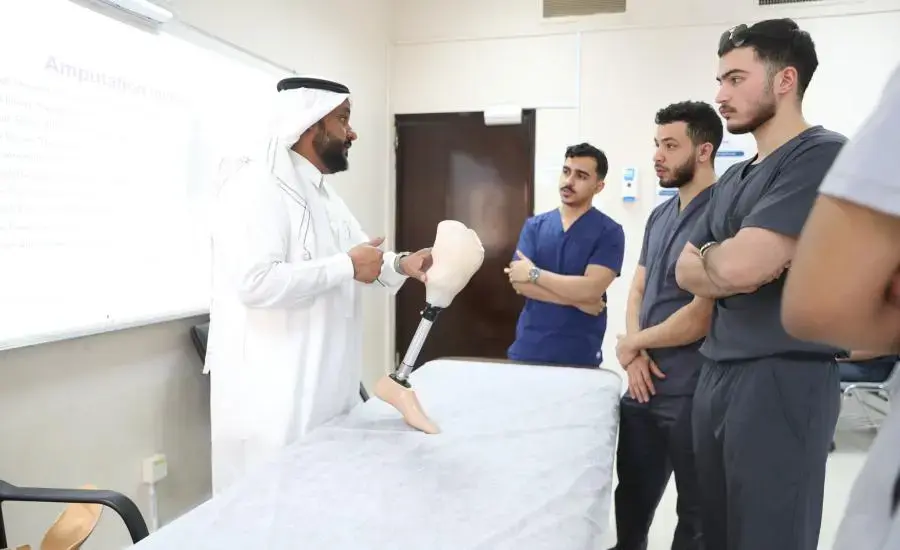
The Saudi Arabia is one of the fastest-growing markets for orthotics and prosthetics (O&P) in the Middle East, supported by major healthcare investment, expanding insurance coverage, and strong government commitment to rehabilitation services under Vision 2030. Demand for O&P services is increasing due to diabetes, cardiovascular disease, trauma, congenital conditions, and an aging population, alongside improved survival rates following injury and illness.
Saudi Arabia is also one of the few countries in the region where the O&P sector is evolving simultaneously across clinical services, reimbursement frameworks, education, and local manufacturing ambitions.
Prevalence & Demand Drivers
Diabetes
Saudi Arabia has one of the highest diabetes rates globally.
Implications for O&P:
✔ Diabetic foot complications
✔ High risk of lower-limb amputation
✔ Demand for custom footwear & orthoses
✔ Prosthetic rehabilitation after vascular limb loss
Diabetes-related mobility impairment remains one of the largest drivers of prosthetic demand.
Stroke & Cardiovascular Disease
Stroke is a major cause of disability, creating ongoing need for:
• AFOs / KAFOs
• Upper-limb orthoses
• Neurorehabilitation support
• Long-term mobility aids
Rehabilitation demand is increasing as survival rates improve.
Trauma & Injury
Saudi Arabia continues to see significant rehabilitation demand due to:
✔ Road traffic accidents
✔ Occupational injuries
✔ Sports injuries
✔ Military / security cases
This drives need for both prosthetic and orthotic services.
Pediatric & Congenital Conditions
Growing focus on early intervention for:
• Cerebral palsy
• Developmental disorders
• Congenital limb difference
• Neuromuscular disease
Pediatric orthotics is a priority area in tertiary hospitals.
Saudi Arabia O&P System Snapshot
Saudi Arabia operates a mixed public-private healthcare model with strong government involvement.
Government Healthcare System
Major prosthetic and orthotic services are delivered through:
• Ministry of Health hospitals
• Military hospitals
• University hospitals
• Specialist rehabilitation centres
Private Sector Growth
Vision 2030 encourages private investment in:
✔ Rehabilitation hospitals
✔ Prosthetic & orthotic clinics
✔ Long-term care facilities
✔ Assistive technology services
Privatisation is expected to increase demand for modern O&P solutions.
Specialist Rehabilitation Centres
Important institutions include:
• King Faisal Specialist Hospital
• King Fahad Medical City
• King Abdulaziz Medical City
• Prince Sultan Military Medical City
These centres manage complex prosthetic, orthotic, and neurological rehabilitation cases.
Top Orthotic & Prosthetic Service Providers
1️⃣ Ottobock Saudi Arabia
Ottobock
A major provider in the Kingdom offering:
✔ Advanced prosthetic limbs
✔ Microprocessor knees
✔ Custom orthoses
✔ Clinical gait analysis
2️⃣ Government Rehabilitation Departments
Public hospitals provide:
✔ Prosthetic fitting
✔ Orthotic fabrication
✔ Pediatric bracing
✔ Neurorehabilitation support
3️⃣ Military & Security Medical Services
Military hospitals deliver high-level prosthetic care for:
✔ Trauma cases
✔ Amputees
✔ Complex rehabilitation
4️⃣ Private Prosthetic & Orthotic Clinics
Private providers are increasing, particularly in:
• Riyadh
• Jeddah
• Dammam
• Eastern Province
Services include:
✔ Custom orthoses
✔ Prosthetic fitting
✔ Pediatric bracing
✔ Diabetic footwear
5️⃣ Rehabilitation Hospital Groups
Private hospital networks increasingly integrate O&P within:
• Physical medicine
• Orthopaedics
• Neurology
• Long-term care
Education & Training Initiatives
Saudi Arabia is investing in local workforce development to reduce reliance on imported expertise.
University Programmes
Examples include:
• King Saud University – rehabilitation and allied health programmes
• Majmaah University – prosthetics & orthotics education initiatives
• Prince Sultan Military College of Health Sciences
Taibah University
Training priorities:
✔ Prosthetics & orthotics
✔ Rehabilitation sciences
✔ Biomedical engineering
✔ Assistive technology
Professional Development
Saudi Arabia increasingly hosts:
✔ Conferences
✔ Scientific days
✔ ISPO-related events
✔ Regional workshops
This reflects a growing professional community.
Reimbursement & Funding Structure
1️⃣ Government Coverage (Citizens)
Saudi nationals typically receive care through:
✔ Ministry of Health
✔ Military hospitals
✔ Government specialist centres
Devices may be fully funded for eligible patients.
2️⃣ Private Health Insurance
Expatriates rely on insurance.
Coverage depends on:
• Policy level
• Employer plan
• Medical necessity
Orthotic and prosthetic devices may require:
✔ Pre-approval
✔ Medical reports
✔ Cost justification
3️⃣ NUPCO & Central Procurement
Government hospitals often purchase through:
NUPCO
This affects:
• Pricing
• Approved suppliers
• Product availability
4️⃣ Self-Pay & Premium Devices
Patients may self-fund:
• Advanced prosthetics
• Cosmetic covers
• Additional orthoses
• Faster service
Key Challenges
⚠ High diabetes burden
⚠ Workforce shortages
⚠ Insurance limitations for expats
⚠ Regional service gaps outside major cities
⚠ Cost of advanced prosthetics
Growth Opportunities
• Vision 2030 Healthcare Expansion
Large investment in:
✔ Rehabilitation hospitals
✔ Long-term care
✔ Private healthcare
✔ Assistive technology
• Local Manufacturing & Digital Fabrication
Interest in:
• 3D printing
• Central fabrication
• Local supply chains
• Medical device production
• Pediatric Rehabilitation Growth
Strong demand for:
✔ Early orthotic care
✔ Neurodevelopmental support
✔ Multidisciplinary clinics
• Regional Leadership Role
Saudi Arabia aims to become a regional centre for rehabilitation and assistive technology.
IMEA CPO Outlook
Saudi Arabia represents one of the most strategically important O&P markets in the IMEA region. With strong government funding, expanding insurance systems, and increasing investment in education and rehabilitation infrastructure, the Kingdom is moving toward a more structured and modern orthotics and prosthetics ecosystem. Continued progress will depend on workforce development, reimbursement clarity, and integration of advanced fabrication technologies.