

Wearable neurotechnology is moving further into mainstream rehabilitation, with the launch of NeuroLife adding another important signal that stroke and spinal cord injury recovery may increasingly be supported by non-invasive, sensor-driven devices.
NeuroLife launched as a new non-invasive neurotechnology company focused on wearable rehabilitation solutions for people affected by stroke and spinal cord injury. The company is the market-facing brand of ActivateNeuro, Inc. and has been established through a strategic partnership between Battelle and The NeuroTech Institute.
The launch is backed by a $2.9 million seed round from founding partners Battelle and The NeuroTech Institute, with the aim of advancing the technology toward clinical validation.
For the orthotics, prosthetics and wider rehabilitation sector, this development is part of a much larger trend. Rehabilitation is becoming more wearable, more data-driven and increasingly focused on extending therapy beyond the hospital or clinic.
How the NeuroLife Technology Works
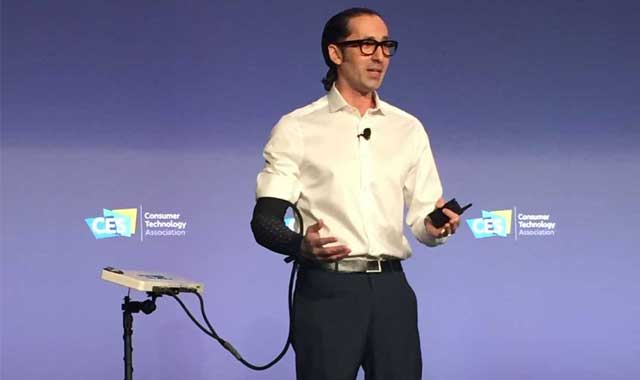
NeuroLife is developing a wearable sleeve designed to support functional hand and arm recovery. The sleeve reads electrical signals from muscles and nerves, interprets movement intent and then delivers targeted stimulation during guided therapy.
The company describes the platform as combining high-density neuromuscular sensing, intelligent decoding and adaptive stimulation. In practical terms, the goal is to translate weak or incomplete neuromuscular signals into real-time feedback and stimulation that can support more personalised rehabilitation.
This is important because many people recovering from stroke or spinal cord injury need repeated, high-quality therapy over long periods. However, access to personalised, high-intensity rehabilitation remains limited in many health systems.
A wearable platform that can help clinicians deliver more responsive therapy could have significant value if supported by strong clinical evidence.
Why This Matters for Stroke Rehabilitation
Stroke rehabilitation often depends on repetition, feedback and continued practice. Yet many patients receive only a limited period of structured therapy after hospital discharge.
This gap is particularly relevant in the Middle East, Africa, Central Asia and South Asia, where rehabilitation services can vary widely between major urban hospitals and more remote or under-resourced regions. Even in advanced health systems, workforce shortages and clinic capacity can limit therapy intensity.
Wearable neurorehabilitation technologies may help address part of this problem by allowing therapy to become more measurable, personalised and potentially more accessible.
Instead of relying only on in-person sessions, future rehabilitation pathways may combine:
- In-clinic assessment
- Wearable sensing
- Guided stimulation therapy
- Remote monitoring
- Home-based exercise programmes
- Periodic reassessment by rehabilitation teams
This does not replace clinicians. It gives clinicians new tools to support patients between appointments.
Beyond Stroke: Spinal Cord Injury and Neurological Recovery
NeuroLife is also targeting spinal cord injury, which makes the platform especially relevant to multidisciplinary rehabilitation teams.
Hand and arm function is a major priority for many people living with cervical spinal cord injury. Even small improvements in grasp, release, reach or hand control can make a major difference to independence, self-care and quality of life.
The same principle applies to stroke. Upper limb recovery can be slower and more difficult than walking recovery, and many patients continue to experience long-term weakness, reduced dexterity and limited hand function.
By focusing on the hand and arm, NeuroLife is addressing an area of rehabilitation where unmet need remains high.
What Orthotists and Prosthetists Should Watch
At first glance, NeuroLife may appear to sit mainly within neurotechnology, physiotherapy and occupational therapy. However, it is highly relevant to the orthotics and prosthetics community.
Many patients affected by stroke, spinal cord injury, traumatic brain injury and neurological disease require a combination of rehabilitation technologies. A patient may need upper limb therapy, lower limb orthotic support, gait training, wheelchair seating, pressure management and assistive devices.
In stroke rehabilitation, for example, foot drop remains one of the most common mobility challenges. Patients may require an ankle-foot orthosis, functional electrical stimulation, footwear modification or a combination approach depending on their presentation.
This is where the wider wearable rehabilitation trend connects with orthotic technologies such as the TurboMed XTERN range. The XTERN is an external ankle-foot orthosis designed for foot drop. It attaches externally to footwear rather than sitting directly inside the shoe, helping selected users achieve dorsiflexion assist while avoiding direct in-shoe skin contact.
For patients with neurological foot drop, including some post-stroke users, external AFO concepts may offer an alternative to traditional brace designs when clinically appropriate. They can support mobility, preserve footwear comfort and potentially improve day-to-day adherence.
The broader lesson is that rehabilitation technology is no longer divided neatly into separate categories. Neurostimulation, orthoses, sensors, digital therapy platforms, footwear and remote monitoring may increasingly work together.
The Shift Toward Personalised, Signal-Driven Rehabilitation
One of the most important aspects of the NeuroLife launch is the idea of signal-driven rehabilitation.
Traditional therapy relies heavily on observation, manual facilitation and patient feedback. These remain essential. However, wearable technologies can add a new layer of information by detecting signals that may not be visible externally.
If a device can detect weak muscle or nerve activity, interpret movement intent and provide targeted stimulation, therapy may become more responsive to the patient’s actual neuromuscular activity.
This could help clinicians answer important questions:
- Is the patient attempting the correct movement?
- Is there measurable activation even when visible movement is limited?
- Is therapy intensity increasing over time?
- Is the patient improving between clinic visits?
- Is the device supporting functional movement rather than passive stimulation alone?
For rehabilitation providers, these questions are central to outcome-based care.
Relevance for IMEA Rehabilitation Systems
The IMEA region has a growing need for scalable rehabilitation solutions. Stroke, diabetes, trauma, road traffic injuries, spinal cord injury and neurological conditions all place increasing pressure on rehabilitation services.
At the same time, access to specialist rehabilitation remains uneven. Some centres in the Gulf, India, Turkey, South Africa and other larger markets are investing in advanced rehabilitation robotics and digital systems. But many patients across the wider region still struggle to access regular therapy after discharge.
Wearable technologies may offer a middle ground between high-cost robotics and conventional home exercises. If devices can be made affordable, durable and easy to train, they may support wider access to structured rehabilitation.
However, successful adoption will depend on more than technology alone. Health systems will need:
- Clinical evidence
- Regulatory approval
- Reimbursement pathways
- Training for rehabilitation teams
- Patient selection criteria
- Local service models
- Maintenance and technical support
- Integration with existing rehabilitation workflows
For distributors and rehabilitation providers in IMEA markets, this is an important category to watch carefully.
A Competitive and Fast-Moving Neurorehabilitation Market
NeuroLife is entering a fast-growing neurorehabilitation field that includes wearable stimulation, robotics, brain-computer interfaces, digital therapeutics, exoskeletons and remote rehabilitation platforms.
The appeal is clear. Health systems need ways to deliver more therapy without relying only on more clinic appointments. Patients need tools that support recovery in real-world environments. Clinicians need better data to track progress and personalise treatment.
The challenge is equally clear. Devices must prove that they improve meaningful outcomes, not just generate interesting data. They must be usable by patients, practical for clinicians and affordable enough for routine service delivery.
For stroke and spinal cord injury rehabilitation, clinical credibility will be essential.
What Comes Next
NeuroLife remains at an early stage, and the company’s next major milestone will be clinical validation. For IMEA CPO readers, the launch is still worth watching because it reflects a larger direction of travel in rehabilitation technology.
The future of neurorehabilitation may not be defined only by large robotic systems or invasive implants. It may also be shaped by wearable sleeves, external orthoses, smart stimulation, remote monitoring and technologies that can be used repeatedly in everyday life.
For orthotists, prosthetists, physiotherapists, occupational therapists and rehabilitation physicians, this creates an important opportunity to work more closely across disciplines.
The patient of the future may not receive one device or one therapy. They may receive a connected rehabilitation pathway that combines orthotic support, wearable neurotechnology, digital tracking and clinician-led progression.
NeuroLife’s launch is another sign that this future is getting closer.
- MassDevice: Wearable neurotech company NeuroLife launches with $2.9M
- Battelle: NeuroLife launch announcement
- Battelle NeuroLife Technology
- The NeuroTech Institute
- TurboMed XTERN External AFO
- World Stroke Organization
- WHO: Rehabilitation