

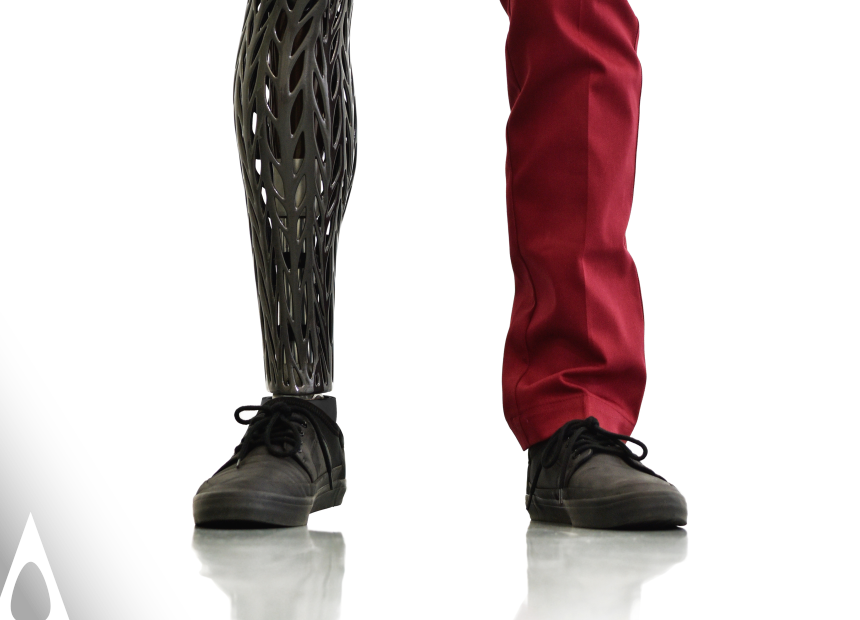
The A’ International Cybernetics, Prosthesis and Implant Design Awards have opened nominations for their latest competition, inviting prosthetic designers, biomedical engineers, medical-device companies and research organisations to submit eligible innovations.
The competition covers technologies that restore, support or enhance human function, including prosthetic limbs, implants, wearable robotics and human-machine interfaces. The standard entry deadline is 30 September 2026, with results scheduled to be announced on 1 May 2027.
For designers and rehabilitation-technology businesses across India, the Middle East and Africa, the awards offer an opportunity to present locally developed products to an international design and engineering audience.
Which projects are eligible?
The competition is open to designs developed during the past ten years. Eligible applicants include prosthetic and implant designers, biomedical and biomechanical engineers, medical scientists, manufacturers, industrial designers and research and development organisations.
The category covers a wide range of products and concepts, including:
- Upper- and lower-limb prostheses
- Prosthetic hands, feet and socket systems
- Microprocessor and robotic prostheses
- Exoskeletons and assistive robotics
- Orthopaedic and spinal implants
- Neural and brain-computer interfaces
- Cochlear and retinal implants
- Sensory-substitution technologies
- Artificial organs and biochip systems
- Mobility aids and adaptive devices
Both completed products and concept-stage projects may be entered, according to the competition’s category information.
Two-stage entry process
Participation begins with a complimentary preliminary evaluation. Entrants submit their project and receive an initial score before deciding whether to proceed to formal nomination.
Projects that pass the preliminary stage may be nominated for judging, although the organiser states that a nomination fee applies at that stage.
The award programme says entries are evaluated anonymously by an international jury that includes academics, engineers, researchers, healthcare specialists and design professionals.
Assessment areas include innovation, technical quality, usability, human factors, ergonomics, clinical value, implementation and social benefit.
These criteria are particularly relevant to prosthetic and orthotic design. A device should not be judged only by its appearance or technological complexity. It must also be safe, functional, maintainable and appropriate for the people expected to use it.
Opportunity for IMEA innovators
The awards could provide useful exposure for companies and university teams developing assistive technology across IMEA.
The region has growing activity in areas such as 3D-printed prostheses, locally manufactured components, low-cost upper-limb devices, paediatric systems, digital socket design and rehabilitation robotics.
However, many promising projects struggle to move beyond university laboratories or small-scale pilot programmes.
International design recognition can help a team communicate its work to potential manufacturing partners, distributors, investors and clinical collaborators. Award participation may also encourage developers to improve product documentation, photography, technical evidence and explanations of the user need being addressed.
Previous recognised projects in the category have included robotic limb systems, smart prosthetic hands, 3D-printed prosthetic covers and exoskeletal exercise devices.
Clinical evidence should remain central
Design awards can help raise visibility, but they should not be confused with medical-device approval or independent clinical validation.
A prosthesis or implant may receive recognition for innovation and design quality while still requiring further testing, regulatory registration and clinical evaluation before routine patient use.
Entrants from the prosthetic and orthotic sector should therefore consider presenting evidence relating to:
- Mechanical durability and fatigue testing
- User comfort and functional performance
- Clinical or field evaluation
- Safety and risk management
- Manufacturing consistency
- Cleaning, maintenance and repair
- Affordability and lifecycle costs
- Involvement of people with disabilities in development
For IMEA markets, it is also important to explain how a product responds to local conditions such as heat, dust, uneven terrain, limited repair infrastructure and price sensitivity.
A design developed specifically for these realities may offer greater practical value than a visually advanced device that depends on expensive imported parts or specialist maintenance.
Benefits for successful entrants
Professional-edition winners receive the A’ Design Prize, which includes a certificate, trophy, use of the winner logo, publication in the competition yearbook and participation in exhibitions in Italy.
The organiser also provides promotional materials, interviews and press support for selected winners.
These benefits are primarily focused on recognition and marketing. Companies considering entry should review the nomination fees, terms and publication requirements before submitting commercially sensitive designs.
Submission timetable
The standard nomination period runs until 30 September 2026. The competition also lists a later entry period extending from October to February, although fees and conditions may differ depending on when a project is nominated.
Formal results are expected to be announced in May 2027.
For prosthetic, orthotic and assistive-technology developers across IMEA, the competition may offer a platform to demonstrate that meaningful innovation is not limited to the largest multinational medical-device companies.
The strongest entries are likely to be those that combine engineering originality with clear user involvement, clinical relevance and a realistic pathway towards manufacture and access.
- Original EIN Presswire announcement
- Cybernetics, Prosthesis and Implant Design Award category
- Submit a preliminary entry
- Previous winners in the category
- Competition dates and entry periods
- International Society for Prosthetics and Orthotics
- World Health Organization assistive technology resources