

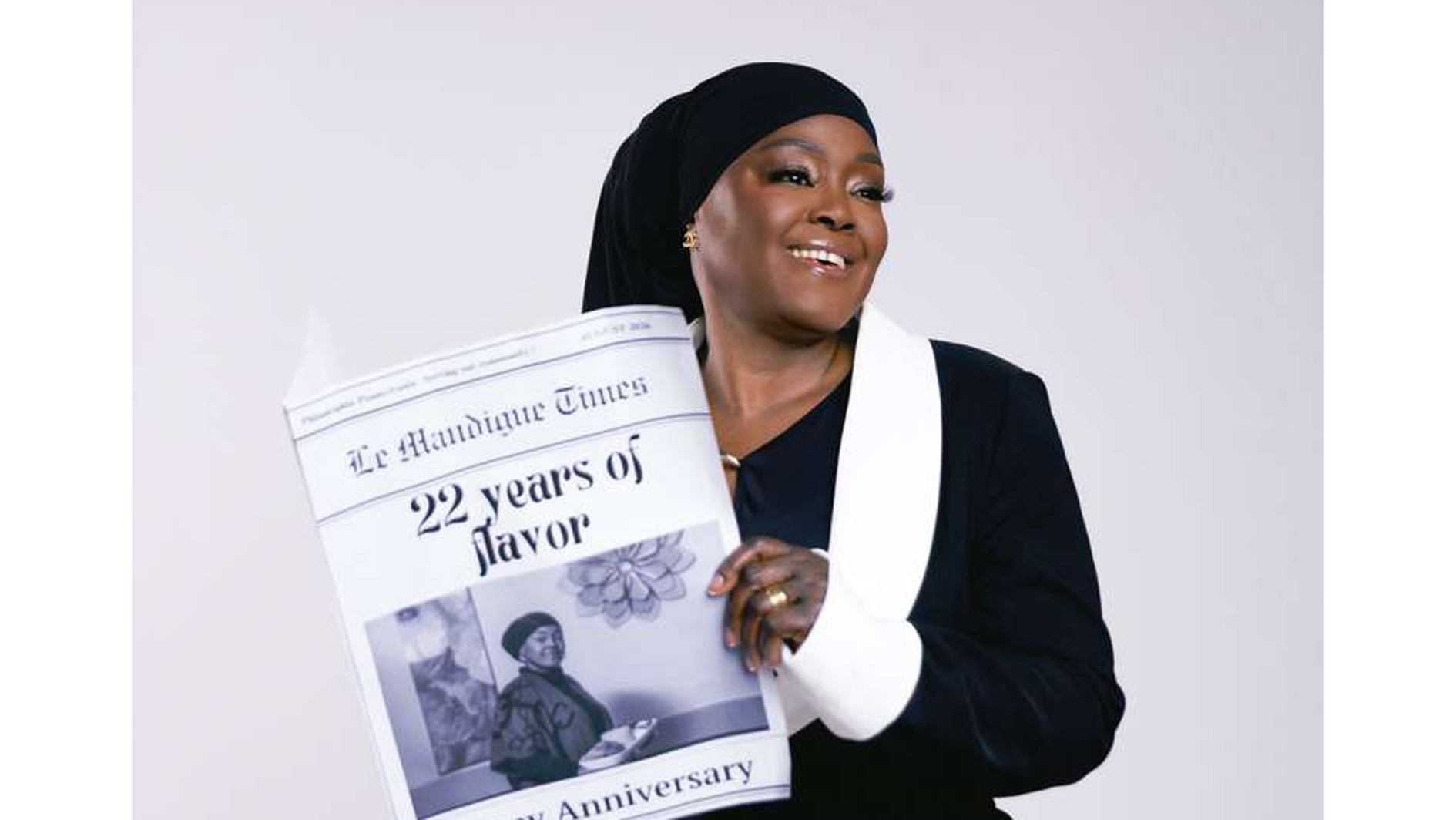
More than two decades after losing a leg in an accident, African entrepreneur Mballou Fofana has built a successful hospitality business and a portfolio of commercial and residential properties reportedly valued at approximately $15 million.
Fofana is the founder of Le Mandingue African Restaurant, an established West African restaurant business serving Philadelphia and Upper Darby in the United States.
Her journey offers an important perspective on life after limb loss. Rehabilitation is frequently discussed in terms of surgery, prosthetic fitting and learning to walk again. Fofana’s story demonstrates that meaningful rehabilitation must also encompass economic independence, professional ambition, cultural identity and the opportunity to build a lasting legacy.
Rebuilding after a life-changing accident
According to a profile published by Nigeria’s Vanguard, Fofana lost one of her legs in an accident in 1998.
The publication does not provide clinical details about the level of amputation, her prosthetic treatment or the rehabilitation services she received. Her story should therefore not be interpreted as a clinical case report.
What is clear is that the accident did not end her entrepreneurial ambitions.
Fofana went on to establish Le Mandingue, which has operated for more than two decades and is described as one of the Philadelphia region’s longest-serving African restaurants.
She attributes her progress to determination, faith and sustained work. Rather than allowing the accident to define her future, she focused on rebuilding her life and developing businesses capable of creating opportunities for others.
Building an African cultural institution
The Le Mandingue website currently lists three locations across Philadelphia and Upper Darby. Its menu includes dishes such as cassava leaves with rice, egusi with fufu, jollof rice, attiéké and sweet potato greens.
The restaurant’s significance extends beyond food. It provides African immigrants with familiar flavours and traditions while introducing customers from other backgrounds to West African cuisine.
Fofana views the business as a place where food, hospitality and cultural identity can be experienced together.
She is now reportedly preparing to expand the brand through a range of African-inspired retail food products. The proposed range includes seasonings, sauces and pantry products based on recipes served through the restaurant over many years.
This move could allow the Le Mandingue brand to reach customers outside its physical locations while contributing to the preservation and wider recognition of African culinary traditions.
A reported $15 million property portfolio
In addition to hospitality, Fofana has invested in commercial and residential property across the Philadelphia area.
Vanguard reports that the portfolio is valued at approximately $15 million. However, the article does not cite an independent valuation, transaction record or financial filing supporting that figure. It should therefore be described as a reported portfolio value rather than a verified company valuation.
The distinction does not diminish the broader importance of her achievement. Building a restaurant operation that survives for more than two decades is itself significant, particularly for a woman navigating the combined challenges that can accompany disability, migration and entrepreneurship.
Her reported expansion into property and packaged food products also shows how a small hospitality business can become the foundation for longer-term economic participation.
Rehabilitation must extend beyond mobility
For prosthetists, orthotists and rehabilitation professionals, Fofana’s experience raises an important question: what is rehabilitation ultimately intended to achieve?
A prosthesis can support mobility, standing tolerance and the physical demands of employment. But successful rehabilitation cannot be judged only by whether a person walks inside a clinic.
The more meaningful outcomes may be whether the individual can:
- Return to work or establish a business
- Move safely within the workplace
- Access education and professional training
- Participate in family and community life
- Travel independently
- Earn an income and build financial security
- Pursue personal goals without being restricted by inaccessible environments
These outcomes require more than a device. They depend on accessible transport and buildings, inclusive finance, workplace accommodation, education, social support and freedom from discrimination.
The United Nations Convention on the Rights of Persons with Disabilities recognises the right of people with disabilities to work on an equal basis with others. This includes the opportunity to earn a living in an accessible and inclusive labour market.
Entrepreneurship and disability inclusion
An International Labour Organization study found that people with disabilities are less likely to participate in the labour market, experience higher unemployment and tend to earn lower wages than people without disabilities.
The study also found that workers with disabilities are more likely to be self-employed. This may partly reflect the flexibility offered by self-employment, but it can also indicate that conventional employers and workplaces remain inaccessible.
Entrepreneurship can provide greater control over working hours, physical environments and business decisions. However, it should not become the only available route for people excluded from formal employment.
Prospective entrepreneurs with disabilities still need access to capital, business training, digital tools, professional networks and accessible commercial premises. Women with disabilities may face additional barriers associated with gender, social expectations and unequal access to finance.
Fofana’s experience demonstrates what can be achieved, but inclusive systems should not require every person with a disability to overcome structural barriers through exceptional individual resilience.
Representation beyond the rehabilitation clinic
Stories about amputees frequently end when the person receives a prosthesis, takes their first steps or leaves a rehabilitation centre.
Fofana’s story begins where many of those accounts stop.
She is not presented solely as a patient or recipient of assistance. She is an employer, property investor, restaurateur and custodian of African culinary culture.
This representation matters. People with limb loss need to see possible futures that extend beyond treatment—futures involving leadership, enterprise, relationships, creativity and financial independence.
Rehabilitation professionals can support this broader vision by asking patients about employment and life goals early in the rehabilitation process. Prosthetic prescriptions can then consider the actual environments in which the person expects to work, including prolonged standing, kitchen heat, stairs, uneven surfaces, lifting and travel.
Referral networks should also extend beyond healthcare to include vocational services, peer organisations, employers, educational institutions and business-development programmes.
A message for Africa’s rehabilitation sector
Across Africa, many people with limb loss continue to face gaps in prosthetic access, follow-up care and economic opportunity.
Expanding device provision remains essential, but mobility should be treated as a pathway towards participation—not the final objective.
Fofana’s journey illustrates the potential of a person with limb loss when rehabilitation, opportunity and personal ambition are allowed to continue developing over decades.
Her reported financial success may attract attention, but the deeper achievement is the creation of a sustainable business, employment opportunities and a platform celebrating African culture.
The most effective rehabilitation systems do not simply help someone stand again. They support people in returning to their communities with the confidence, tools and opportunities required to determine what comes next.
- Vanguard: Mballou Fofana Builds Reported $15 Million Business Portfolio
- Le Mandingue African Restaurant
- ILO Study on Employment and Wage Outcomes for People with Disabilities
- United Nations CRPD Article 27: Work and Employment
- WHO World Report on Disability Factsheet