 By
By
A new commentary on KevinMD argues that preventing diabetic lower limb amputation will require more than surgery, antibiotics, and infection control. It makes the case that pressure relief and offloading must be treated as essential infrastructure in diabetic limb preservation, and that AI-supported design workflows could help close major access gaps, especially in low- and middle-income countries.
The article, published on 27 March 2026 by medical student Adwait Chafale, frames diabetic lower limb amputation as a systems problem as much as a clinical one.
The starting point is the scale of the diabetes burden itself. KevinMD cites the International Diabetes Federation in noting that around $1 trillion has been spent on diabetes-related treatment globally and that 3.4 million deaths were related to diabetes in 2024. The piece argues that one of the most common and devastating complications is non-traumatic lower limb amputation, particularly in low- and middle-income countries where diabetes is rising and complications are more frequent. The IDF’s 2025 Atlas supports that broad framing, estimating 589 million adults living with diabetes globally and emphasizing the growing burden in lower-resource regions.
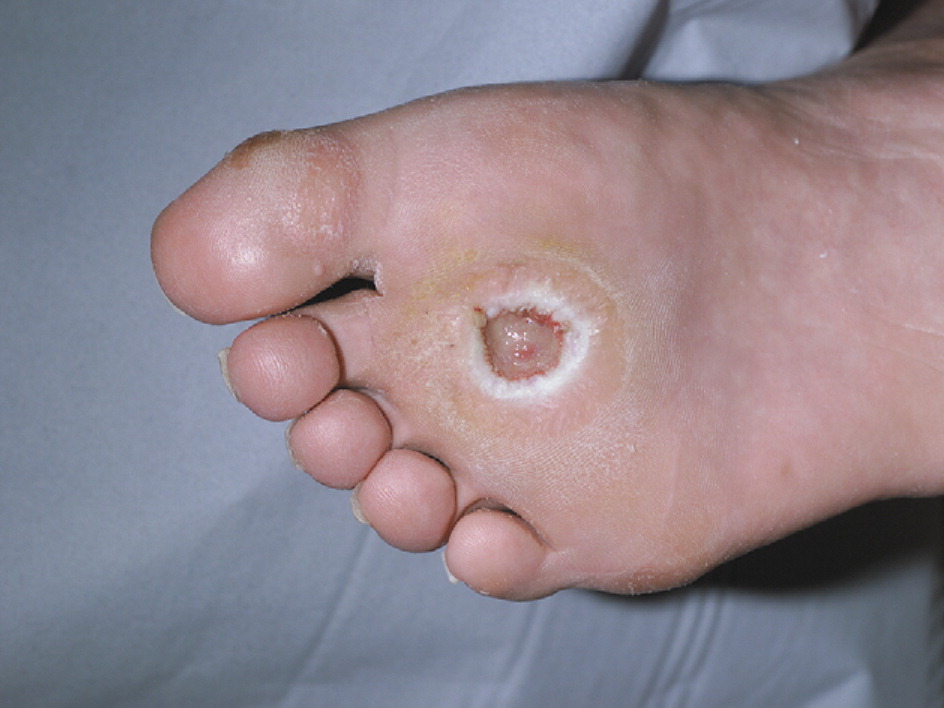
The article links amputation risk to the familiar cascade of peripheral neuropathy, abnormal gait, pressure injury, infection, and vascular compromise. Once sensation is lost, pressure ulcers become easier to miss and harder to manage; once infection reaches deeper tissue or bone, limb salvage becomes far more difficult. That clinical pathway is consistent with recent reviews of diabetic foot ulcer care, which stress that early detection, personalized offloading, and timely intervention remain critical to reducing amputation risk.
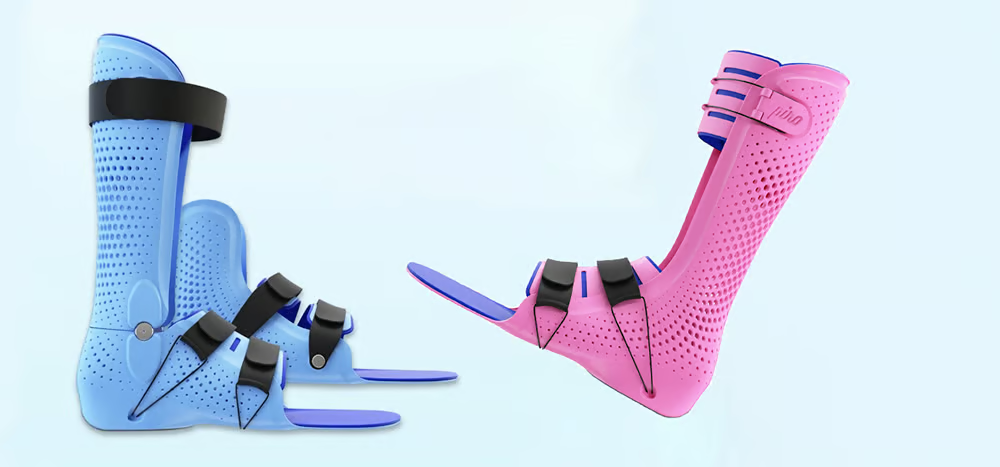
Where the KevinMD article makes its strongest point is in its emphasis on offloading. It argues that global health systems have invested heavily in surgery and infection control, but much less in the pressure-relief infrastructure that healing depends on afterwards. The article lists offloading approaches such as total contact casts, removable cast footwear, wedge footwear, half shoes, wheelchairs, and related devices, while noting that total contact casting remains the gold standard for neuropathic ulcers even though access remains inconsistent in many settings. A March 2026 review in Diabetology similarly describes offloading as the cornerstone of diabetic foot ulcer management and traces its evolution from plaster casting to smart and sensor-enabled systems.
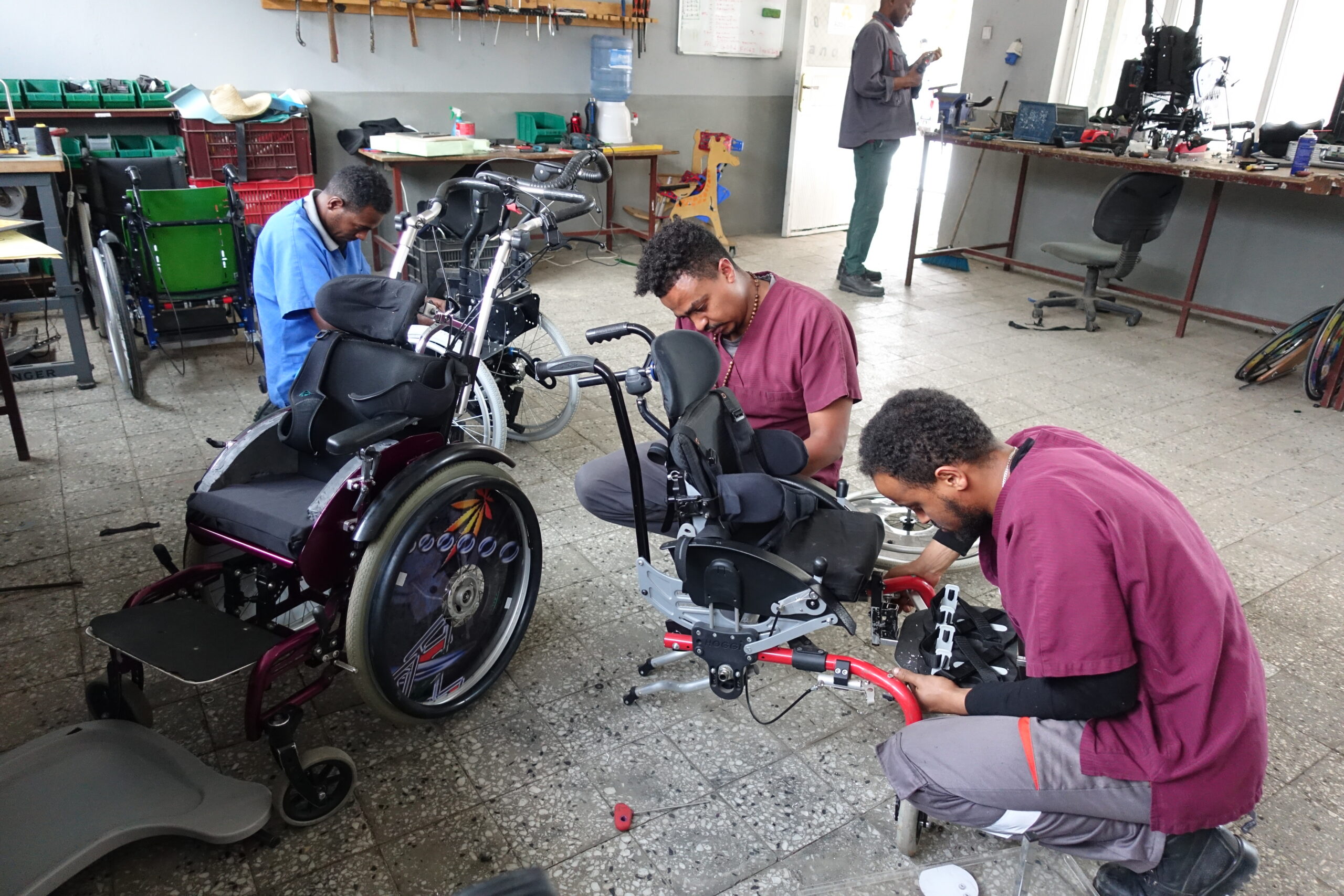
The article then shifts from clinical logic to operational reality. It argues that many providers in lower-resource settings struggle with fragile supply chains for orthotic and prosthetic materials, leading to delayed care and unsafe substitutions. As one example, it cites the well-documented collapse of supply chains in Uganda after the transfer of a rehabilitation centre into government control, where clinicians reportedly resorted to melting jerrycans instead of using proper polypropylene. The broader point is that when orthotic supply chains fail, clinical standards fall with them.
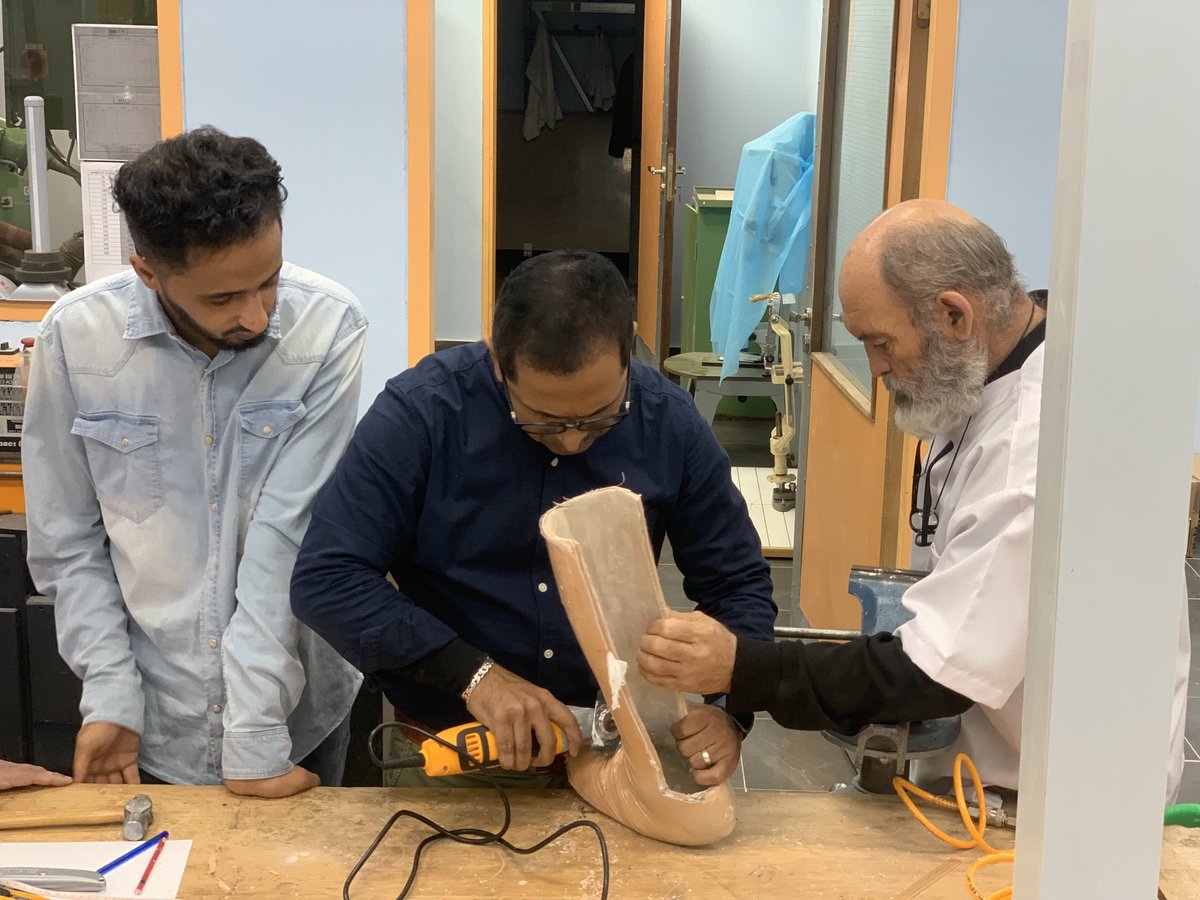
That leads to the article’s proposed solution: a more integrated model combining AI, digital design, and local manufacturing. Chafale suggests using a Figma-based collaborative design platform where clinicians and regional technicians could adapt open-source orthotic templates using patient measurements, annotated photographs, wound location, and pressure-point data. In this model, AI would assist by suggesting pressure-redistribution modifications, flagging biomechanical concerns, and automatically adjusting standardized templates, while the final designs could be fabricated locally using materials such as foam, rubber, cork, or silicone. This is presented as a concept proposal in the KevinMD piece rather than a validated deployed system.
The article’s broader argument is that design intelligence can be shared globally while production remains local. It imagines a workflow where fabrication hubs also input available materials, capabilities, and production timelines, allowing the system to match prescriptions to realistic local production options. That kind of hybrid approach aligns with wider literature on AI in diabetic foot care, which emphasizes the potential of machine learning not only for risk prediction, but also for personalizing interventions such as offloading and improving resource allocation.
The second major proposal in the article is to integrate pressure relief directly into surgical pathways rather than treating it as a downstream extra. In other words, amputation care and offloading should be planned as a single coordinated episode, with a mechanical protection strategy in place before discharge. That logic is consistent with current limb-preservation guidance, which emphasizes that wound care, infection control, pressure offloading, therapeutic footwear, and serial biomechanical review are core parts of care for patients at high risk of amputation.
The third proposal is to redefine post-amputation pressure relief as essential infrastructure and to use shared digital systems to track designs, wound characteristics, healing time, infection, re-ulceration, revision surgery, and mobility outcomes. Over time, the article argues, AI could then identify which offloading designs work best, which materials fail in certain climates, and which stump shapes need specific modifications. This is an aspirational framework rather than a proven clinical platform, but it fits with the current direction of research, where AI is increasingly being explored for risk prediction, prognosis, and personalized care in diabetic foot management.
For IMEA CPO readers, the article is especially relevant because it connects two realities the region knows well: high diabetic foot burden and uneven access to effective offloading. In many emerging markets, the challenge is not only knowing what the gold standard is, but being able to deliver something durable, affordable, and timely within real material and workforce constraints. The KevinMD piece is therefore less about one specific AI tool and more about a strategic shift: moving offloading from a secondary device conversation to a primary limb-preservation systems conversation. That is an inference from the article’s structure and the supporting clinical literature.
The article does not claim that AI alone will solve diabetic amputation. Instead, it argues that better outcomes will require stronger integration between surgery, wound care, orthotics, local fabrication, and follow-up, with AI helping to reduce design and production friction. In that sense, the message is practical rather than futuristic: preventing diabetic lower limb amputation depends not only on better clinical decisions, but on building the offloading ecosystem those decisions require.
- Original KevinMD article
- International Diabetes Federation Diabetes Atlas
- Diabetology review: From Plaster to Pixels — The Evolution of Offloading in the Diabetic Foot
- Review: Artificial Intelligence and Machine Learning in Diabetic Foot Ulcer Care
- IntechOpen chapter: AI-Driven Personalised Offloading Device Prescriptions