 By
By
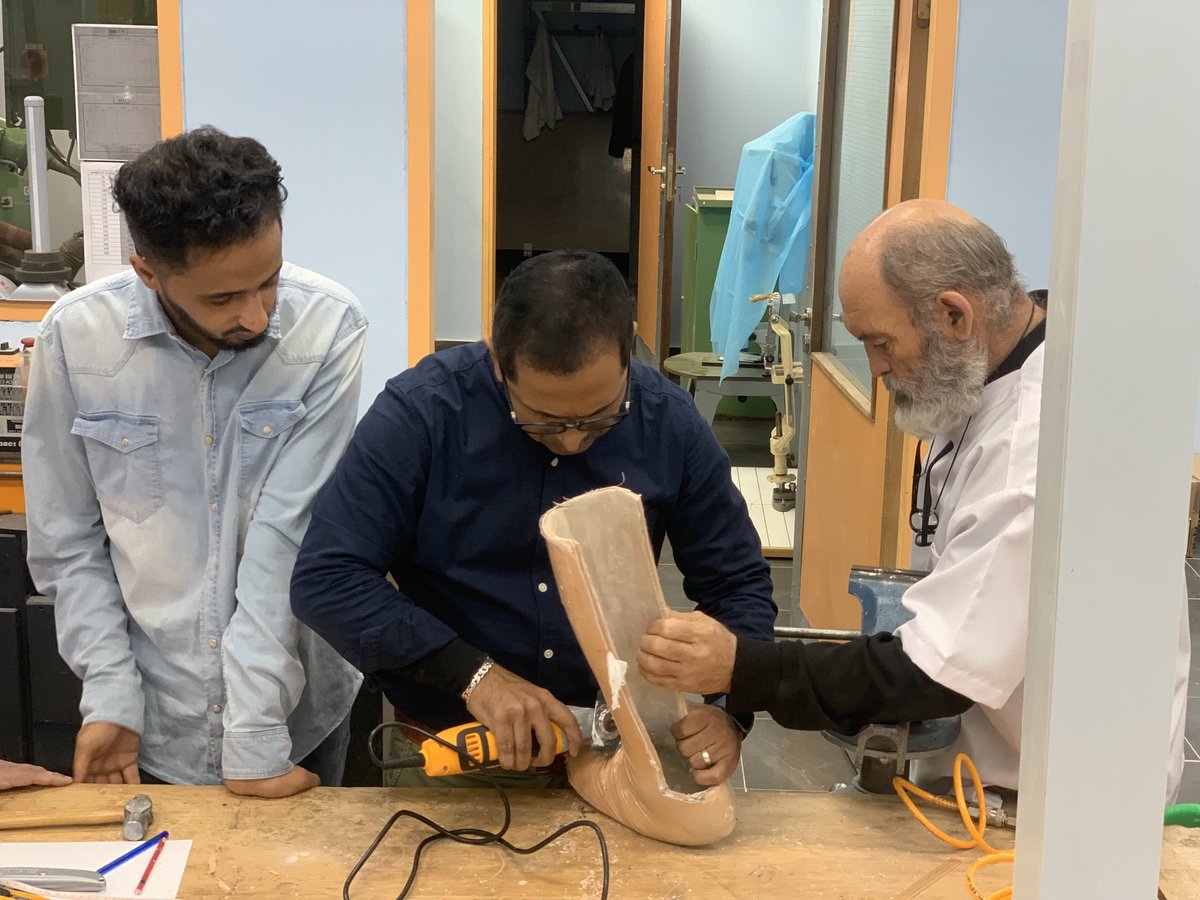
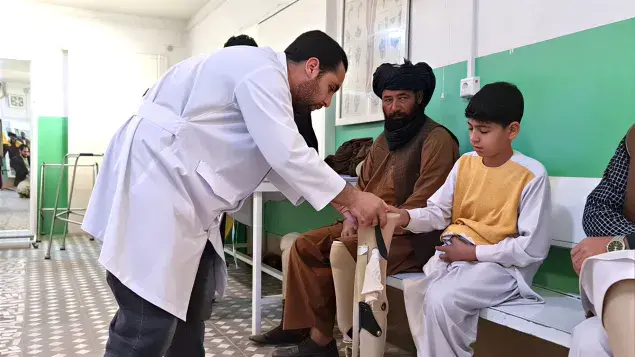
After ten years of supporting people affected by conflict-related disability in Libya, the International Committee of the Red Cross (ICRC) has brought its physical rehabilitation programme in the country to an end. The organization says the programme, launched in 2015, operated four physical rehabilitation centres in Tripoli, Benghazi, and Misrata, providing prosthetics, orthopaedic services, and physical therapy to more than 2,000 people with disabilities each year.
For IMEA CPO readers, this is an important moment. It marks the close of one of the more sustained rehabilitation support efforts in a conflict-affected North African setting, but it also highlights what long-term investment in prosthetics, orthotics, physiotherapy, and social inclusion can achieve when it is maintained over time.
More than devices alone
The ICRC’s article makes clear that the programme was never only about fitting prostheses or providing orthopaedic care. It also focused on the wider physical and psychological consequences of disability. The organization notes that people with physical disabilities often face major mental health challenges as well, and the article uses patient stories to show how prosthetic rehabilitation can affect confidence, social participation, and family life as much as mobility itself.
One patient, Emhemmed, described how adapting to a prosthetic limb after losing his right leg during violent clashes helped restore both mobility and what he called “mental peace.” Another patient, Salah, explained how receiving a prosthetic leg changed daily life in practical and emotional ways, including allowing him to stand and lift his daughter again. These personal accounts reinforce a point that O&P professionals know well: rehabilitation is not simply about walking again, but about dignity, self-image, and reconnecting with ordinary life.
Inclusion through sport, education, and livelihoods
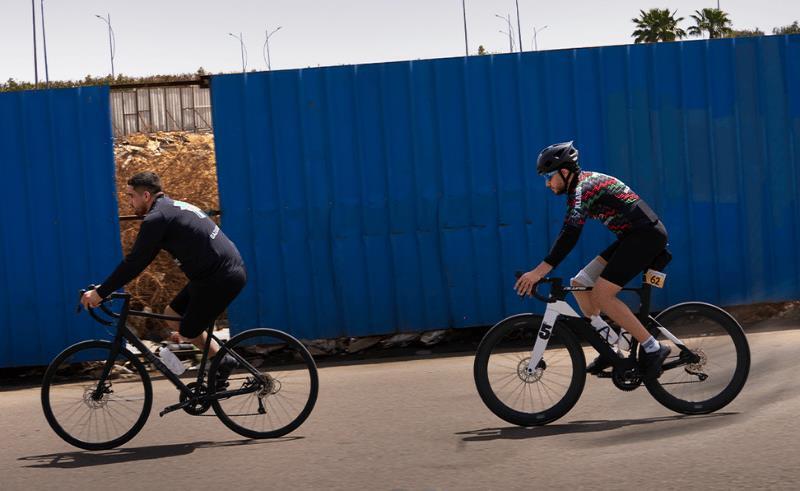
The programme also went beyond clinical services into disability inclusion. The ICRC says its Libya approach included inclusive education, vocational training, microeconomic support, and adapted sports programmes. Over the past decade, the Libyan Paralympic Committee, with ICRC financial support, organized three national Paralympic championships and took part in three international wheelchair basketball tournaments abroad. The programme also enabled more than 100 athletes with disabilities each year to participate in sports activities through wheelchair donations.
That matters because disability inclusion in conflict-affected settings is often discussed in narrow humanitarian terms, when in reality long-term recovery also depends on education, livelihood opportunity, and visible public participation. Sport, in this context, is not a side activity. It becomes part of social reintegration. This is an inference, but it is strongly supported by the ICRC’s own description of inclusion as part of its overall rehabilitation approach.
Building local rehabilitation capacity
One of the most significant parts of the programme may be its investment in local professional development. The ICRC says it supported 18 physical therapy students with scholarships in orthopaedics and prosthetics, with training placements in countries including India, Jordan, and Turkey. It also provided on-the-job training at the centres and technical guidance from more than ten international experts. In addition, workshops and training courses aimed at improving the professional skills of people with disabilities reportedly benefited more than 80 people.
For IMEA CPO audiences, that workforce element is especially important. Programmes can end, but local professional capacity remains one of the strongest indicators of long-term impact. The fact that the ICRC combined service delivery with scholarships, practical training, and technical mentorship suggests the effort was designed not only to deliver care, but also to leave behind stronger local foundations for the rehabilitation sector. This is an inference, but it follows directly from the structure of the programme as described by the ICRC.
A programme ending, but not the need
The ICRC describes the programme as having sought to “restore people’s dignity” in Libya since 2015 and says it now hopes local partners will continue leading and managing the physical rehabilitation sector. The organization’s project director, Muhanad Hussein, said the programme had aimed to improve the lives of people with disabilities and promote their inclusion in society, and expressed hope that partners in Libya would continue providing essential support after the programme’s closure.
That closing message is important because it points to both progress and uncertainty. Ten years of support has clearly produced clinical, educational, and social impact. But the end of an externally backed programme also raises the question of how sustainably Libya’s rehabilitation sector can continue growing under local leadership, especially in a country still dealing with the long-term effects of conflict and instability. That final point is an inference based on the programme’s closure and the ICRC’s emphasis on partner handover.
Why this matters
The Libya story is a reminder that rehabilitation is not a short-term humanitarian add-on. It is long-haul infrastructure. Over a decade, the ICRC’s programme combined prosthetic and orthopaedic care, physiotherapy, training, inclusive sport, and social support across multiple centres. For the IMEA CPO sector, it stands as a useful example of what a broader rehabilitation ecosystem can look like in a post-conflict context, and why its legacy should be measured not only by devices delivered, but by people empowered and local capacity built.