 By
By
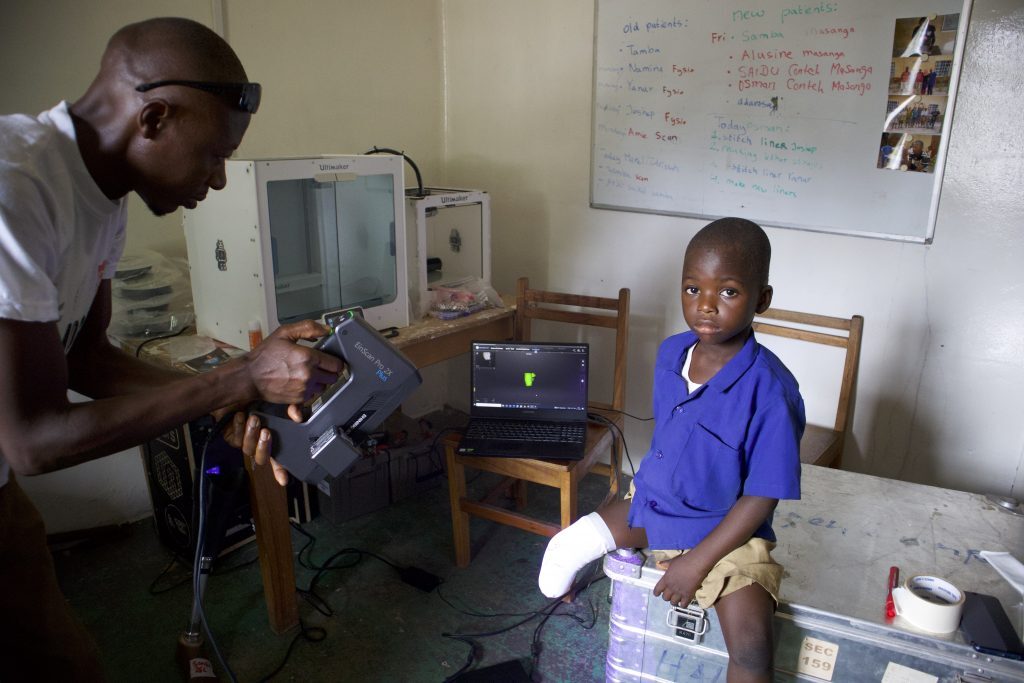
Researchers working at the 3D laboratory of Masanga Hospital in rural Sierra Leone have reported encouraging results from a study evaluating AI-designed transtibial prosthetic sockets produced locally in a low-income setting, pointing to a potentially important advance for prosthetic access in underserved regions.
The work, highlighted by The O&P EDGE and published in the Archives of Physical Medicine and Rehabilitation, assessed whether socket shapes generated through artificial intelligence could support functional prosthetic provision outside traditional high-resource clinical environments.
According to the report, local staff at Masanga Hospital have been independently producing transtibial prostheses since 2023 using in-house software built around a structured, low-decision workflow. The process combines Shining 3D for scanning, 3DMedX for AI-based socket shape prediction, and Cura for print file preparation using fixed settings. The AI algorithm itself was trained on expert data, aiming to standardize socket design while reducing dependence on highly specialized manual rectification.
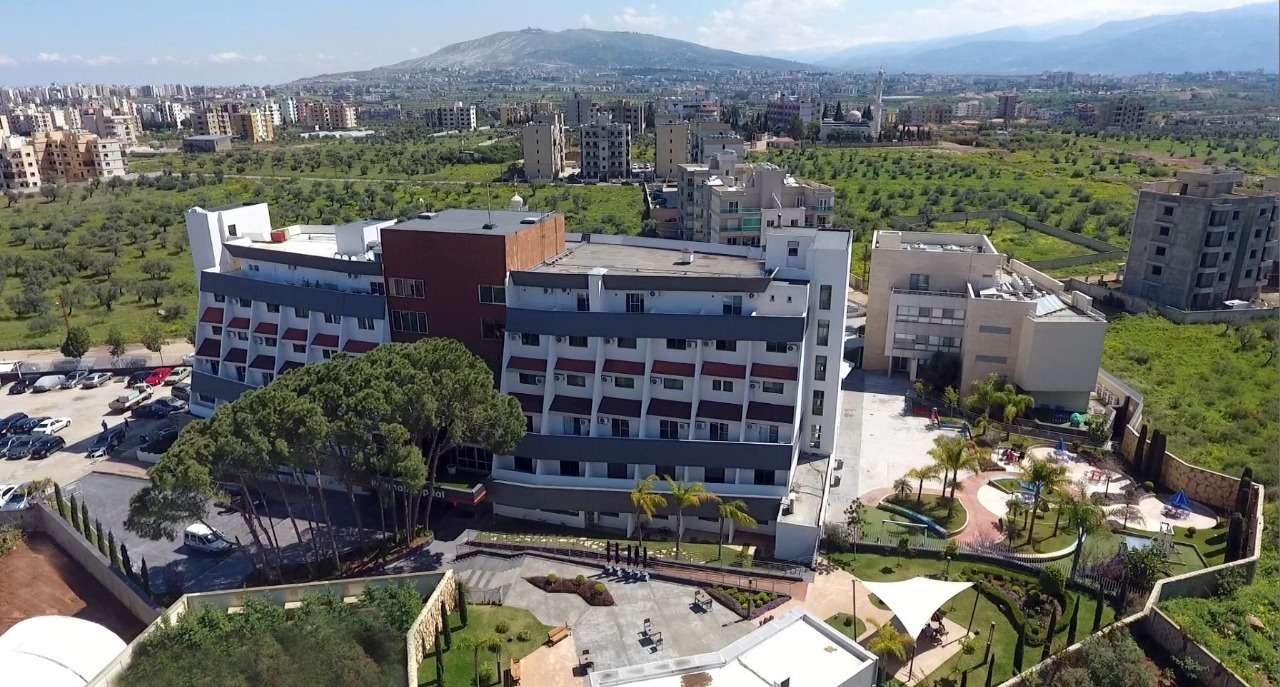
The setting is particularly notable. Masanga Hospital is a 120-bed teaching hospital serving around 12,000 patients annually, with recognised experience in amputation surgery and wound care. The article reports that the hospital performed 75 leg amputations in 2022 and 112 in 2023, figures the study authors say likely represent a significant share of amputations in Sierra Leone. In that context, the ability to locally design and fabricate prosthetic sockets could have major implications for continuity of care and rehabilitation access.
The prospective cohort study enrolled 34 people with unilateral transtibial amputations who did not have a functional prosthesis at the time of inclusion. Importantly, the sockets were produced autonomously by hospital workers with limited prosthetic experience, underlining the practical ambition of the technology: to make socket production more scalable in places where trained prosthetists and fabrication infrastructure remain scarce. The definitive sockets used a hybrid manufacturing approach, with the inner socket 3D printed in 3 mm PETG filament and then laminated with fiberglass and resin after fitting.
Outcomes were assessed at baseline and again after 10 weeks, with researchers looking at user satisfaction, function, activity, and quality of life. The assessment package included the Orthotics and Prosthetics User’s Survey (OPUS), activity sensors, the Lower Extremity Functional Scale (LEFS), disease-specific health-related quality of life measures, and EQ-5D-3L plus a visual analog scale.
The findings suggest meaningful real-world use. Activity sensors confirmed that all participants used their prosthesis, and among those who completed follow-up, median wear time reached 9.3 hours per day with a median of 3,978 steps per day. The study also reported significant improvement in LEFS scores from 45 to 52 and in disease-specific health-related quality of life from 25 to 31, while 56 percent of participants achieved their personal activity goals. Generic quality-of-life scores on EQ-5D-3L and VAS did not show significant change.
For the global O&P field, the significance of the study lies not only in the AI component, but in the broader service model it supports. In many lower-resource settings, prosthetic access is constrained by limited specialist capacity, inconsistent workflows, and the high time burden of traditional socket fabrication. A more standardized digital workflow, especially one that local teams can operate independently, could help reduce bottlenecks and strengthen service delivery where need is highest.
The authors concluded that AI algorithms can potentially predict effective transtibial socket shapes while giving local prosthetic teams greater independence and offering a more standardized production pathway for countries with limited prosthesis availability. As an early clinical study, it does not settle every question around long-term outcomes, durability, or scalability, but it does offer a strong proof point for how AI, 3D scanning, and hybrid fabrication may together reshape prosthetic provision in humanitarian and low-resource environments.