 By
By

OTWorld 2026 will place crisis preparedness, rehabilitation resilience, and orthopaedic treatment under pressure at the centre of its global agenda, as the major international congress and trade show turns its focus to care delivery in times of conflict and disruption.
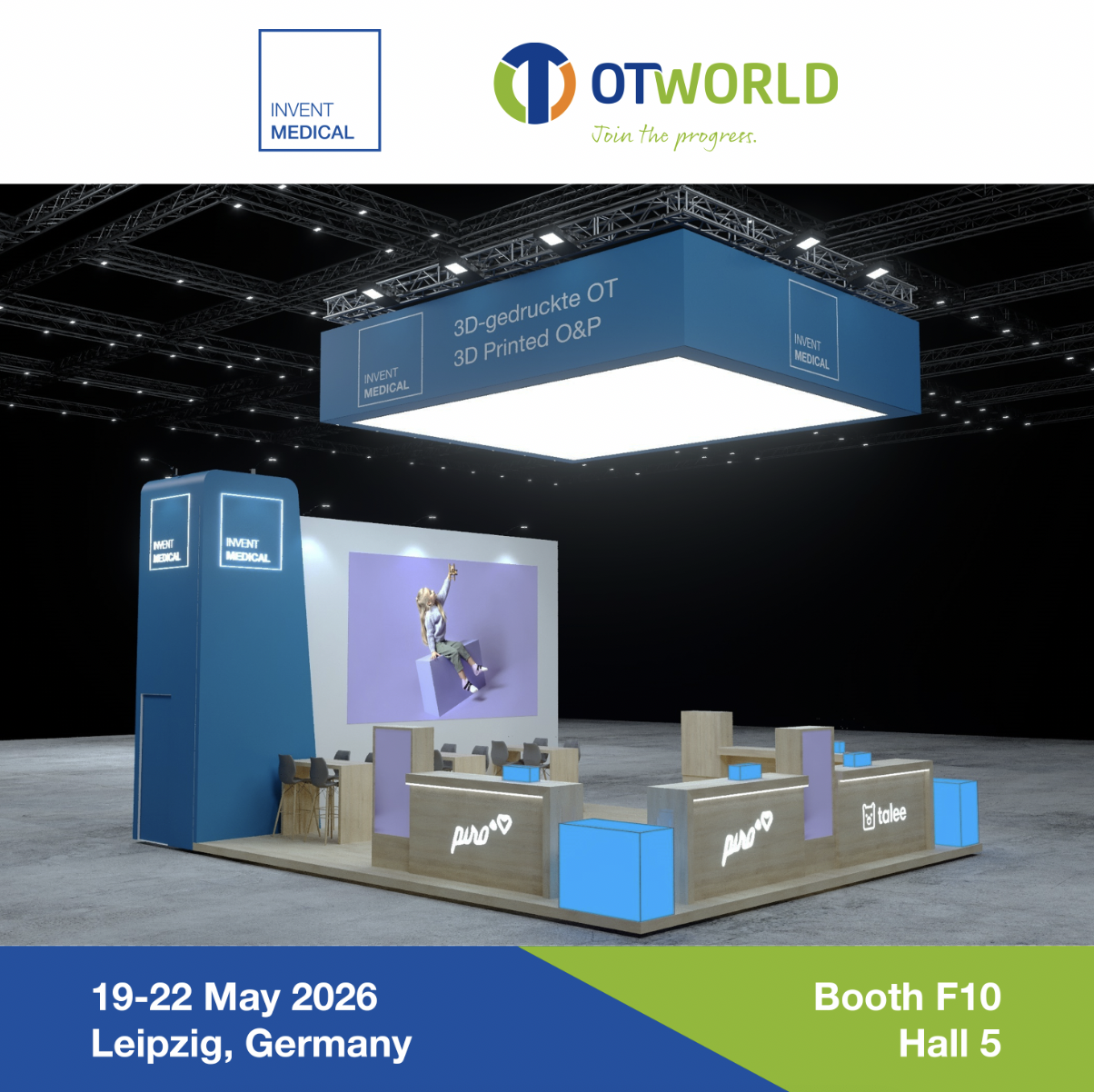
Scheduled to take place in Leipzig from 19 to 22 May 2026, the event will explore how orthopaedic treatment and care systems can continue to support mobility, participation, and long-term rehabilitation even under exceptional circumstances.
According to the event press release, OTWorld 2026 will examine how healthcare systems can respond when crisis and conflict create large-scale disruption across trauma care, rehabilitation pathways, and medical aid supply chains. Organisers say orthopaedic treatment often begins in the acute phase, continues through rehabilitation, and plays a central role in helping patients return to a more self-determined life, making continuity of care especially important in unstable settings.
A key theme of the congress will be the need to proactively strengthen supply chains. One symposium on rehabilitation in conflict situations will bring together experts from medicine, rehabilitation, and care delivery to discuss how more resilient supply systems can be built and how cross-sector treatment pathways can still function when there are high numbers of severely injured people. Topics are set to include emergency preparedness, accelerated rehabilitation concepts in exceptional situations, and the transition from joint replacement implants to external prostheses after amputation.
The programme will also include a broader European discussion around the treatment of war injuries, with sessions examining surgical approaches, civil-military cooperation, and the continued development of prosthetics and orthotics in highly unstable care environments. In that context, OTWorld is positioning prosthetics, orthotics, and mobility aids not as peripheral services, but as a core part of efficient and responsive healthcare systems during crisis.
For the O&P profession, that framing is significant. The organisers state that prostheses, orthoses, and wheelchairs support mobilisation from the earliest stages and help enable rehabilitation, participation, and quality of life. They also stress the value of interdisciplinary and internationally connected care structures, especially when routine systems are under severe pressure.
Beyond the crisis theme, OTWorld 2026 will cover three main pillars: rehabilitation, training, and integrative care. The wider programme will also include contributions on prosthetics, orthotics, orthopaedic footwear technology, compression therapy, digital transformation, medical aid research, and global care strategies, reinforcing the event’s role as one of the most comprehensive meeting points in the sector.
Running in parallel with the World Congress, the International Trade Show will present technologies, products, and practical solutions across the full spectrum of orthopaedic treatment and care. A special emphasis will be placed on post-amputation prosthetic care, with manufacturers expected to showcase solutions suited to different clinical realities, including crisis-affected regions. The event will also feature contributions from experienced care centres and projects including Superhumans from Kyiv, which will share experience in treating war-wounded patients, and Pro Uganda, which will present examples of building sustainable care structures in different regions.
Organisers also note that education and workforce development will be part of the exhibition landscape, with organisations involved in specialist training and knowledge transfer presenting how international cooperation can help strengthen local supply systems over the longer term. That emphasis is particularly relevant for IMEA CPO readers, given the increasing need for conflict-responsive rehabilitation models, regional workforce development, and more resilient prosthetic and orthotic ecosystems across fragile settings. This final point is an inference based on the OTWorld programme themes and the needs commonly seen across conflict-affected rehabilitation systems.
Ticket sales for OTWorld 2026 are already open. The organisers say OTWorld COMPLETE tickets include access to both the World Congress and the International Trade Show, with early bird pricing available until 31 March 2026. Discounted options are also available for pupils, students, and trainees, alongside group trade show tickets and special access arrangements for participants in the Youth Academy for Technical Orthopaedics (JA.TO).