 By
By
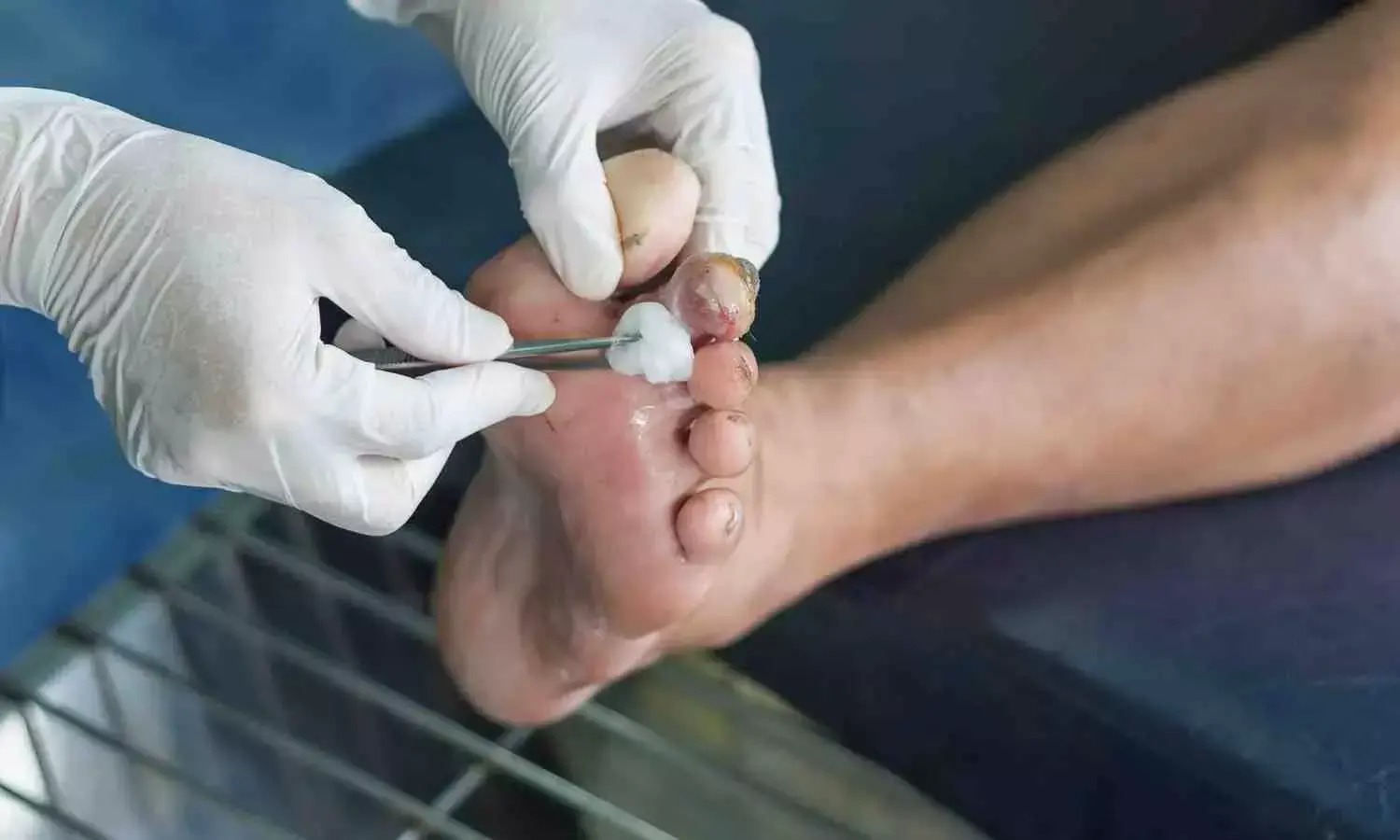
A new Indian study has highlighted the potential impact of structured interdisciplinary diabetic foot care on both survival and limb preservation, with findings suggesting that coordinated care can significantly reduce mortality and amputation rates in high-risk diabetic foot patients.
According to a report by Medical Dialogues, the study was published in the Indian Journal of Surgery and assessed outcomes after a tertiary public health centre moved from standard wound management to a structured interdisciplinary diabetic foot care model. The study compared 771 patients treated under standard care in 2018–2019 with 588 patients treated under the interdisciplinary programme in 2021–2022.
The reported results were clinically significant. Two-year mortality fell from 24% under standard care to 12% after implementation of the structured programme. Total amputation rates also decreased from 32% to 25%, suggesting that a more organised care pathway can improve both limb and life outcomes in diabetic foot disease.
For prosthetists, orthotists, podiatrists, wound-care teams and rehabilitation providers, the findings reinforce a critical point: diabetic foot disease is not simply a wound problem. It is a complex clinical pathway involving neuropathy, vascular disease, infection, pressure, footwear, offloading, metabolic control, patient education, surgery, rehabilitation and long-term follow-up.
The Medical Dialogues report notes that India has around 90 million people living with diabetes, with diabetic foot disease affecting a substantial proportion of patients and increasing long-term mortality risk. Against this background, even modest improvements in care pathways could have a major public-health impact when applied across India and similar high-burden regions.
The study’s message is consistent with wider international evidence. A review in Foot and Ankle Clinics states that coordinated care between different levels of care is central to diabetic foot ulcer management, and that interdisciplinary teams can improve outcomes including amputation rates, length of hospital stay and mortality. It also emphasises the need for targeted care involving doctors, nurses and allied health professionals.
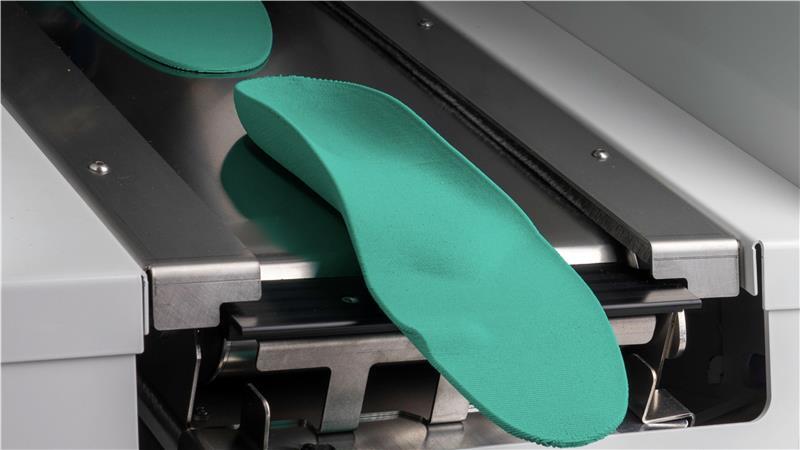
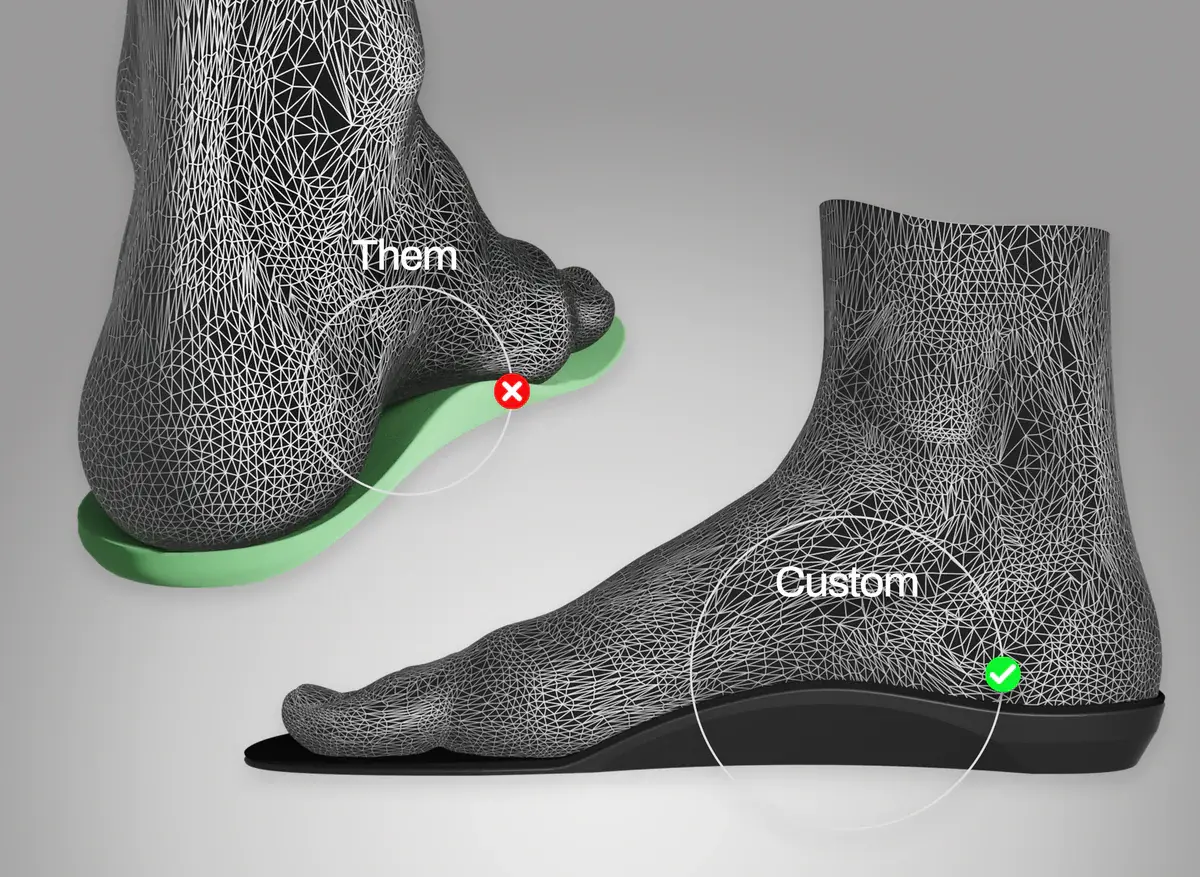
For CPOs, this is where orthotic and prosthetic expertise becomes essential. Many diabetic foot complications are driven or worsened by abnormal plantar pressure, inappropriate footwear, deformity, neuropathy, poor pressure redistribution and delayed offloading. Custom insoles, total-contact inserts, rocker soles, Charcot restraint orthotic walkers, ankle-foot orthoses, therapeutic footwear and post-amputation prosthetic rehabilitation all form part of the broader limb-salvage and mobility continuum.
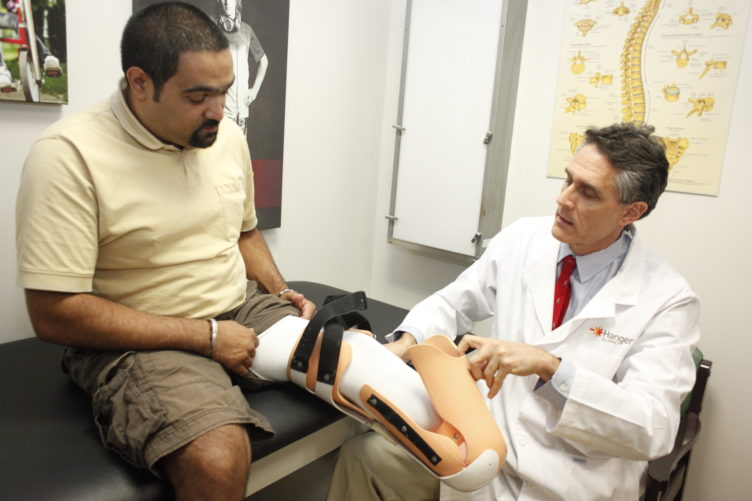
Interdisciplinary diabetic foot care should therefore include the O&P team early, not only after amputation. Orthotists and pedorthic specialists can help identify pressure-risk patterns, recommend offloading devices, support wound healing, reduce recurrence, and improve adherence through footwear that patients can actually use. Prosthetists are also critical after limb loss, supporting residual-limb care, safe mobility, socket fit, skin protection and return to family, work and community life.
The study also has particular relevance for the IMEA region. India, the Middle East and Africa all face increasing diabetes prevalence, uneven access to specialist foot-care services, and significant gaps in podiatry, vascular surgery, wound care and orthotic provision. A structured diabetic foot pathway can help hospitals move away from fragmented, late-stage care toward earlier detection, faster referral and more consistent treatment.
The practical lesson is clear: diabetic foot services should not depend on isolated wound dressing or emergency surgical intervention. They should be built as coordinated systems that bring together endocrinology, surgery, vascular assessment, infectious disease, wound care, nursing, podiatry, orthotics, prosthetics, physiotherapy, nutrition and patient education.
Why This Matters for O&P and Rehabilitation Professionals
This study is important for O&P and rehabilitation teams because it supports a more integrated role for orthotists, prosthetists and foot-care specialists in diabetic foot management.
Key takeaways include:
- Diabetic foot care should be structured, not reactive.
- Interdisciplinary models can reduce both mortality and amputation.
- Offloading and footwear are central to ulcer healing and recurrence prevention.
- Orthotists should be involved before amputation, not only after deformity or ulcer recurrence.
- Prosthetists play a critical role in post-amputation mobility, skin protection and long-term function.
- Hospitals need clear referral pathways for high-risk feet, ulcers, infection, vascular compromise and Charcot foot.
- Patient education, footwear adherence and follow-up are as important as the device itself.
For CPOs, the opportunity is to become part of the diabetic foot pathway earlier, helping clinicians move from crisis management to prevention, offloading, mobility preservation and long-term quality of life.
Suggested Diabetic Foot Team Model
An effective interdisciplinary diabetic foot service should include:
- Diabetologist or endocrinologist
- Vascular surgeon
- General or orthopaedic surgeon
- Infectious disease specialist
- Wound-care nurse
- Podiatrist or foot-care specialist
- Orthotist / pedorthist
- Prosthetist for post-amputation care
- Physiotherapist
- Dietitian
- Diabetes educator
- Patient and family support team
The O&P contribution should include pressure assessment, footwear review, offloading, custom insoles, orthoses, Charcot management, minor-amputation support, prosthetic rehabilitation and long-term follow-up.
- Medical Dialogues original article
- Indian Journal of Surgery
- Foot and Ankle Clinics review: The Interdisciplinary Approach to Diabetic Foot Ulcers
- BMC Health Services Research: Multidisciplinary care of diabetic foot infections
- International Working Group on the Diabetic Foot
- Frontiers Research Topic: Improving Outcomes in Diabetic Foot Care
- Diabetes Research and Clinical Practice review on diabetic foot care