 By
By
Gaza’s rehabilitation crisis is no longer limited to injuries caused during active bombardment. As families return to destroyed neighbourhoods, schools, roads and temporary shelters, unexploded ordnance is creating a new and continuing risk of death, limb loss and lifelong disability.
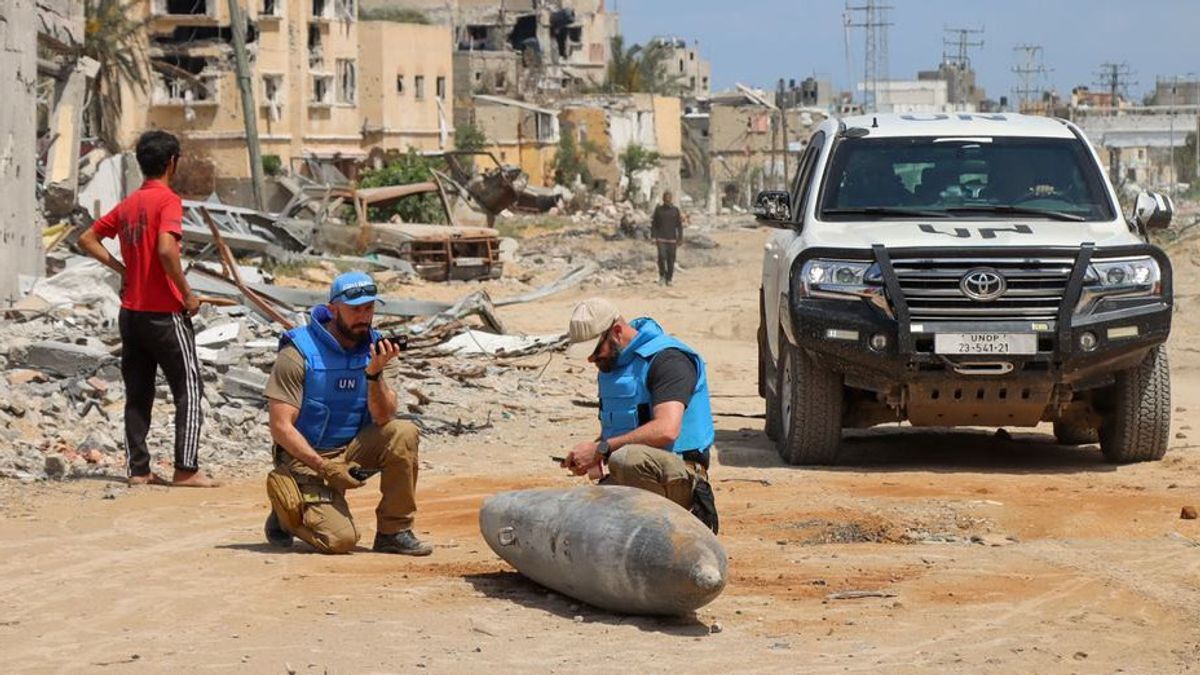
A recent VOI report highlighted warnings that Israeli bombs and other explosive remnants remain scattered across Gaza, including in public areas such as roads and damaged civilian infrastructure. The concern reflects a wider warning from the United Nations Mine Action Service that Gaza is heavily contaminated with unexploded ordnance, creating hazards that could affect recovery and reconstruction for years or even decades.
According to reporting citing UNMAS officials, Gaza may contain explosive remnants at a density equivalent to roughly one item of explosive ordnance every 600 metres, although the full scale has not yet been surveyed. UNMAS has also identified more than 1,000 items of explosive ordnance during missions conducted over the past two and a half years.
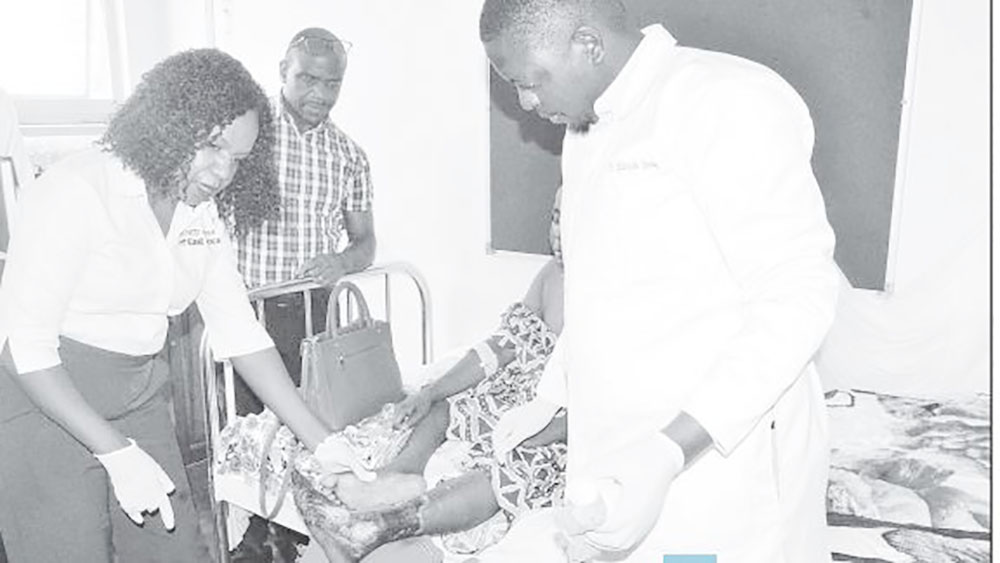
For prosthetics and orthotics professionals, this is a critical issue. Unexploded ordnance does not only threaten immediate survival. It can cause traumatic limb loss, burns, spinal injuries, brain injuries, complex fractures and soft-tissue damage that require long-term surgical care, prosthetic rehabilitation, orthotic support, mobility aids, psychological support and follow-up services.
The danger is especially serious for children. Reports cited by Arab News noted that explosive weapons in Gaza left an average of 475 children each month in 2024 with potentially lifelong disabilities, including amputations. Save the Children representatives have also described Gaza as having the world’s largest cohort of child amputees.
This means Gaza’s need for prosthetic and orthotic care is likely to continue growing, even if large-scale hostilities decrease. Children injured by unexploded ordnance may require repeated surgeries, paediatric prosthetic fittings, socket adjustments, replacement devices as they grow, gait training, schooling support and psychosocial rehabilitation. Adults may require prosthetic limbs, spinal bracing, orthoses, pressure care, vocational rehabilitation and long-term support to return to family and community life.
The contamination also affects the ability of humanitarian and rehabilitation teams to deliver services. Unexploded bombs and munitions can block access to hospitals, roads, bakeries, schools, shelters and damaged homes. They complicate rubble removal, patient transport, mobile clinic deployment, reconstruction and the safe return of displaced families. The UN in Palestine has warned that as hundreds of thousands of displaced people move through Gaza, the risk from unexploded ordnance remains a major humanitarian concern.
The scale of debris makes the challenge even harder. Reuters previously reported that clearing Gaza’s rubble, including unexploded ordnance, could take many years, with UN officials estimating tens of millions of tonnes of debris across the territory.
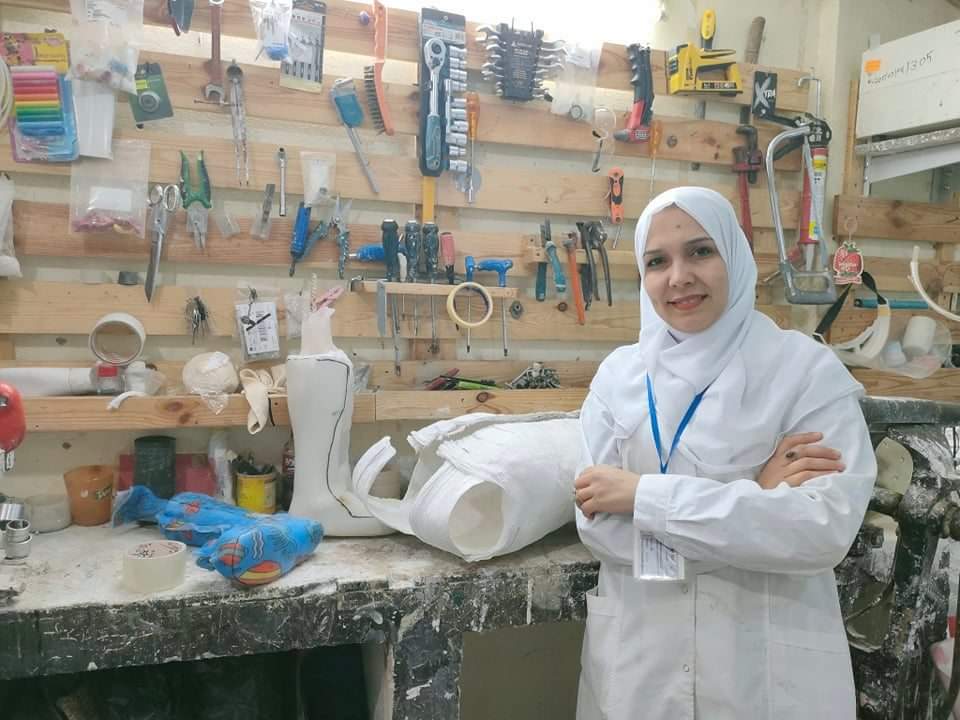
For O&P and rehabilitation providers, the situation underlines the need for an integrated response. Mine action, trauma care, prosthetic and orthotic services, physiotherapy, mental health support, assistive technology, paediatric rehabilitation and community reintegration cannot be treated as separate issues. Each new explosive injury creates a long rehabilitation pathway that may last for years.
Gaza’s explosive remnants crisis is therefore also a mobility crisis. Every unexploded bomb left in a street, school, field or collapsed building represents a potential future amputation, spinal injury or disabling trauma. The response must include not only clearance and risk education, but also investment in rehabilitation systems capable of supporting survivors long after the initial injury.
Why This Matters for O&P and Rehabilitation Professionals
For prosthetists, orthotists, technicians, rehabilitation physicians, physiotherapists and humanitarian organisations, Gaza’s unexploded ordnance crisis raises several urgent priorities:
- Injury prevention through mine-risk education and safe access planning
- Rapid referral pathways from trauma surgery to rehabilitation
- Prosthetic services for adults and children with new amputations
- Orthotic support for fractures, spinal injuries, burns and neurological trauma
- Long-term paediatric prosthetic replacement and adjustment programmes
- Local training for rehabilitation teams and technicians
- Safe supply chains for prosthetic components, orthotic materials and mobility aids
- Coordination between mine action agencies, hospitals, NGOs and rehabilitation providers
The risk is not only what has already happened. It is what will continue to happen if explosive remnants remain in the places where civilians are trying to live, return, rebuild and recover.
- VOI original article
- United Nations Mine Action Service
- UN Palestine report on unexploded ordnance risks in Gaza
- Arab News report on unexploded bombs in Gaza
- Al-Monitor report on Gaza ordnance contamination
- Reuters report on Gaza debris and unexploded ordnance
- Al Jazeera report on Gaza amputees and blocked aid
- Humanity & Inclusion
- Save the Children