 By
By
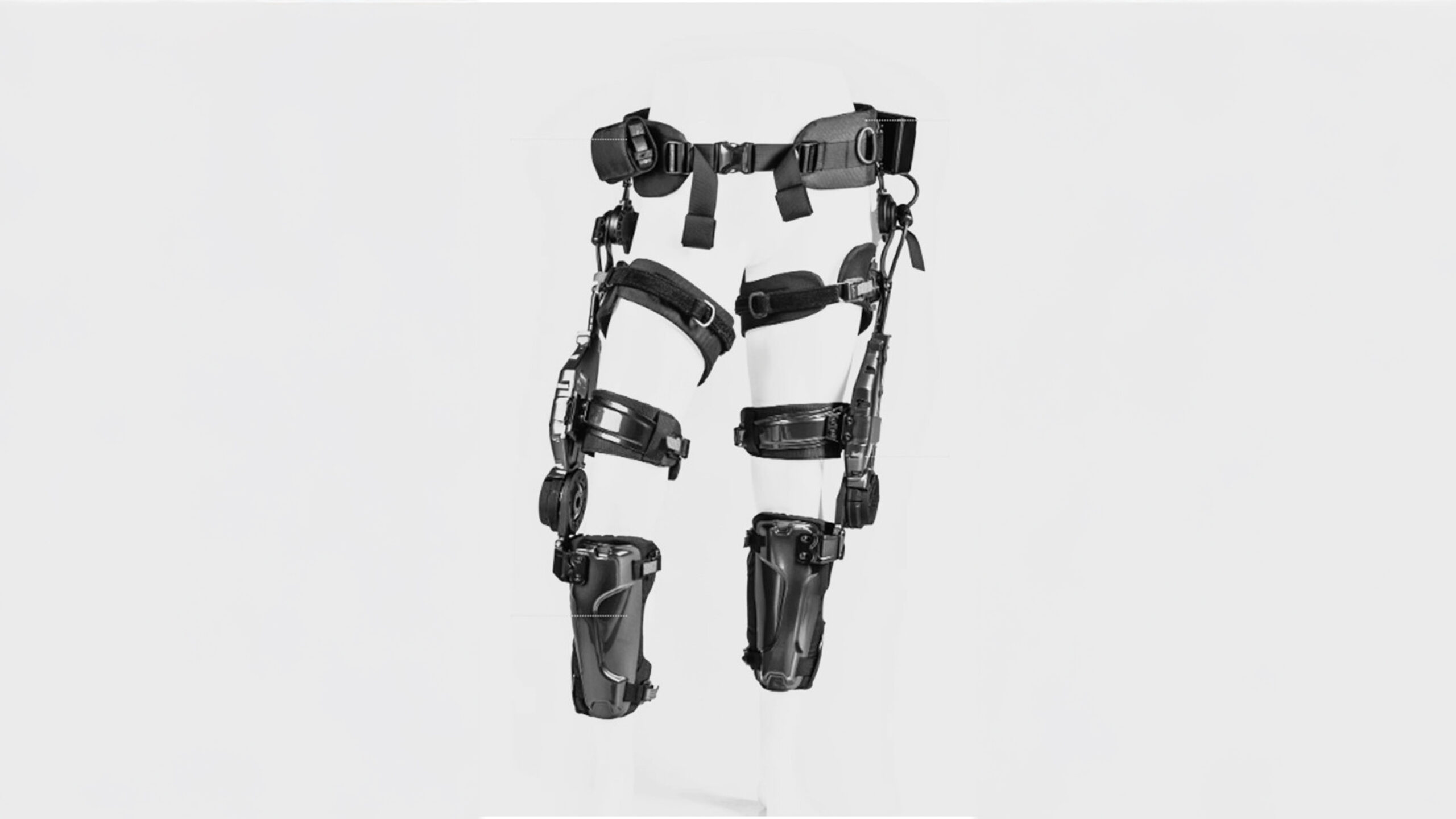
The Keeogo Dermoskeleton, or Keeogo, is a powered exoskeleton—worn on the legs—that assists at the knees during movements like standing, walking, and stair climbing. Unlike other robotic systems, the Keeogo only assists after the user initiates the movement themselves, helping to keep therapy active, movements natural, and the device intuitive to use. This design is especially important in stroke recovery, where active movement and repetition help retrain the brain and body.
The researchers enrolled 16 veterans with chronic stroke (more than six months after their injury), who could walk on their own but still had mobility limitations. Participants completed 36 outpatient therapy sessions over 12 weeks, training three times per week. All participants received the same moderate-intensity physical therapy focused on real-world tasks, including standing, walking, and climbing stairs. While half the group trained as per the current standards of stroke rehabilitation care (control group), the other half performed the same activities while wearing the exoskeleton.
The Keeogo delivered on the safety front, with researchers reporting no serious device-related injuries, and minor issues were resolved quickly without stopping training. Ten participants completed the full program, meeting the study’s feasibility goals, and those who finished attended every scheduled session.
Importantly, the device allowed participants to feel safer and more confident while walking and using stairs. Participants who used the Keeogo were able to:
- Stand up from a chair much faster, cutting the time needed to do so by about 20 seconds.
- Walk significantly quicker, with speed gains exceeding clinical benchmarks.
- Climb stairs more efficiently and descend stairs more confidently.
- Take longer steps using their weaker leg, indicating improved balance and gait symmetry.
While the control group findings showed that standard therapy alone led to some improvement, more consistent gains in transfer ability and gait speed were seen in the exoskeleton-assisted group. The researchers note that, although additional studies in larger populations are needed, these preliminary findings show promise that robotic exoskeletons can be safely integrated into outpatient stroke rehab and may enhance recovery and everyday mobility.
In addition to researchers from the Department of Physical Therapy, New York Tech, and the Spinal Cord Damage Research Center, James J. Peters VA Medical Center, the study’s co-authors included rehabilitation and spinal cord injury experts from the Icahn School of Medicine at Mount Sinai in New York, N.Y.