 By
By
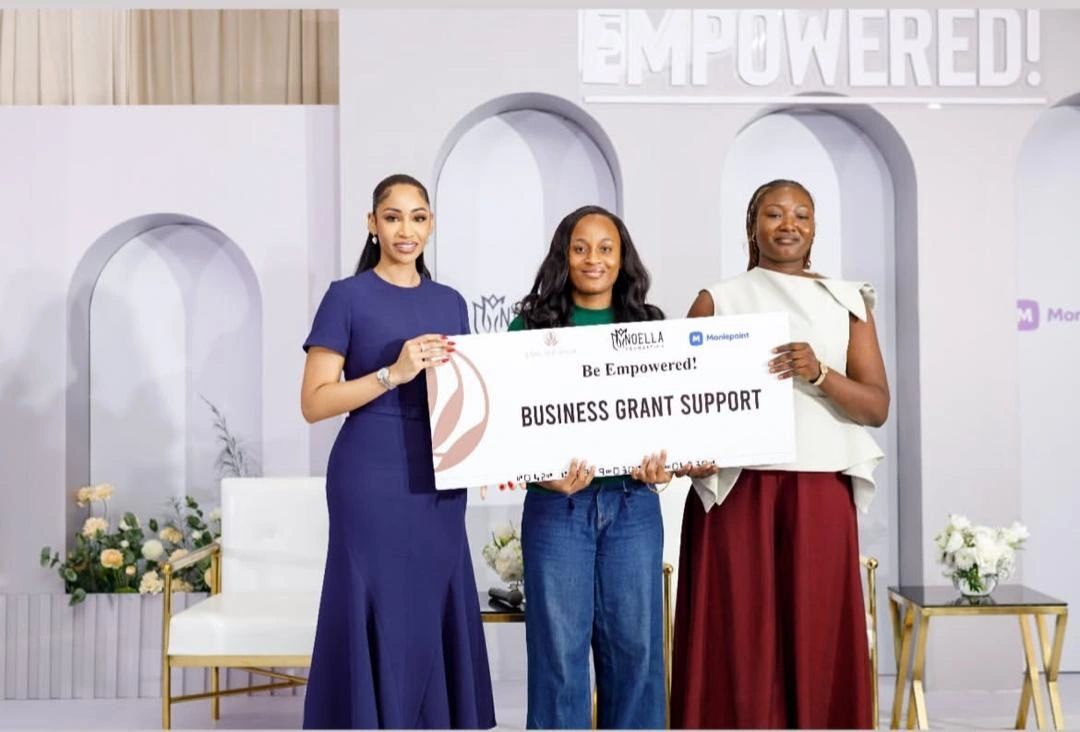
Boldcare Prosthetics has been reported as the recipient of grant support aimed at helping advance rehabilitative care in Nigeria, a development that reflects the growing importance of locally led prosthetics, orthotics, and rehabilitation services in one of Africa’s largest healthcare markets.
While I was not able to independently verify the full original article text from the linked ThisDay page, related public references confirm Boldcare Prosthetics as an active prosthetics provider in Nigeria and associate Bukola Omotosho with commentary on amputee care, inclusion, and long-term rehabilitation needs. (ThisDay Live, Poidata)
The significance of the reported grant goes beyond one organisation. In Nigeria, demand for prosthetic, orthotic, and rehabilitative services continues to outpace available specialist infrastructure in many parts of the country. That means any funding directed toward service expansion, technology, training, or patient access can have an outsized impact, especially when it strengthens providers already working close to patient need.
From an O&P perspective, grants of this kind matter because rehabilitative care is rarely just about supplying a device. Effective care depends on a wider pathway that includes assessment, fitting, therapy, gait training, follow-up, adjustment, and ongoing support. In markets where many patients still face financial, geographic, and awareness barriers, additional funding can help providers build more complete and sustainable care models rather than delivering only one-off interventions.
Nigeria has seen growing activity in this space, with providers and nonprofits alike pushing for more accessible mobility services, wider geographic reach, and stronger patient-centred support. Recent sector activity has included the expansion of prosthetics and orthotics centres in Nigeria by other operators, alongside broader advocacy for more inclusive support for amputees and people living with disability. (BusinessDay, Vanguard)
For IMEA CPO readers, the Boldcare story highlights an important trend: the future of rehabilitation access in emerging markets will depend heavily on locally anchored providers that can combine clinical care, technical expertise, and sustainable business or donor-backed models. This is especially true in countries where imported component costs, uneven insurance coverage, and limited specialist distribution continue to restrict access to quality care. That conclusion is an inference based on the wider Nigerian market context and the recurring themes seen across prosthetics and rehabilitation coverage in the region. (BusinessDay, ThisDay Live)
There is also a strategic lesson here for the broader IMEA market. When grants support rehabilitation providers, the best long-term outcomes usually come not just from subsidising products, but from strengthening capacity, clinician training, service systems, patient follow-up, and community reach. In that sense, the reported Boldcare grant can be read as part of a larger shift toward building more resilient rehabilitative ecosystems rather than focusing only on isolated device delivery.
If the funding helps Boldcare expand clinical operations, technology, outreach, or patient affordability, it could contribute to a stronger model for Nigerian rehabilitative care, one that aligns closely with the needs seen across many IMEA markets where demand is high, access remains uneven, and locally relevant solutions are essential.
Impact on IMEA CPOs
- Reinforces the importance of local providers: Growth in rehabilitation access will increasingly depend on regional clinics and service companies, not only imported supply chains.
- Highlights funding as a growth lever: Grants can help providers expand services, upgrade technology, and improve affordability for patients.
- Supports integrated care models: The greatest impact comes when prosthetics funding also strengthens therapy, follow-up, and rehabilitation pathways.
- Signals investor and donor interest: Recognition of providers like Boldcare suggests wider interest in scalable rehabilitation solutions in Africa.
- Offers a model for other IMEA markets: Similar grant-backed clinic growth could be relevant in India, the Middle East, and other African countries.
- ThisDay Live article referencing Bukola Omotosho and amputee inclusion
- BusinessDay on prosthetics and orthotics centre expansion in Nigeria
- Vanguard on holistic support for child amputees in Nigeria
- Nigeria prosthetics and orthotics services market overview