 By
By
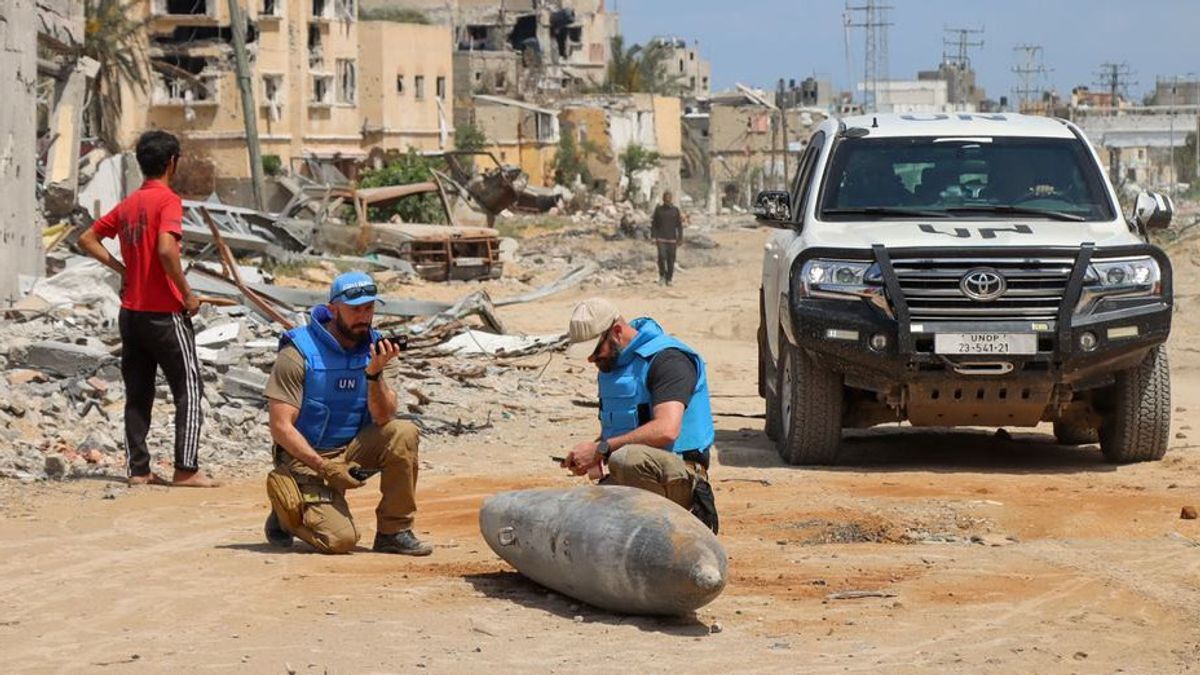
As of 16 April 2026, the rehabilitation picture across Gaza, Lebanon and Iran is becoming more serious, more complex and more regional in its implications. While each context is different, all three are now being shaped by the consequences of Israeli military action, either directly through strikes and ongoing violence or indirectly through the broader regional escalation and its effect on health systems, displacement, trade routes and supply chains.
For IMEA’s orthotic and prosthetic community, this is no longer only a humanitarian headline. It is also a rehabilitation systems issue. The region is seeing a combination of rising trauma-related disability, damaged service capacity, restricted access to components and materials, and increasing pressure on already limited clinical and technical workforces. That assessment is an editorial inference based on current reporting from Gaza and Lebanon, and on the broader economic and infrastructure disruption linked to the Iran conflict.
Gaza: amputee need is rising while prosthetic production is constrained
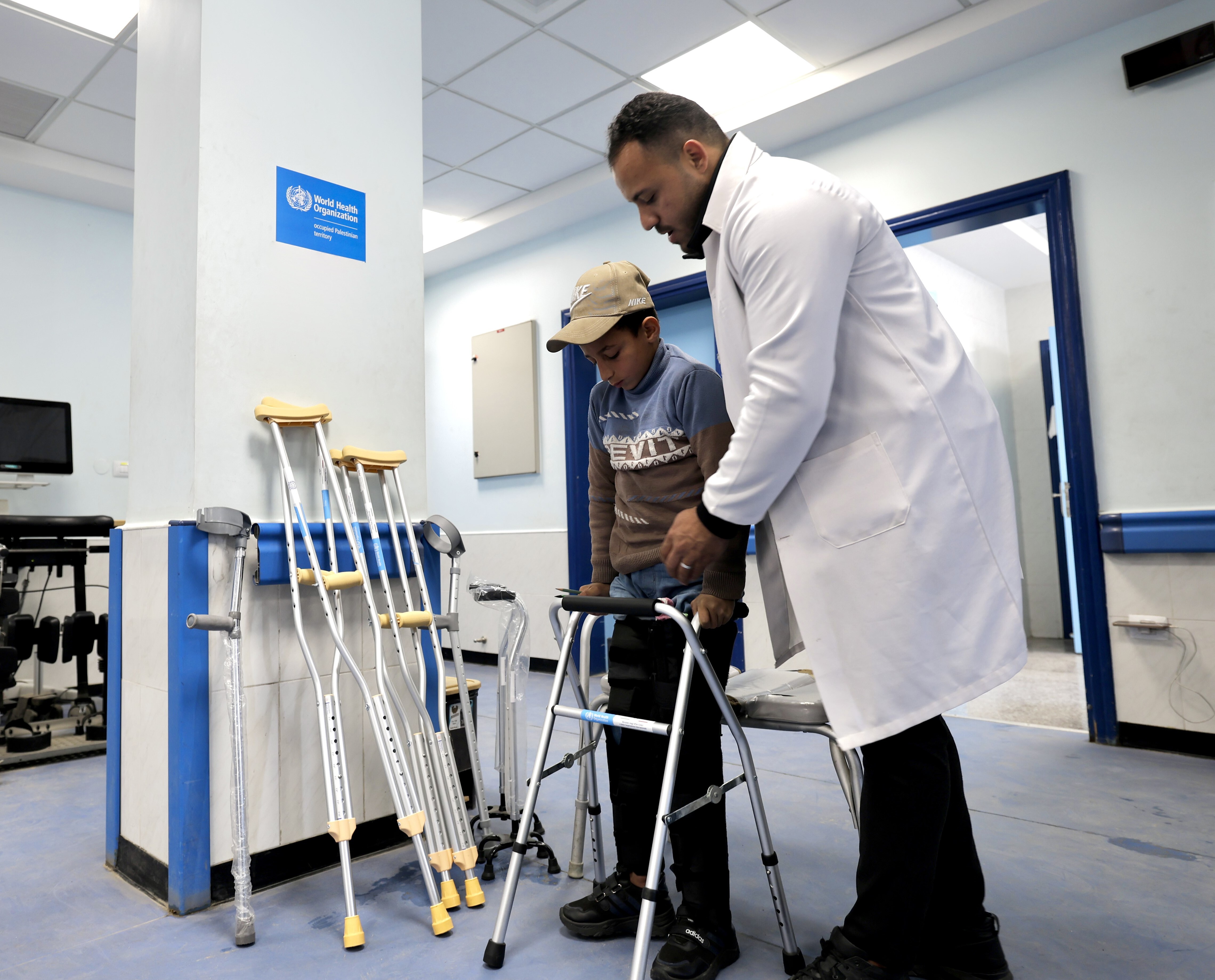
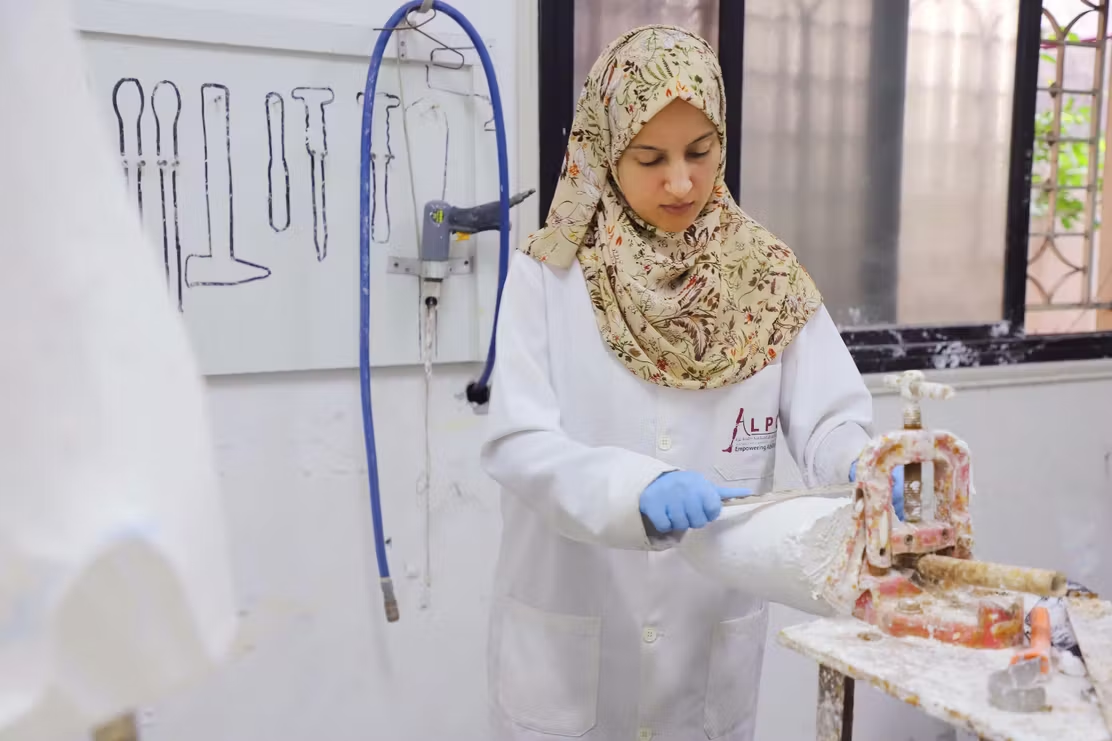
The clearest rehabilitation warning sign remains Gaza. Reuters reported today that Gaza has nearly 5,000 war amputees, with about a quarter of them children. At the same time, prosthetic service delivery is being choked by shortages of essential materials, including plaster of Paris used for socket casting. Reuters also reported that the International Committee of the Red Cross-backed Artificial Limbs and Polio Center expects existing plaster supplies to last only until June or July 2026.
The wider health context remains severe. OCHA said that between 2 and 8 April 2026, 20 Palestinians were killed, three died of earlier wounds, three bodies were retrieved and 97 people were injured, bringing the reported toll since the October 2025 ceasefire announcement to 736 fatalities and 2,035 injuries. OCHA also warned of worsening public health conditions in displacement sites, including widespread skin disease and pest exposure.
Reuters separately reported this week that Israeli fire killed 11 people in Gaza on 14 April, including two children, while another Reuters report said at least four Palestinians were killed on 13 April during a period of continued ceasefire talks. These incidents underline that even amid diplomacy, rehabilitation demand continues to grow.
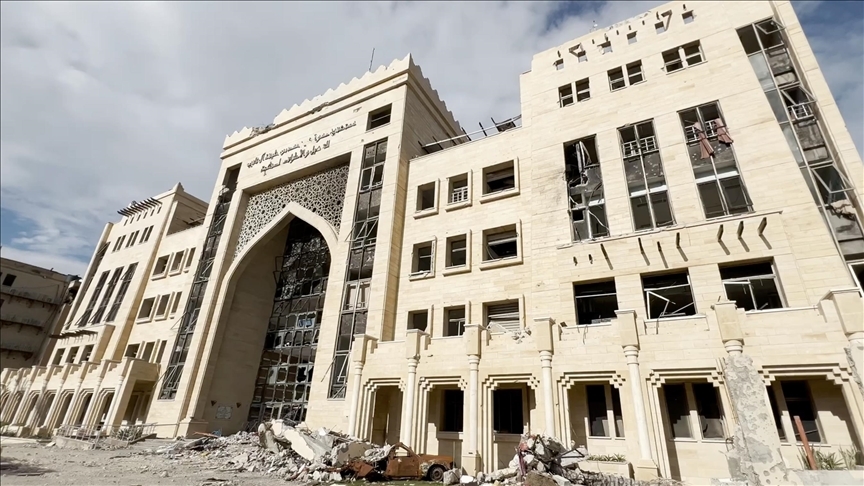
From an O&P perspective, Gaza’s problem is not only the number of amputees. It is the collapse of the full pathway required to restore function: casting materials, components, workshop continuity, follow-up care and specialist staff. Reuters reported that only eight prosthetists remain in Gaza, according to the World Health Organization.
Lebanon: mass casualty pressure is now colliding with medical supply depletion
In Lebanon, the current concern is the speed at which escalation is overwhelming health capacity. Reuters reported on 15 April that Israeli military operations against Hezbollah are continuing even as peace talks proceed, and that the conflict has killed more than 2,000 people in Lebanon and displaced about 1.2 million people since early March. Reuters also reported that Israel’s 8 April strikes were the heaviest of the current phase of fighting.
The health system strain is acute. Reuters reported on 9 April that the World Health Organization warned Lebanon’s hospitals could run out of essential trauma supplies within days after a surge of casualties consumed three weeks’ worth of trauma kits in a single day. WHO also warned of risks to routine supplies such as insulin and anaesthetics.
There are also troubling signs for emergency medical personnel. AP reported on 15 April that four Lebanese medics were killed and six wounded in successive Israeli airstrikes on emergency teams in southern Lebanon; Lebanon’s Health Ministry said 91 medical workers had been killed since the current war began.
For IMEA CPOs, the Lebanese situation matters because mass casualty phases often create a second-wave rehabilitation crisis after the headlines shift elsewhere. The immediate trauma response is visible first, but the later backlog in amputee care, orthotic support, mobility devices, contracture management and long-term rehabilitation can be just as system-breaking. That is an editorial inference, but it is strongly supported by WHO’s supply warning and the scale of current displacement and casualty reporting.
Iran: the humanitarian and rehabilitation impact is less visible, but the regional effect is already real
Iran’s situation is different. Current reporting is dominated less by prosthetic need and more by the wider effects of the U.S.-Israeli war on infrastructure, energy systems, trade and economic stability. Reuters reported on 15 April that Rystad Energy estimates up to $58 billion in damage to Middle East energy assets from the conflict, with Iran suffering the largest share at around $19 billion.
Reuters also reported that a coalition of finance ministers, including the UK’s Rachel Reeves, called for full implementation of a ceasefire in the Iran conflict because of its effects on growth, inflation, supply chains and energy security. Reuters noted that renewed fighting or disruption in the Strait of Hormuz could threaten global energy and trade flows.
For rehabilitation stakeholders, the Iran story is therefore not only about direct casualties. It is also about the regional aftershocks: more expensive logistics, delayed components, higher manufacturing costs, stressed public budgets and reduced import reliability across IMEA. That is an inference, but it is a well-grounded one given the documented pressure on trade, energy infrastructure and maritime movement.
Why this matters specifically to IMEA CPOs
Across IMEA, O&P professionals are likely to feel this crisis in three overlapping ways.
First, there is the direct humanitarian burden: more people needing prosthetic, orthotic and rehabilitation support in conflict-affected settings, especially in Gaza and potentially in Lebanon.
Second, there is the service delivery burden: facilities that remain open may face shortages of plaster, liners, feet, joints, consumables and trauma-related rehabilitation supplies, while referral pathways become fragmented. Reuters has already documented critical shortages in Gaza and WHO has warned of depleted trauma supplies in Lebanon.
Third, there is the regional market burden: the Iran conflict is already affecting trade confidence, shipping risk and input costs, which can feed through into O&P procurement and humanitarian response capacity well beyond the immediate conflict zones.
A call to action for IMEA CPOs
This is the moment for IMEA’s CPO community to respond in a coordinated, professional and visibly humanitarian way.
1. Speak clearly for protection of rehabilitation services.
Professional bodies, clinics, workshops, suppliers and educators across IMEA should publicly call for protection of civilians, medical workers, rehabilitation centres and assistive technology supply lines in Gaza and Lebanon. The killing of medics in Lebanon and the restriction of prosthetic materials into Gaza make that advocacy urgent.
2. Support vetted rehabilitation partners already on the ground.
Where possible, direct support should go to organisations with proven rehabilitation delivery capacity, such as the ICRC, Humanity & Inclusion, and relevant UN humanitarian channels, rather than fragmented ad hoc efforts. This is an editorial recommendation based on the documented role of such organisations in current response activity.
3. Prepare for a prolonged prosthetics and orthotics backlog.
The region should assume that demand for prosthetic, orthotic and mobility support will continue to rise even if violence slows. Gaza’s amputee burden and Lebanon’s trauma load both point toward future rehabilitation bottlenecks. Clinics and suppliers in safer neighbouring markets should start mapping how they could support referrals, remote consultation, component donations or technical assistance.
4. Document material shortages and supply chain risks now.
IMEA distributors, workshops and NGOs should start documenting current lead times, casting material availability, foot and knee stock, liner access and freight disruptions. That data will matter for donor engagement and for building an evidence-based humanitarian procurement response. This is an editorial recommendation grounded in the current reporting on material shortages and shipping risk.
5. Use the IMEA CPO platform to coordinate, not just comment.
There is room for a more practical regional response: shared shortage alerts, a live list of available components, remote mentoring offers, bilingual technical guidance, and a directory of rehabilitation actors able to accept support or referrals. The current crisis is broad enough that the profession will be more effective if it acts as a network rather than as isolated organisations.
The sector cannot afford to look away
What is happening in Gaza is already a rehabilitation emergency. What is happening in Lebanon is rapidly becoming one. What is happening in Iran is reshaping the economic and logistical environment in which rehabilitation systems across IMEA operate. Those are different forms of crisis, but they are connected.
For IMEA CPOs, neutrality should not mean silence. It should mean staying evidence-led, humanitarian in focus, and unwavering about the right of civilians to access rehabilitation, prosthetic care and assistive technology even in conflict. That final point is an editorial conclusion, but it is consistent with the rehabilitation access issues now documented across the region.
- Reuters: Gaza’s war amputees short of prostheses under Israeli restrictions
- OCHA oPt: Humanitarian Situation Report, 10 April 2026
- Reuters: Lebanon’s hospitals may run out of vital medical supplies within days, WHO warns
- Reuters: Israeli military continues to strike Hezbollah amid Lebanon peace talks
- Reuters: Finance ministers call for full Iran war ceasefire
- Reuters: Middle East war damage to energy assets may cost up to $58 billion
- ICRC – Physical Rehabilitation Programme
- Humanity & Inclusion