
 By
By
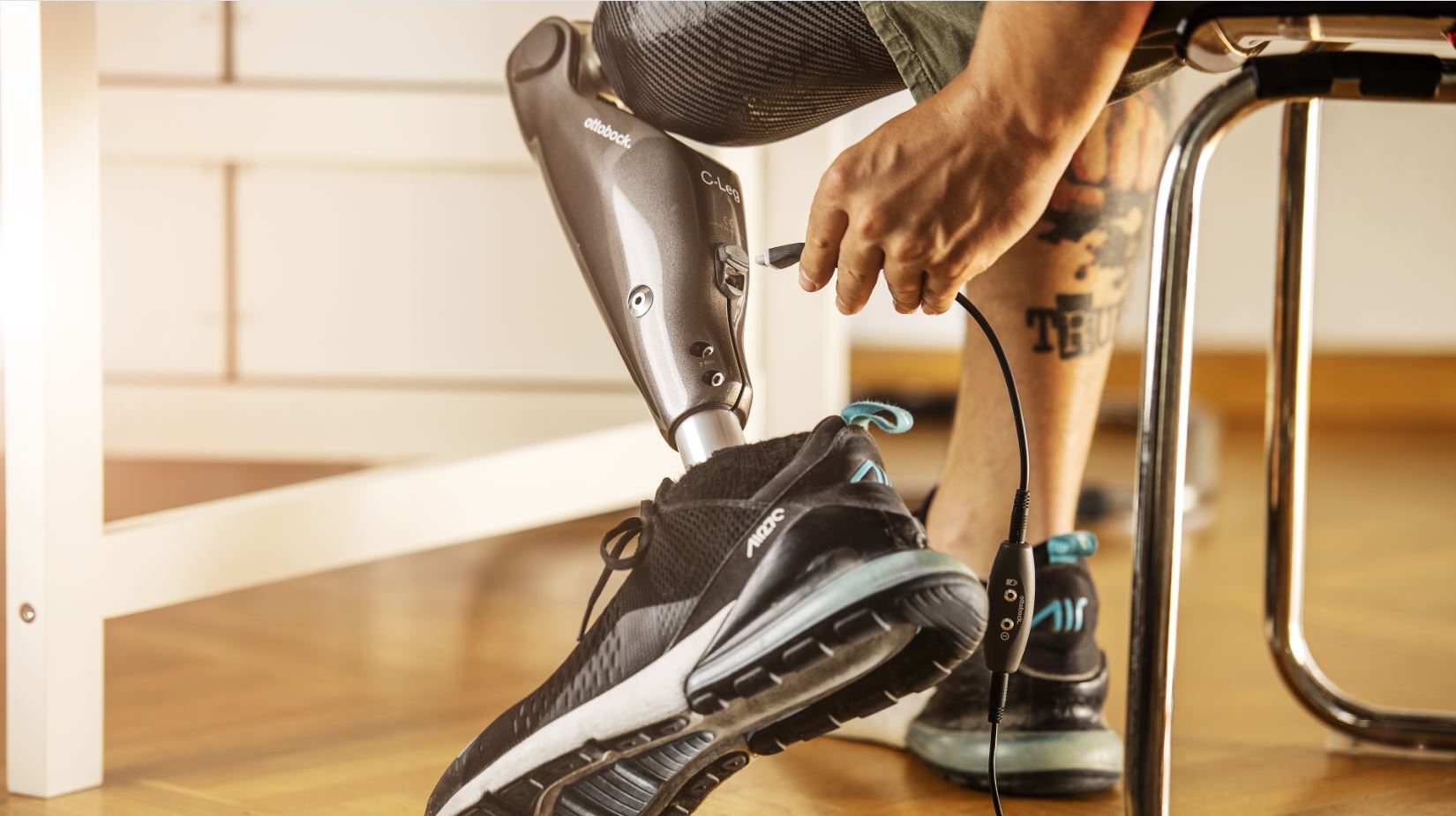
A team of researchers evaluated outcomes associated with the Ottobock C-Leg 4.0 and Össur’s Rheo Knee (model RM7) and Power Knee (model PKA01) microprocessor-controlled prosthetic knees (MPKs) after real-world use.
Ten patients with transfemoral amputations were fitted and trained on the devices and used each one for one week.
The primary outcome measures were the 10-Meter Walk Test (10MWT), the 2-Minute Walk Test (2MWT), and the Prosthesis Evaluation Questionnaire (PEQ). Secondary outcomes were stance time asymmetry, physiological cost index, stair and ramp speeds, the narrowing beam walking test, and community ambulation monitoring.
According to the study, participants walked 11 percent faster in the Rheo Knee than in the Power Knee during the 10MWT. In the 2MWT, participants walked 12 percent faster in the C-Leg and 9 percent faster in the Rheo Knee than in the Power Knee.
On the PEQ, participants reported greater satisfaction with C-Leg compared to the Power Knee. Ramp ascent speed was 8 percent faster in the Rheo Knee than in the Power Knee. No significant differences were found for other secondary outcomes. Notably, the authors wrote, ten of 12 outcomes showed individuals performing their best by a defined difference on an MPK different from the cohort’s best-performing MPK.
The open-access study, “Toward personalizing prosthesis prescription: A take-home study of three microprocessor-controlled prosthetic knees: A randomized crossover study,” was published in Physical Medicine & Rehabilitation.





.jpeg)

-1.png "Gaza Fund (1)-1")