 By
By
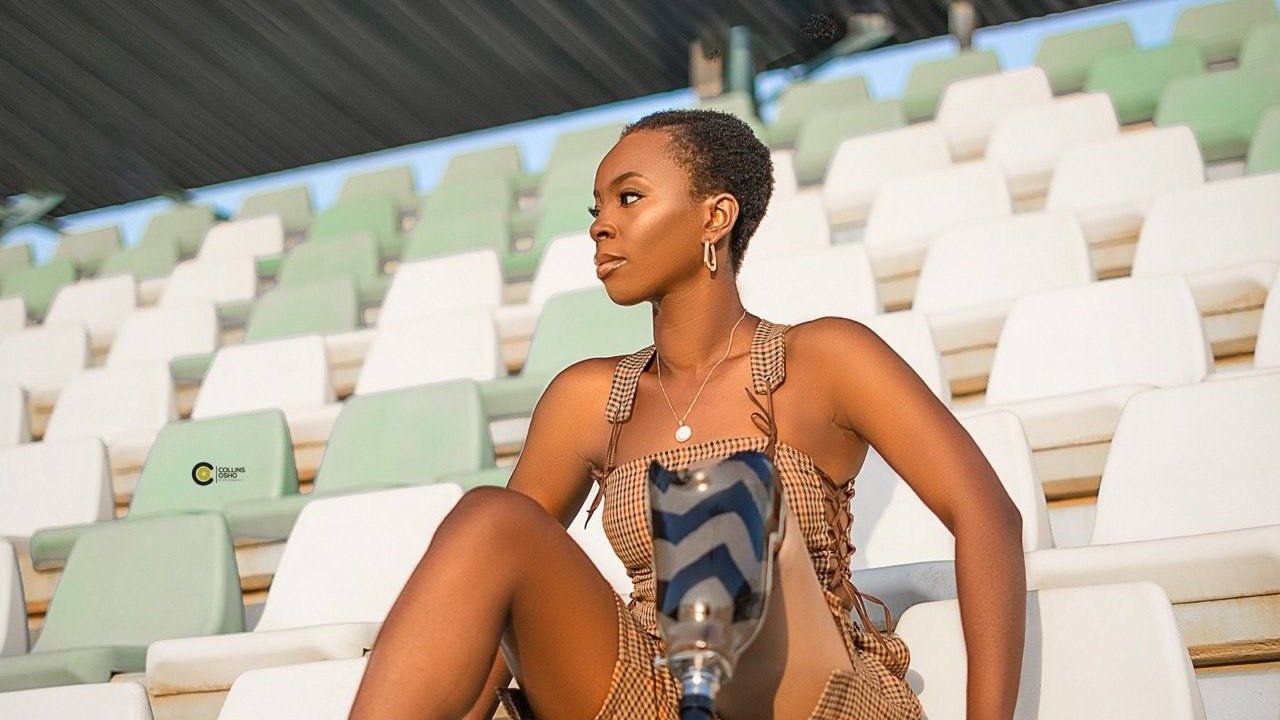
The first time I walked again, it felt like a miracle, until I realized that miracles can sweat too.
I remember walking a long stretch under the Abuja sun, the ground shimmering with heat, my body determined to move. But halfway through, I had to stop. The sweat beneath my silicone liner had built up so much that every step began to feel like friction, like fire trapped between skin and plastic.
I stopped.
Pulled the liner.
Dried my leg.
Waited for air.
Then started again.
That rhythm (walk, stop, dry, breathe, walk) is one that most people will never see. It’s not dramatic. It’s just real. And it’s the kind of reality that gets lost when products are designed without us in the room.
This year’s International Prosthetics and Orthotics Day is themed “PRODUCTS.”
And that word “products” carries so much weight for people like me.
Because a prosthetic is not just a product. It’s a partner. It’s a body you have to negotiate with every day. There are days it disagrees with your body.
And when that product doesn’t understand the hotness in Africa, our terrain, the color of our skin, or the rhythm of our walk, it becomes both a blessing and a burden.
In Africa, most of our prosthetic products are imported, brilliant, functional, but foreign. Not designed for our humidity, our roads, our sunlight.
They weren’t made for brown skin that glows under the sun or red dust that clings to every surface.
The default prosthetic foot tone? Too pale.
The “darker” option? Still not ours.
Somewhere between “too white” and “too black,” African amputees are left unrepresented, even in color.
So yes, we walk again. But sometimes, we walk in discomfort.
We walk in heat.
We walk in tones that don’t look like us.
And still, we walk.
I think it’s time we start designing prosthetics that understand Africa.
Products that consider the climate, materials that can breathe through the sweat and heat.
Products that match our tones, so people stop asking why your leg looks “imported.”
Products that are accessible, not just available in catalogs, but affordable, repairable, and reachable in every state and region.
And beyond the physical, we need more awareness.
So many people in Africa still don’t know that prosthetic devices exist. Even in cities like Abuja or Lagos, I get stopped by people shocked saying, “I never knew something like this was possible.”
That sentence should not still exist in 2025.
In Kenya, organizations like Circleg are already bridging this gap, creating awareness, building communities, empowering the community beyond limbs, showing people that technology and dignity can meet. We need that same energy across the continent, from Accra to Addis Ababa, Lagos to Lusaka.
Because representation begins with awareness. You cannot desire what you do not know exists.
But there’s another truth that’s often left out of these celebrations:
Not every amputee wants or can use a prosthetic.
Some people choose crutches. Some prefer wheelchairs. Some walk on one leg and find peace that way.
And it’s not because they’ve given up, it’s because prosthetics can be hard.
Heavy.
Hot.
Painful.
Especially for people with upper-limb or bilateral amputations, or those whose sockets never quite fit right.
So shaming them for not wanting it or even comparing them to those who chose to use it is wrong; we need to respect that choice.
Advocacy for prosthetics shouldn’t shame those who opt out.
Inclusion means accepting different forms of movement.
Because whether we walk, roll, or crawl, we are all moving toward dignity.
To the prosthetists and orthotists reading this, THANK YOU!
Your desire to create impactful innovations and your hands has rebuilt what loss once took away. You turn raw material into confidence. But we need your innovation to meet our context.
Come closer.
Listen to the stories hidden under the sockets and liners.
Co-create with us.
Because the future of prosthetics will not be imported, it will be born here, in the places where the heat rises, the skin tones deepen, and the roads are red with dust.
This International Prosthetics and Orthotics Day, I celebrate:
- The makers redefining mobility,
- The users who walk through the heat,
- And the dreamers daring to build for Africa, in Africa, by Africans.
Mobility is more than a function; It’s identity in motion.
And the future of prosthetic products must walk with Africa’s rhythm built into their design.
I dream of a future where every African amputee in Africa walks with pride, not in borrowed technology, but in tools shaped by our own genius.
If you believe in that future too, reshare this post. Amplify it. Talk about it. Fund it. Teach it. Build it.
Because Africa’s next invention is already walking among us, it just needs to be seen.
By Eva Chukwunelo
.jpeg)

-1.png "Gaza Fund (1)-1")