 By
By
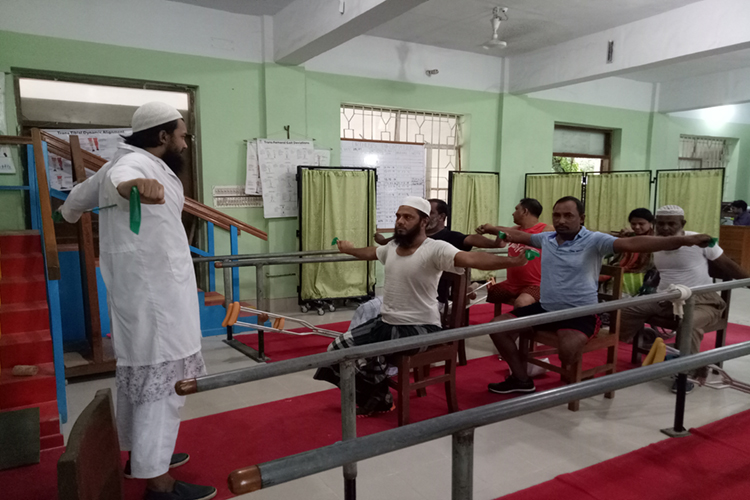
Bangladesh (POP: 176m) is one of South Asia’s most important and fastest-growing environments for orthotics, prosthetics, and rehabilitation services, shaped by a large population, increasing rates of non-communicable disease, and significant injury burden. Demand is driven by diabetes-related complications, trauma (including road traffic injuries), stroke-related disability, congenital conditions, and long-term mobility impairment—all of which contribute directly to the need for prosthetic limbs, orthotic bracing, diabetic foot devices, and long-term therapy.
Much like other healthcare systems rebuilding and expanding service capacity across IMEA, Bangladesh’s O&P sector faces a familiar challenge: the need to strengthen not only the supply of devices, but the full rehabilitation pathway—assessment, fitting, physiotherapy, follow-up, and long-term outcomes.
Prevalence & Demand Drivers (Key Statistics)
Diabetes
Bangladesh’s diabetes burden is significant and rising. The International Diabetes Federation estimates:
- 13.2% diabetes prevalence among adults (20–79 years)
- ~13.9 million adults living with diabetes (2024)
This directly increases the demand for diabetic foot orthoses, protective footwear, Charcot management, and prevents/delays major amputations through earlier intervention.
Stroke
Stroke is a major disability driver in Bangladesh, increasing demand for:
AFOs, KAFOs, shoulder subluxation supports, mobility aids, and long-term neurorehabilitation.
Published estimates commonly report:
- Stroke prevalence around 300 per 100,000 people (0.3%)
- Other national research suggests prevalence close to 1.10% in pooled findings
Persons with Disabilities
Bangladesh has also invested in national disability measurement efforts. Government-linked statistical reporting indicates:
- 2.80% of the total population identified as persons with disabilities (with higher disability rates in rural areas)
(Note: disability estimates vary significantly by methodology, definitions, and survey tools.)
Amputations
Reliable national amputee population totals are difficult to standardise, but published clinical research indicates substantial amputation burden, driven by vascular disease, trauma, infection, and diabetes-related complications. A long-term hospital-based review reported amputation incidence in a defined population and showed vascular causes as dominant.
Bangladesh O&P System Snapshot
Bangladesh’s orthotic and prosthetic ecosystem includes:
- Large rehabilitation hospitals and specialist centres
- NGO-supported programmes improving affordability and outreach
- A growing number of private limb centres and orthotic clinics
- Increasing need for regional access outside Dhaka
- Strong demand for lower-limb prosthetics, especially transtibial devices, plus high-volume orthotics
Top Orthotic & Prosthetic Service Providers in Bangladesh
Below is a practical list of recognised providers supporting O&P and rehabilitation delivery across the country:
1) Centre for the Rehabilitation of the Paralysed (CRP)
One of Bangladesh’s most established rehabilitation organisations, CRP delivers orthotic and prosthetic services alongside comprehensive therapy support and patient follow-up pathways.
2) Easy Life for Bangladesh
A major Dhaka-based provider with a strong focus on orthotics, prosthetics, mobility aids, and clinical services.
3) Dynamic Limb Center (DLC)
A visible private-sector limb provider offering prosthetic limbs, orthotic devices, and mobility products to a broad patient base.
4) Nalta Hospital – Prosthetic & Orthotic Center
An important regional centre helping expand access beyond the capital, supporting patients who otherwise face long travel distances for care.
5) TMCRCH – Prosthetic & Orthotic Limb Center
A service model focused on accessibility, affordability, and continued rehabilitation support for patients requiring limb replacement and bracing solutions.
Key Challenges
Bangladesh continues to work through common system-level constraints seen across IMEA:
- Unequal rural access and travel barriers
- Cost sensitivity and limited coverage pathways
- Variable consistency in materials/components
- Workforce pressure (high caseload, limited specialist capacity)
- Need for stronger long-term follow-up and outcomes tracking
Growth Opportunities (What Comes Next)
Bangladesh has strong potential to scale O&P access further through:
- Diabetic foot prevention pathways (orthoses + footwear + screening)
- Faster turnaround via digital workflows (scan → design → manufacture)
- Regional service expansion and mobile clinics
- Standardising clinical outcomes and brace/prosthetic quality benchmarks
- Local manufacturing and stronger supply reliability for consumables and components
IMEA CPO Outlook
Bangladesh is positioned as a high-impact rehabilitation market, where strengthening orthotics and prosthetics services will directly influence national outcomes for diabetes complications, stroke recovery, trauma rehabilitation, and long-term disability inclusion. With continued development of workforce capacity, regional access, and consistent device quality, Bangladesh can become a model for scalable rehabilitation delivery across South Asia.