 By
By
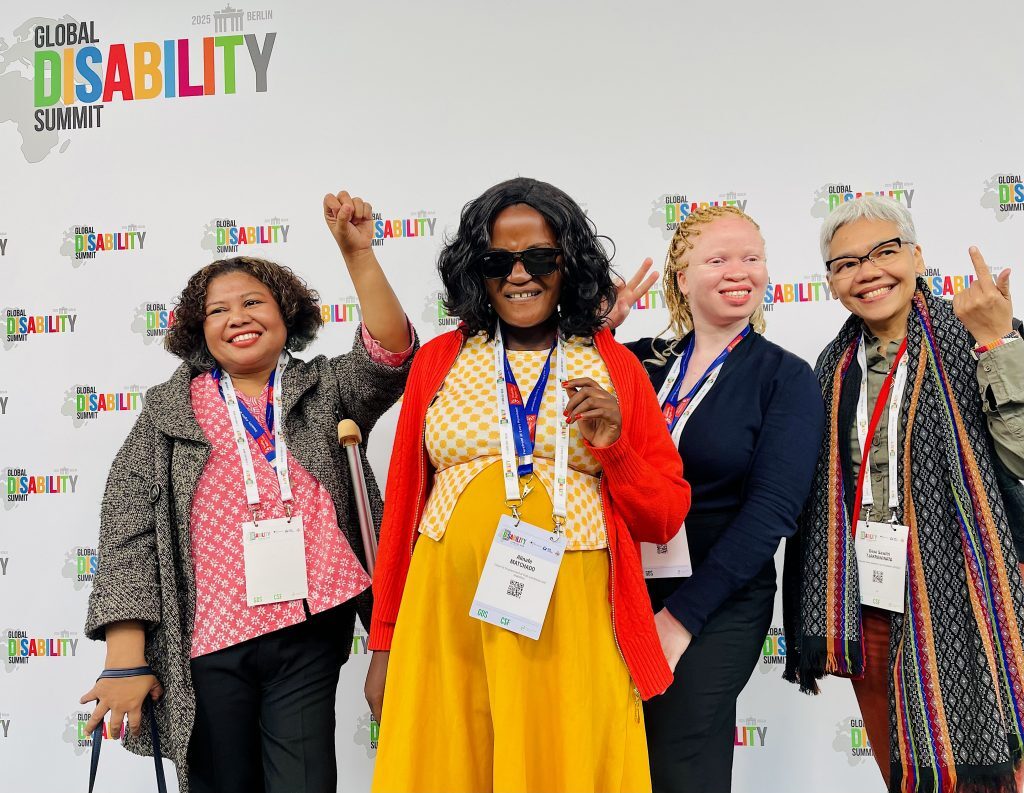
Organisations of persons with disabilities (OPDs) across Africa will soon have a major new funding opportunity to strengthen advocacy, movement-building, and implementation of disability rights. The Disability Rights Fund (DRF) has confirmed that its 2026 grant round will open at the end of May 2026, with Letters of Interest due by 21 June 2026.
For many disability-led organisations in the region, this round could become one of the most important funding windows of the year. With demand for disability rights funding continuing to outpace available resources, early preparation will be essential for African OPDs hoping to compete successfully. DRF’s own reporting shows that more than 2,000 Letters of Intent were received in the previous cycle, underlining both the scale of need and the high level of interest.
What is the Disability Rights Fund?
The Disability Rights Fund is a pooled grantmaking mechanism focused on supporting organisations of persons with disabilities around the world. Together with its sister organisation, the Disability Rights Advocacy Fund (DRAF), it supports disability-led efforts linked to rights, inclusion, and implementation of frameworks such as the UN Convention on the Rights of Persons with Disabilities (CRPD), the Sustainable Development Goals, and other related international and regional commitments.
A defining feature of DRF is its emphasis on disability-led governance. The fund is designed to back organisations led by persons with disabilities, rather than projects speaking on behalf of them. Its public grants directory also shows a long-running commitment to transparency, with grant records available from 2008 through 2024.
Key dates for the 2026 grant round
According to DRF’s official grantseeker information, the 2026 annual round for OPDs in sub-Saharan Africa will follow this timeline:
- Portal opens for Letters of Interest: Saturday, 30 May 2026
- Deadline for Letters of Interest: Sunday, 21 June 2026 at 23:59 ET
- Invitations for successful LOIs: Tuesday, 28 July 2026
- Deadline for full applications for invited organisations: Sunday, 23 August 2026
- Final grant decisions: December 2026
- Successful projects begin: 1 January 2027
For African disability organisations, these dates make this an important planning period. Teams that wait until the portal opens may already be behind.
What funding streams are available?
DRF and DRAF currently administer three main funding streams. These are designed to support organisations at different levels of scale, from local disability-led groups to broader national coalitions. Official guidance states that the streams include:
- Small Grants: USD 10,000 to USD 30,000 per year, with up to USD 60,000 for two-year grants
- Mid-Level Coalition Grants: USD 30,000 to USD 50,000 per year, with up to USD 100,000 for two-year grants
- National Coalition Grants: USD 40,000 to USD 60,000 per year, with up to USD 120,000 for two-year grants
Small Grants are especially recommended for first-time applicants, as well as grassroots, rural, newly established, and underrepresented disability groups.
Who can apply?
Eligibility is tightly focused on organisations of persons with disabilities. Based on the source article and DRF’s official grantseeker guidance, applicants in Africa generally need to be disability-led entities operating in eligible sub-Saharan African countries and proposing work aligned with rights-based frameworks such as the CRPD.
The Able Path Africa article also notes several important exclusions. DRF does not fund individuals, building accessibility capital projects, service provision, income generation projects, or legislative lobbying through DRF itself, as lobbying activity falls under DRAF. It also states that organisations seeking to lead coalition grants must themselves be OPDs.
Why this matters for Africa’s disability movement
Across Africa, many OPDs continue to work with limited staffing, fragile funding pipelines, and growing advocacy demands. This makes flexible, disability-led grant support especially valuable. The source article highlights that dedicated funding remains one of the most persistent barriers facing OPDs, while DRF’s own 2025 reflections point to both strong demand and substantial unmet need.
For organisations working on inclusive education, accessibility, legal rights, public policy, movement building, or implementation of CRPD commitments, the 2026 round offers more than financial support. It also creates a pathway for disability-led organisations to strengthen visibility, deepen coalitions, and build longer-term advocacy strategies. That is particularly relevant in African markets where disability rights progress often depends on under-resourced civil society actors pushing for systemic change.
How African OPDs should prepare now
The strongest applicants are likely to be those that begin preparation well before the submission window opens. Based on the official criteria and the practical guidance highlighted in the source article, African OPDs should focus on several priorities now:
- Review how the proposed project aligns with the CRPD
- Make disability-led governance and leadership structure clear
- Clarify whether the proposal is best suited to a small grant or a coalition grant
- Prepare core organisational documentation and financial information
- Consider coalition-building early if applying at sub-national or national level
- Monitor DRF announcements closely so no deadlines are missed
For first-time applicants, the recommendation toward Small Grants is especially important, as it may improve strategic fit.
A funding opportunity worth close attention
For disability-led organisations across Africa, the DRF 2026 grant round is shaping up to be a significant opportunity. With the portal scheduled to open on 30 May 2026 and competition likely to remain high, the next few weeks are likely to be decisive for organisations aiming to secure support.
For the African disability sector, the wider message is equally important: rights-based, disability-led advocacy remains a priority area for international funders, but only a fraction of organisations seeking support will ultimately receive it. That makes preparation, positioning, and clarity of mission more important than ever.