 By
By
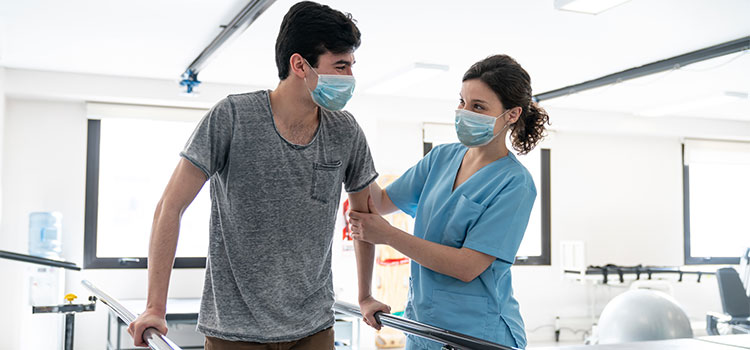
The role of the nurse practitioner in orthopaedics is becoming increasingly important across the Middle East, reflecting a wider regional shift toward more multidisciplinary, patient-centred care. As healthcare systems grow more complex, patient volumes rise, and expectations around outcomes and experience continue to increase, the case for highly skilled advanced practice nurses is becoming stronger, not weaker. WHO describes integrated people-centred care as an approach that brings care closer to people, strengthens shared decision-making, and builds a more connected relationship between patients, providers, and health systems.
Traditionally, many care pathways in the region have been strongly physician-led. That model remains central, but it is no longer enough on its own in every setting. Orthopaedic services today require continuity, efficiency, education, follow-up, and rehabilitation coordination at a level that increasingly depends on strong team-based care. The International Council of Nurses’ advanced practice nursing guidance explicitly frames advanced practice nurses as part of the response to changing healthcare demands, service restructuring, and unmet patient needs.
For orthopaedics, this matters in practical ways. Nurse practitioners now contribute far beyond traditional bedside roles. They are increasingly involved in clinical assessment, early intervention, family education, pathway coordination, and continuity of care. They help patients and families understand diagnoses, treatment plans, recovery expectations, and home-based care needs. They can also improve clinic flow, reduce unnecessary delays, and help maintain a more consistent patient experience across the full course of treatment. WHO notes that quality health services are those that improve the likelihood of desired health outcomes and remain consistent with evidence-based professional knowledge.
That is especially relevant in orthopaedics and rehabilitation, where outcomes are rarely determined by surgery or diagnosis alone. Recovery often depends on whether patients and families understand how to manage casting, bracing, mobility restrictions, pain, rehabilitation exercises, follow-up appointments, and home care. Rehabilitation itself is an essential part of universal health coverage and supports people to remain as independent as possible in daily life, according to WHO.
In paediatric orthopaedics, the value of this role can be even more visible. Children do not move through care alone; parents and carers become part of the treatment pathway. That means communication, reassurance, and practical education are not side tasks. They are central to success. When nurse practitioners guide families clearly through treatment and recovery, they can have a direct effect on compliance, confidence, and functional outcomes. This is an inference, but it follows closely from WHO’s people-centred care framework and the nature of paediatric orthopaedic care.
The role also aligns well with the broader healthcare transformation agendas seen across the Gulf and wider Middle East, where systems are trying to improve access, efficiency, and patient experience while making better use of multidisciplinary talent. Advanced practice nursing is not a substitute for specialist physicians. It is a way of strengthening the whole pathway around them. The ICN’s NP/APN network and guidance both reflect how this role has matured internationally as healthcare systems seek better coordination and stronger service delivery.
This wider evolution is reflected in the recognition being given to professionals such as Tahani Alali, whose work is presented as an example of what orthopaedic nurse practitioners can contribute in practice. The positive feedback described from parents and colleagues points to something important: families often judge quality not only by clinical skill, but by how well they are informed, supported, and treated throughout the journey. Compassionate, knowledgeable, and patient-centred nursing care helps build trust, and trust is one of the foundations of better adherence and better recovery. This is an inference from the testimonial-based description provided, but it is fully consistent with WHO’s quality and people-centred care principles.
For IMEA CPO readers, this matters because orthopaedic outcomes are increasingly shaped by the strength of the full team around the patient. In many parts of the region, conversations about workforce development still focus mainly on physicians, surgeons, or technical specialists. But nurse practitioners are becoming an important part of how modern orthopaedic and rehabilitation services actually function: supporting assessment, improving coordination, educating families, and helping patients move more smoothly from diagnosis to treatment to recovery.
Why this matters
The growing role of orthopaedic nurse practitioners in the Middle East is not just a workforce trend. It is part of a broader move toward better coordinated, more patient-centred, and more rehabilitation-aware care. In that environment, advanced practice nurses can help improve service quality, strengthen family confidence, and support the kinds of recovery pathways that matter most in real life. For paediatric orthopaedics in particular, that contribution is becoming harder to ignore.