 By
By
Ethiopia is taking an important step toward strengthening its prosthetics and orthotics capacity through a new multi-phase training initiative focused on 3D printing and digital rehabilitation.
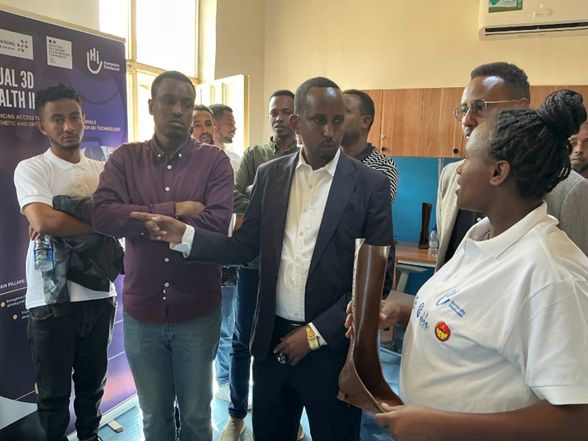
Handicap International – Humanity & Inclusion (HI) recently delivered a three-phase training programme on 3D printing for Prosthetics & Orthotics (P&O) across Ethiopia, with activities spanning Jigjiga, Mekelle and Addis Ababa. The programme brought together professionals from rehabilitation centres, universities and the Ministry of Health, helping create a stronger shared technical foundation for future development of digital and locally adapted assistive device services.
Over a total of 20 days, the initiative engaged 20 professionals, combining technical training with cross-institutional collaboration. By bringing together stakeholders from clinical practice, education and government, the programme aimed not only to build practical 3D printing skills, but also to strengthen alignment across the wider rehabilitation ecosystem.
That wider systems focus is one of the most significant aspects of the initiative. In many countries, 3D printing in O&P is still discussed mainly as a promising technology. In Ethiopia, this programme appears to have gone further by treating 3D not simply as a tool, but as part of a broader effort to strengthen national rehabilitation capacity.
Why 3D matters for prosthetics and orthotics
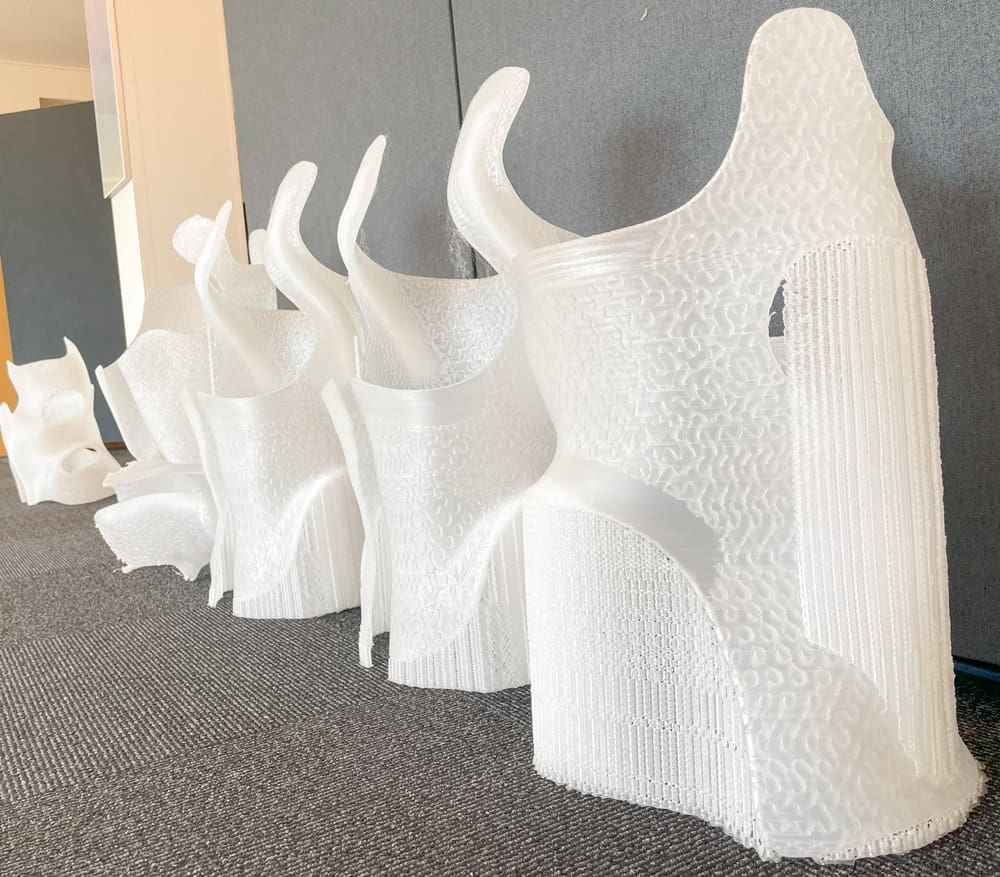
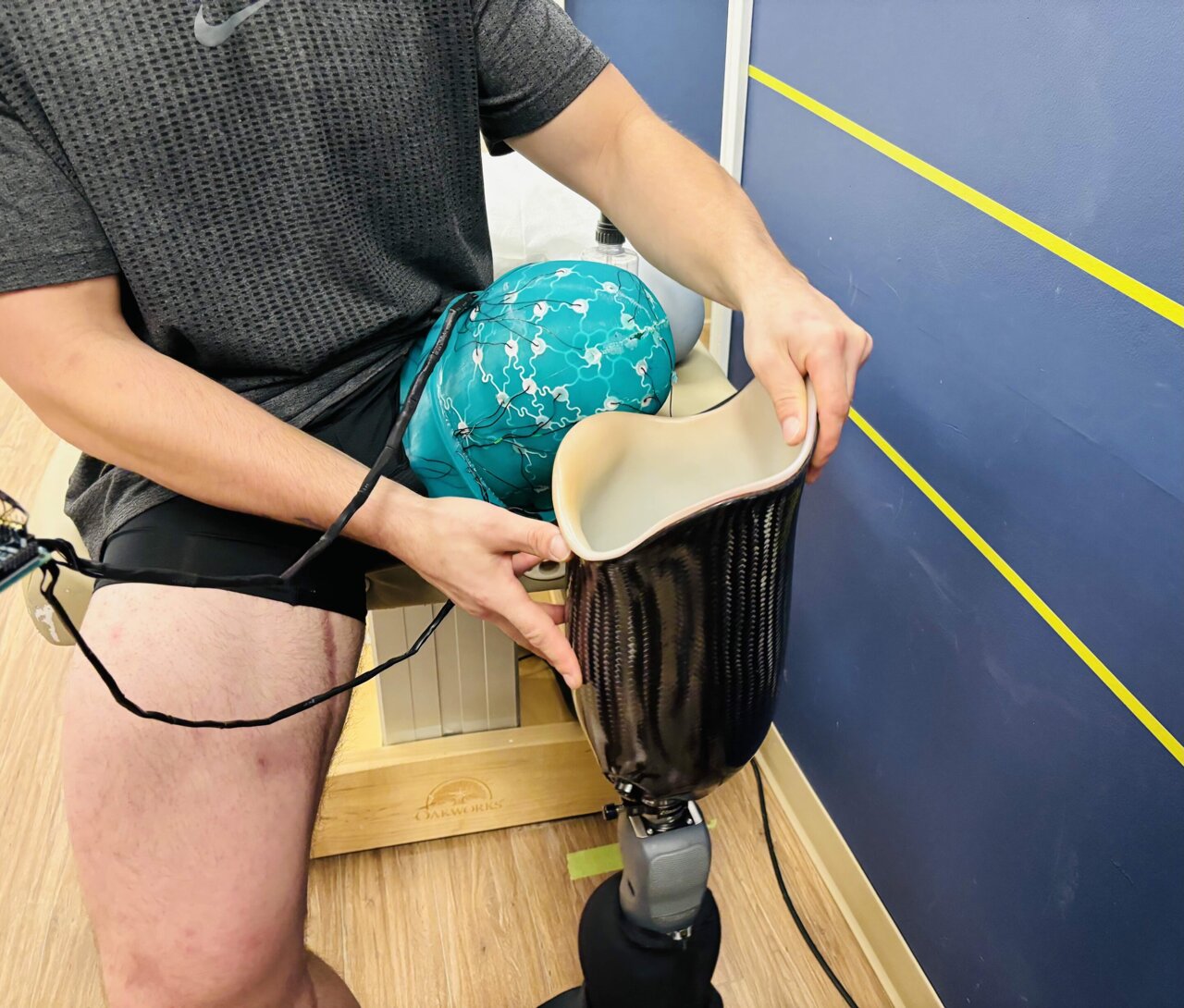
The case for 3D technologies in O&P is becoming increasingly clear. When implemented effectively, 3D workflows can help make assistive devices more affordable, faster to produce, and better adapted to local needs and service conditions.
For rehabilitation systems working under resource pressure, that matters. Technologies that support faster turnaround times, local fabrication and more flexible design pathways may help improve access to devices while also reducing dependency on slower or more expensive traditional supply routes. This is particularly relevant in contexts where service coverage remains uneven and demand continues to outpace available capacity.
From an IMEA CPO perspective, the Ethiopian initiative reflects a broader shift already visible across parts of Africa and other emerging markets: digital fabrication is increasingly being explored not just for innovation’s sake, but as a practical route toward stronger, more resilient rehabilitation delivery.
Bringing together clinicians, technicians and engineers
A particularly encouraging aspect of the programme was its multidisciplinary approach. Technicians, prosthetists and orthotists, and biomedical engineers trained together, helping bridge the gap between hands-on device provision, technical innovation, and system-level implementation.
That matters because successful adoption of 3D in O&P rarely depends on one profession alone. It requires clinicians who understand patient needs, technicians who can translate design into practical fabrication, and engineers who can support equipment, workflows and technical optimisation. Bringing these groups together during training increases the chances that new skills will be embedded more effectively into real service settings.
It also helps create a common language around digital rehabilitation, something that is often missing when new technologies are introduced in a fragmented way.
A collaborative national effort
The programme was implemented in collaboration with national and regional health authorities and supported by partners including JPRC, MOPC and EPOS. Funding support came from the Government of Luxembourg and the French Embassy.
That combination of local institutional involvement and international support gives the initiative added weight. Rather than a stand-alone workshop, it appears to form part of a broader effort to strengthen rehabilitation structures in Ethiopia through practical, context-adapted innovation.
According to the programme description, the initiative contributes to strengthening Ethiopia’s rehabilitation system in line with HI’s ambition to scale innovative, locally relevant solutions such as 3D technologies and digital rehabilitation.
What this means for Ethiopia’s rehabilitation future
For Ethiopia, this kind of programme could have implications far beyond the immediate training cohort. Building national capacity in 3D printing for O&P is not only about producing devices differently. It is about developing the technical confidence, institutional collaboration and workforce capability needed to support more modern and responsive rehabilitation systems.
For IMEA CPO readers, the Ethiopian example is worth watching closely. It shows how 3D can be positioned not as a disconnected pilot project, but as part of a structured effort to improve access, strengthen professional skills and support longer-term systems development.
In many markets, the real challenge is no longer proving that digital tools can work. It is building the partnerships, training pathways and institutional support needed to make them sustainable. Ethiopia’s latest initiative suggests that this process is starting to take shape in a serious and coordinated way.