 By
By
Kyrgyzstan has taken a major step in modernising its rehabilitation services by introducing 3D scanning and 3D printing technology for prosthetic and orthotic manufacturing. Officials say the country has become the first in the Commonwealth of Independent States (CIS) to implement digital production methods in its national prosthetics system.
Original article:
https://akipress.com/news:883473:Kyrgyzstan_becomes_first_CIS_country_to_introduce_3D_technology_in_prosthetics_-_Ministry_of_Social_Security/
Modern Equipment Installed at National Prosthetics Centre
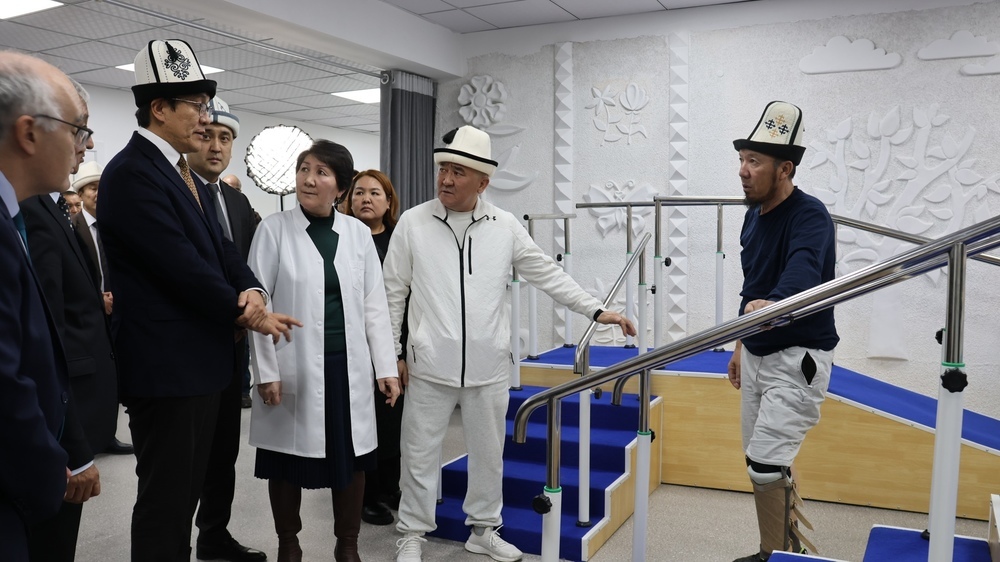
The new technology was presented at the national prosthetic-orthopaedic institution operating under the Ministry of Labour, Social Security and Migration. The facility recently received French-made 3D scanning and 3D printing equipment as part of a government-funded modernisation programme valued at approximately €45,850.
The upgrade forms part of a wider effort to improve the quality of rehabilitation services and replace equipment that had not been significantly updated for several decades.
Improving Accuracy and Comfort for Patients
According to officials, the introduction of digital manufacturing will allow prosthetic and orthotic devices to be produced with greater precision and improved comfort.
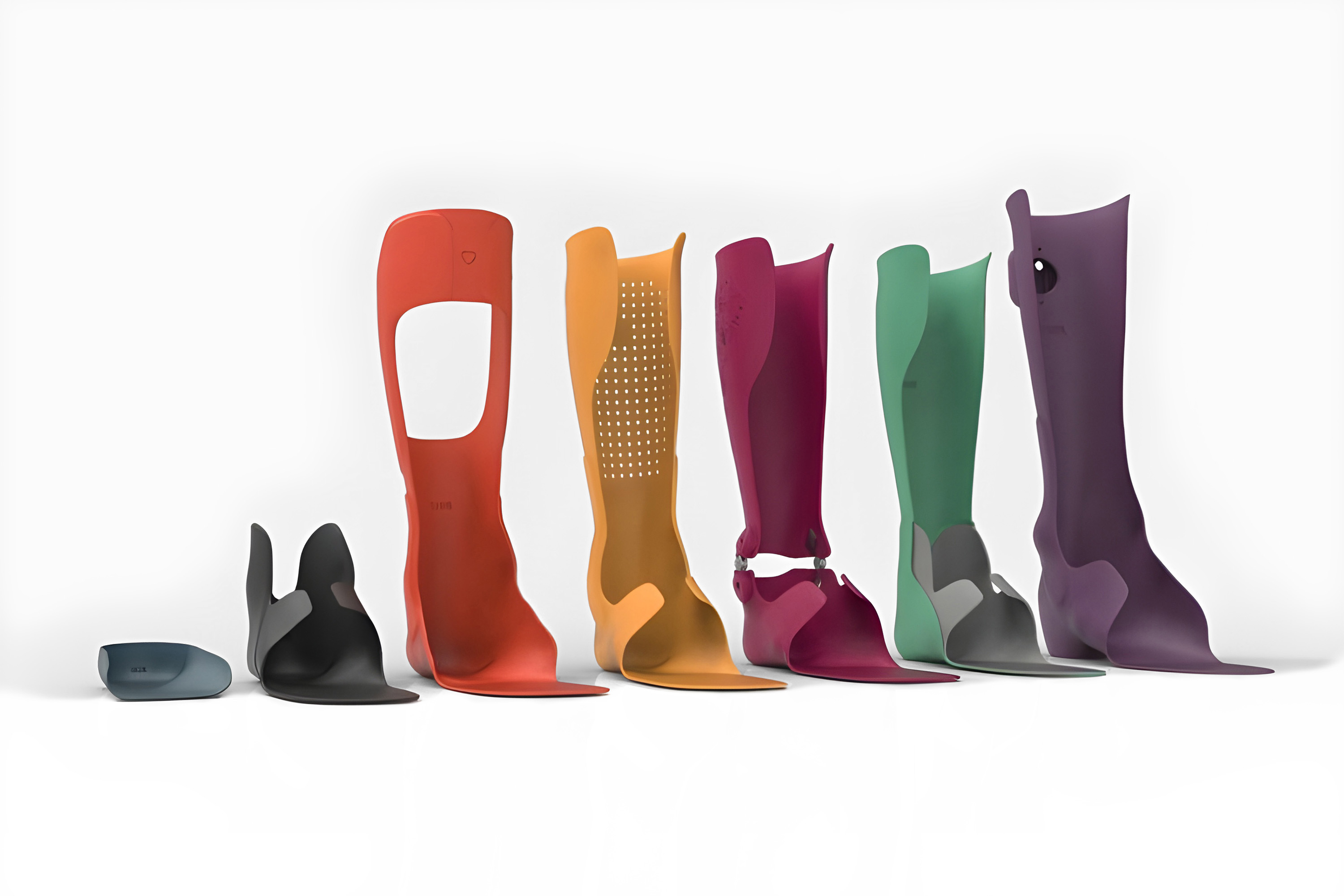
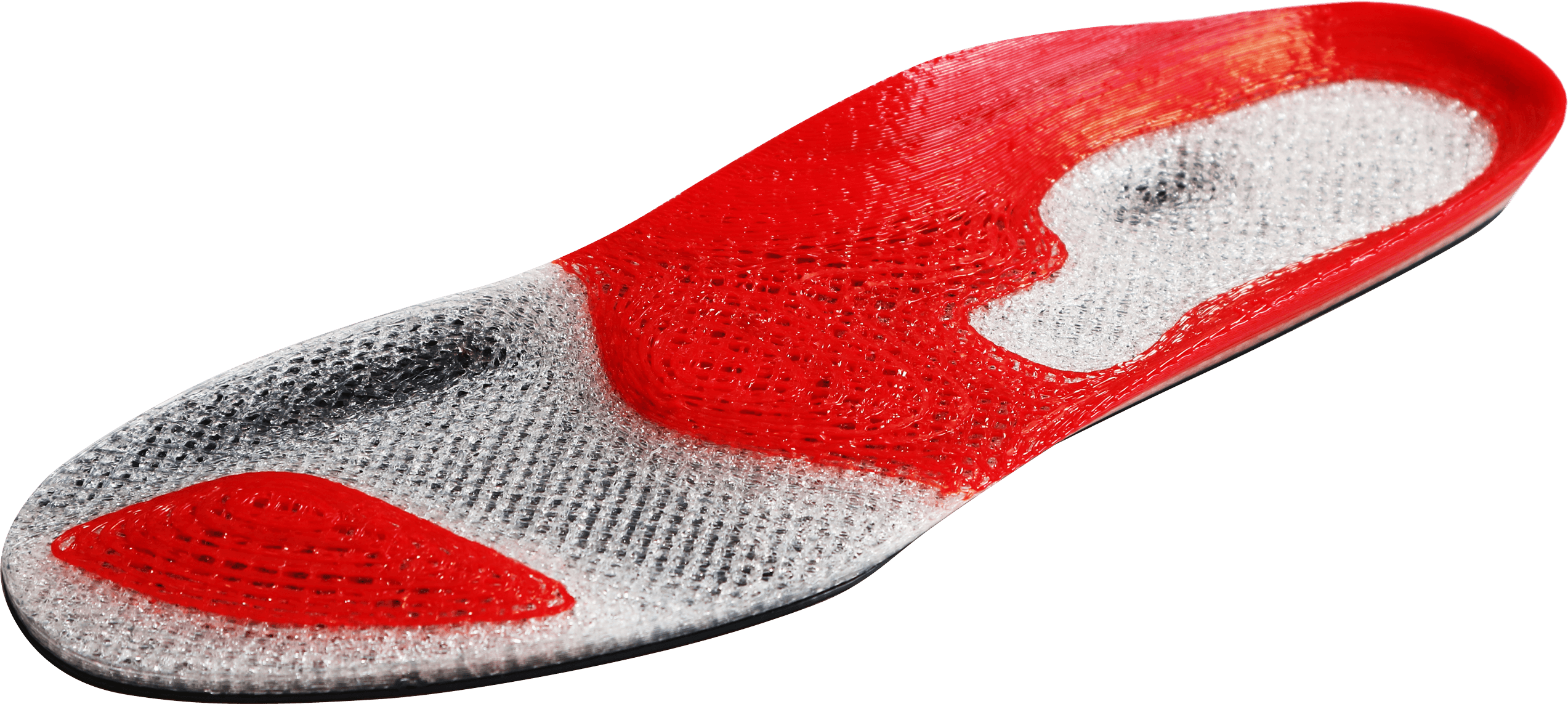
3D technology enables clinicians to capture accurate limb measurements, design devices digitally and produce customised components with fewer adjustments required during fitting. This can reduce production time while improving overall patient outcomes.
The national prosthetics institution currently provides services to more than 13,000 people with disabilities and manufactures over 150 different types of prosthetic and orthotic products, including lower-limb and upper-limb devices.
Step Forward for Rehabilitation Services in Central Asia
Government representatives described the introduction of 3D technology as an important milestone in the development of the country’s rehabilitation system.
Officials noted that digital solutions make it possible to provide a more individualised approach to each patient while also increasing efficiency in production. The modernisation programme is expected to strengthen national capacity and reduce reliance on outdated fabrication methods.
The initiative also reflects a broader trend seen in many developing healthcare systems, where digital workflows such as scanning, CAD modification and additive manufacturing are being adopted to expand access to prosthetic and orthotic care.
Growing Role of Digital Manufacturing in O&P
The introduction of 3D technology in Kyrgyzstan highlights the increasing global shift toward digital fabrication in prosthetics and orthotics. For many countries, these technologies offer the potential to:
- improve fit and comfort of devices
- reduce fabrication time
- lower long-term production costs
- support patient-specific design
- modernise ageing workshop infrastructure
As more national rehabilitation centres invest in scanning and additive manufacturing, digital workflows are expected to become a standard part of prosthetic and orthotic practice across both developed and emerging markets.