 By
By
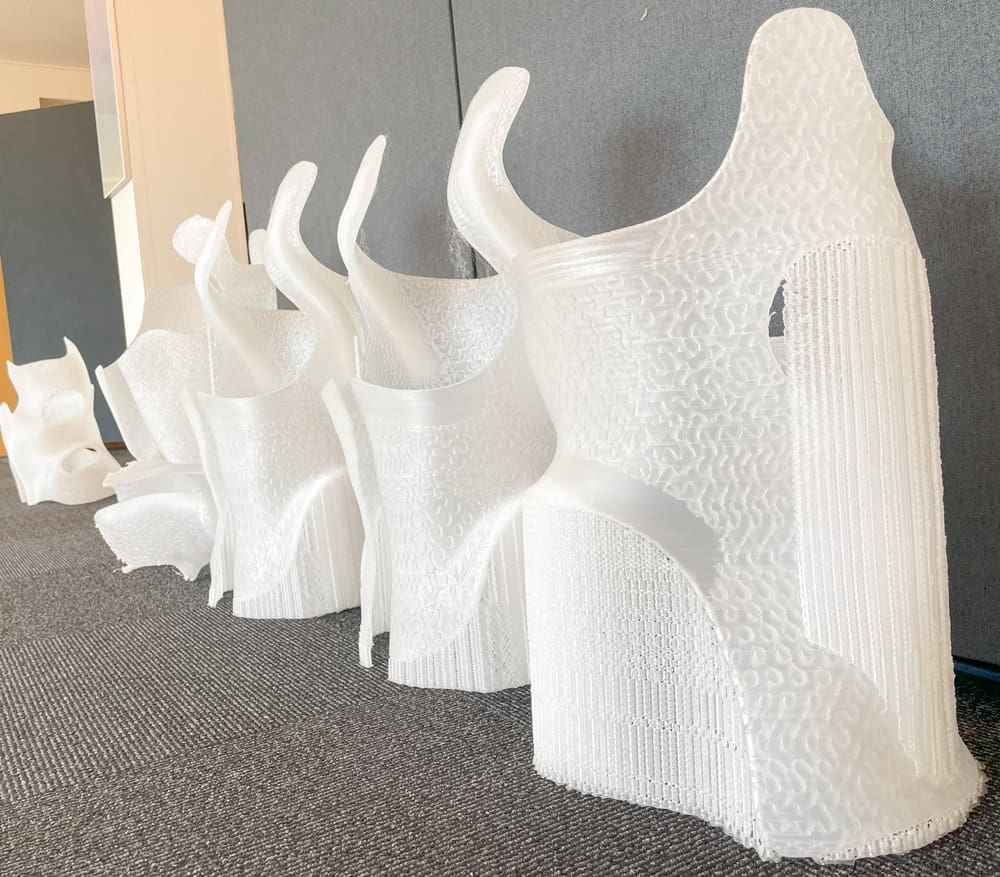
As 3D printing continues to expand in orthotics and prosthetics, many clinicians are asking what happens after the brace comes off the printer. Post-processing is often seen as a barrier to adoption, particularly for clinics concerned about time, equipment, and workshop skills. In reality, modern workflows allow a 3D printed spinal corset to be finished quickly using standard tools already found in most orthotic workshops.
In response to requests from partners and orthotists, this video demonstrates the full post-processing procedure for a 3D printed corset, showing how the device can be trimmed, finished, padded, and prepared for fitting in a short time. The example highlights how digital design combined with efficient workshop finishing can make it possible to complete a custom corset in less than one hour after printing.
For clinics without in-house CAD or printing capability, external design and print services can provide ready-to-finish devices that can be completed locally, allowing orthotists to keep the clinical fitting process in their own workshop while still benefiting from digital manufacturing.