 By
By
In what has been described as a first for Egyptian universities, New Cairo Technological University (NCTU) has received the equipment and devices for a new factory dedicated to the assembly and adaptation of prosthetic and orthotic devices. The initiative marks a significant development for Egypt’s rehabilitation education and applied health sciences landscape, linking academic training more directly with practical prosthetics and orthotics production.
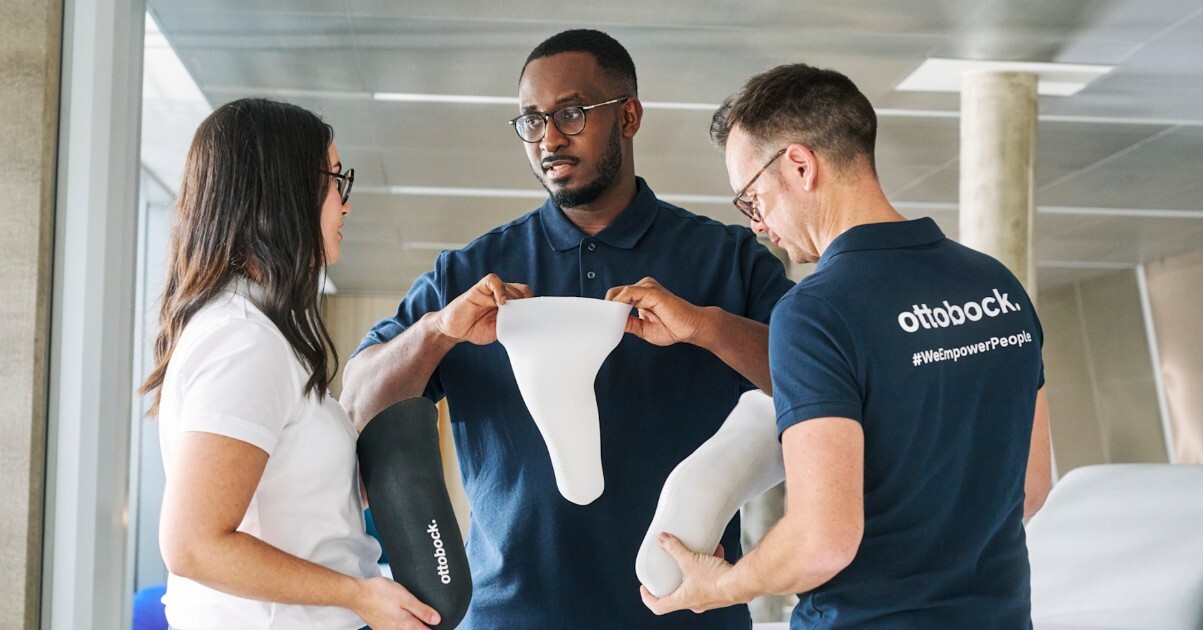
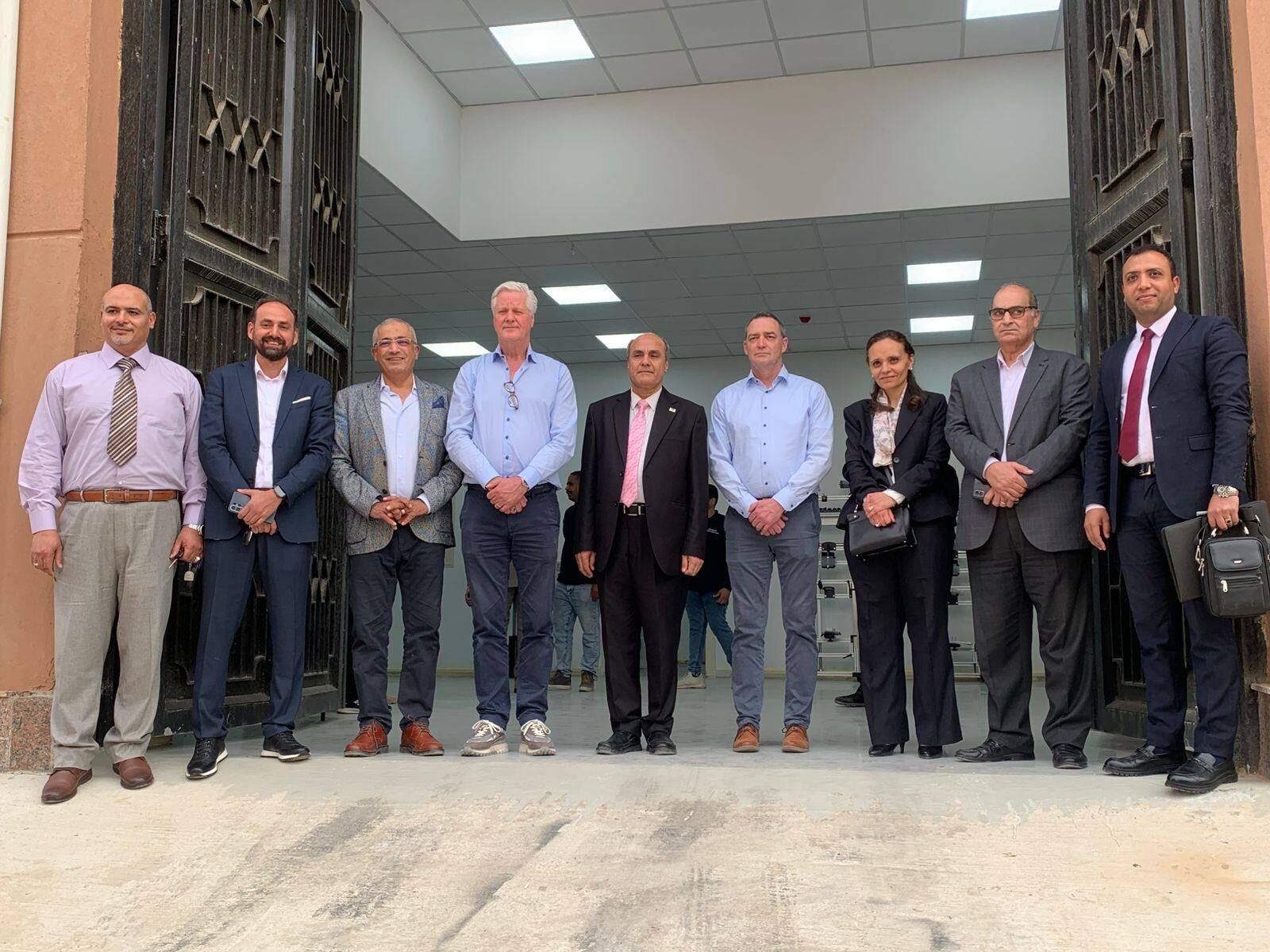
The handover was attended by senior representatives from the university, the Egyptian Authority for Unified Procurement, German prosthetics company Ottobock, and Egyptian O&P company Orthomedics. According to the announcement, the visiting delegation included Dennis Wolter, Vice Chairman of Ottobock’s Board of Directors, Peter Shivers, Director of Business Development for Ottobock Equipment, Eliza Kankel, Export Department Coordinator at Ottobock, Colonel Engineer Ahmed Gamal, Director of the Prosthetics Department at the Egyptian Organization for Unified Procurement, Supply and Medical Technology, and Dr. Khaled El-Deeb, Chairman of Orthomedics.
Dr. Tarek Abdel Malak, President of New Cairo Technological University, said the university’s ownership of a factory for assembling and adapting prosthetic and orthotic devices represents a major qualitative step. He framed the project as part of a wider national effort to raise awareness of the importance of assistive devices and to support the rehabilitation and participation of people with disabilities in everyday and working life.
The project also aligns with Egypt’s broader ambitions around localisation of high-value medical manufacturing. In the university’s framing, the factory supports the country’s longer-term direction under Egypt Vision 2030, particularly in building local capabilities in precision rehabilitation industries and expanding access to specialised medical services. This linkage to industrial localisation and national capability-building gives the project significance beyond the university itself.
For Dr. Mohamed El-Souda, Dean of the Faculty of Applied Health Sciences, the factory’s educational value is just as important as its symbolic importance. He said the facility will operate as both a training and application centre for students specialising in prosthetics and orthotics, helping ensure graduates are prepared to international standards. The announcement specifically referenced alignment with the International Society for Prosthetics and Orthotics (ISPO), underlining the university’s intention to connect technical education with globally recognised professional benchmarks.
That point matters. One of the major challenges across many IMEA markets is not only the availability of devices, but the development of trained human capital capable of assessing, fitting, adapting and maintaining them to a high standard. A university-based factory model offers a practical way to narrow the gap between classroom education and real-world technical competence. This is an editorial interpretation, but it is strongly supported by the university’s stated emphasis on training, application, and standards-based workforce development.
The ceremony was also attended by a wider university and project team, including Dr. Walid Al-Khatam, Dean of the Faculty of Industrial and Energy Technology; Dr. Tamer Abul Naga, Vice Dean for Education and Student Affairs; Dr. Minerva Iskandar, Coordinator of the Prosthetic Limbs Programme; Dr. Amr Gharib, expert and teacher of prosthetics and orthotics; Dr. Abdel Rahman Al-Deeb, Director of Operations at Orthomedics; Noha Alaa, Head of Customer Service; Ahmed Qarni, Factory Manager at Orthomedics; Dr. Fadi Ibrahim, Director of Marketing and Sales and General Coordinator of the project; Rana Amin, General Manager of Public Relations and Media at the university; Dr. Mariana Mahfouz, Director of the Media Production Unit; and Yasmine Youssef, Director of Public Relations.
From an IMEA CPO perspective, the launch is important because it shows how higher education institutions can become more directly involved in building national rehabilitation capacity. Rather than treating prosthetics and orthotics solely as a clinical endpoint, the NCTU model places education, applied training, industry collaboration and local manufacturing into the same ecosystem. That is exactly the kind of integrated approach many countries in the region still need to strengthen. This conclusion is editorial, but grounded in the structure of the project and the range of institutional actors involved.
It also reinforces a wider point about the future of O&P development in the region. Sustainable progress depends not just on importing finished products, but on creating local systems that can train professionals, support adaptation and fitting, and gradually strengthen domestic technical capability. If successfully implemented, NCTU’s new prosthetics and orthotics factory could become an important reference point for how universities in Egypt and beyond approach rehabilitation technology education.