 By
By
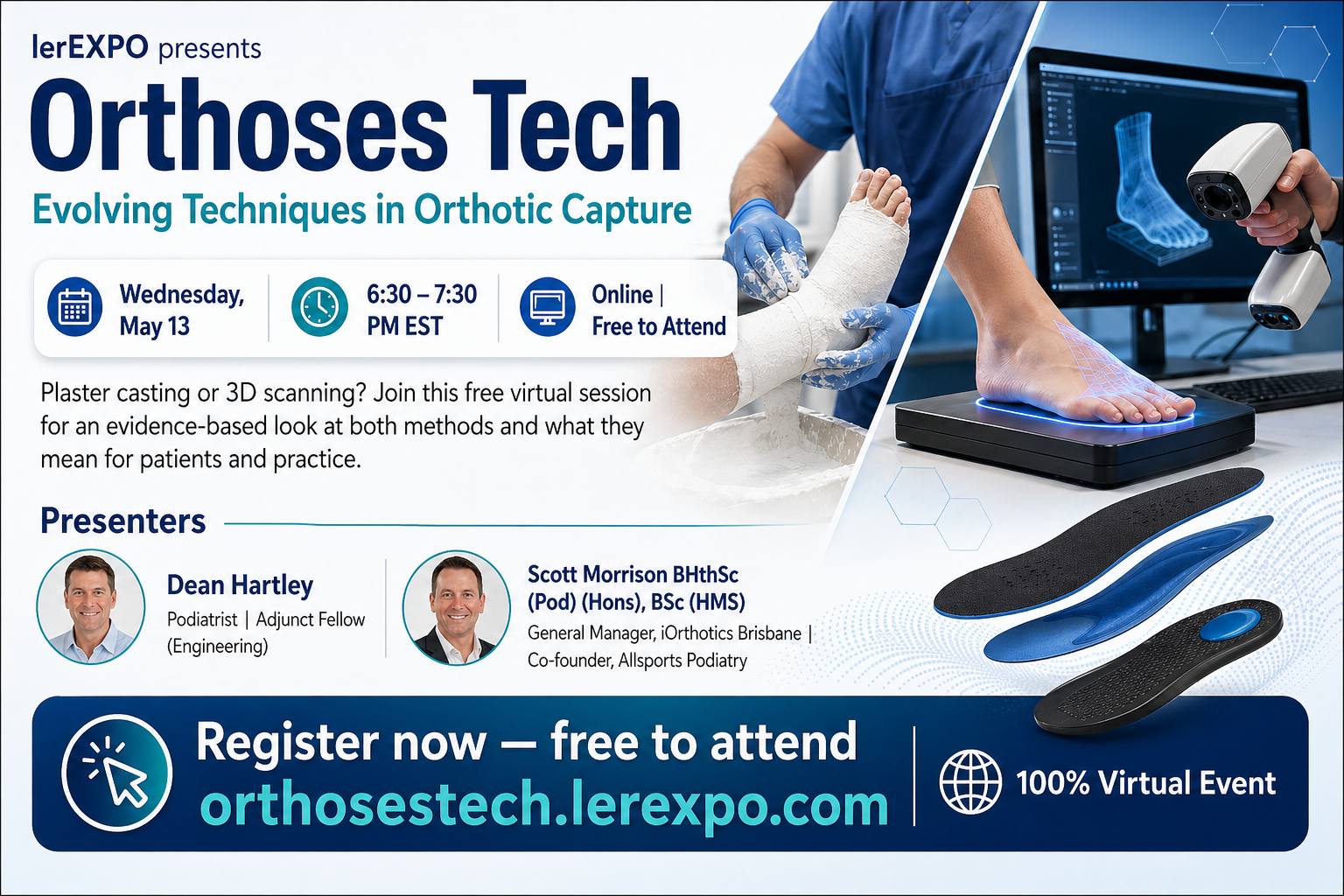
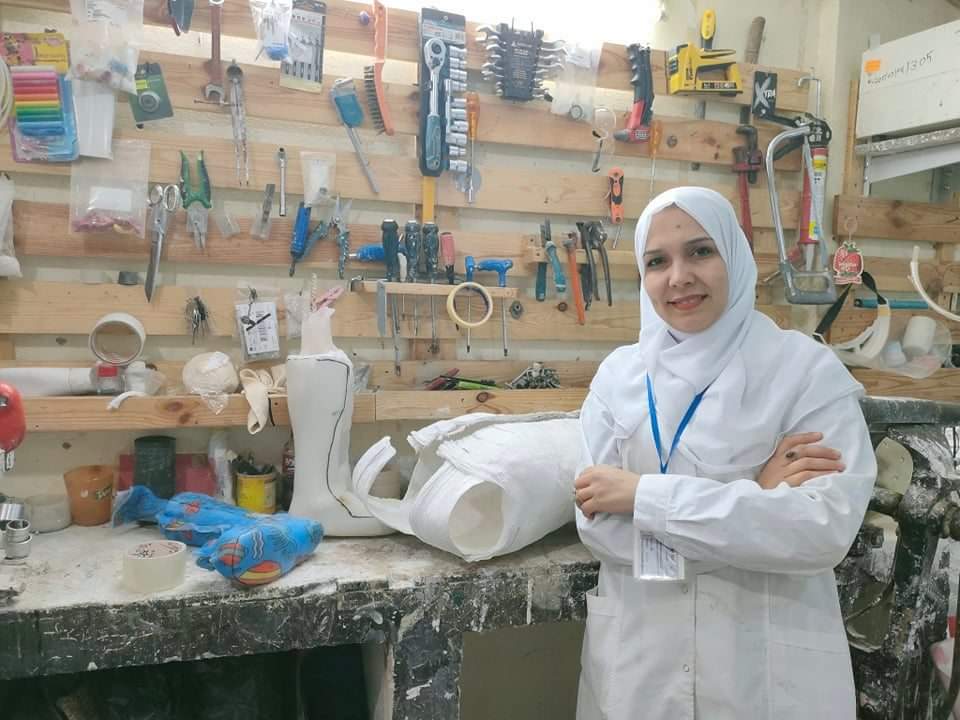
A free virtual education session from lerEXPO will explore one of the most important practical questions in modern orthotic practice: should clinicians continue using plaster casting, move to 3D scanning, or adopt a hybrid approach based on patient needs and clinical workflow?
The online event, Orthoses Tech: Evolving Techniques in Orthotic Capture, is scheduled for Wednesday, May 13, at 6:30 PM EST. The session will focus on 3D scanning versus plaster casting, including the pros and cons of each method and how clinicians can make evidence-informed decisions when capturing patient anatomy for custom orthotic devices.
The event is part of the LER Online Event Series and is free to attend. LER Expo describes itself as an online healthcare education platform serving multidisciplinary lower-extremity professionals, including podiatry, O&P, pedorthics, physical therapy, orthopedics, athletic training, and related fields.
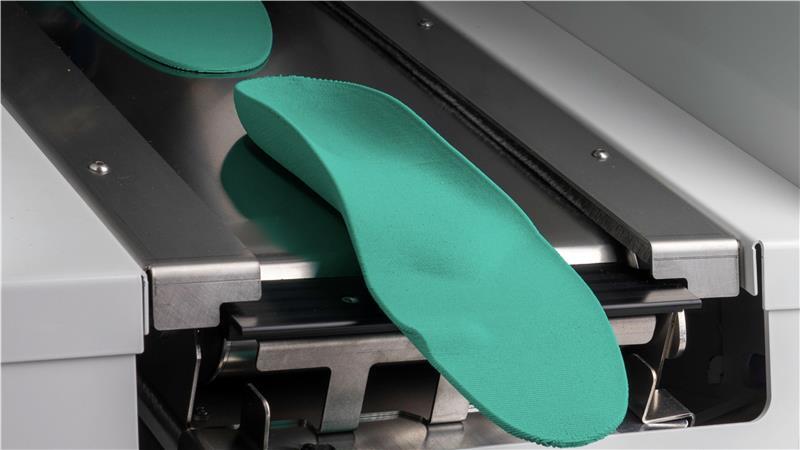
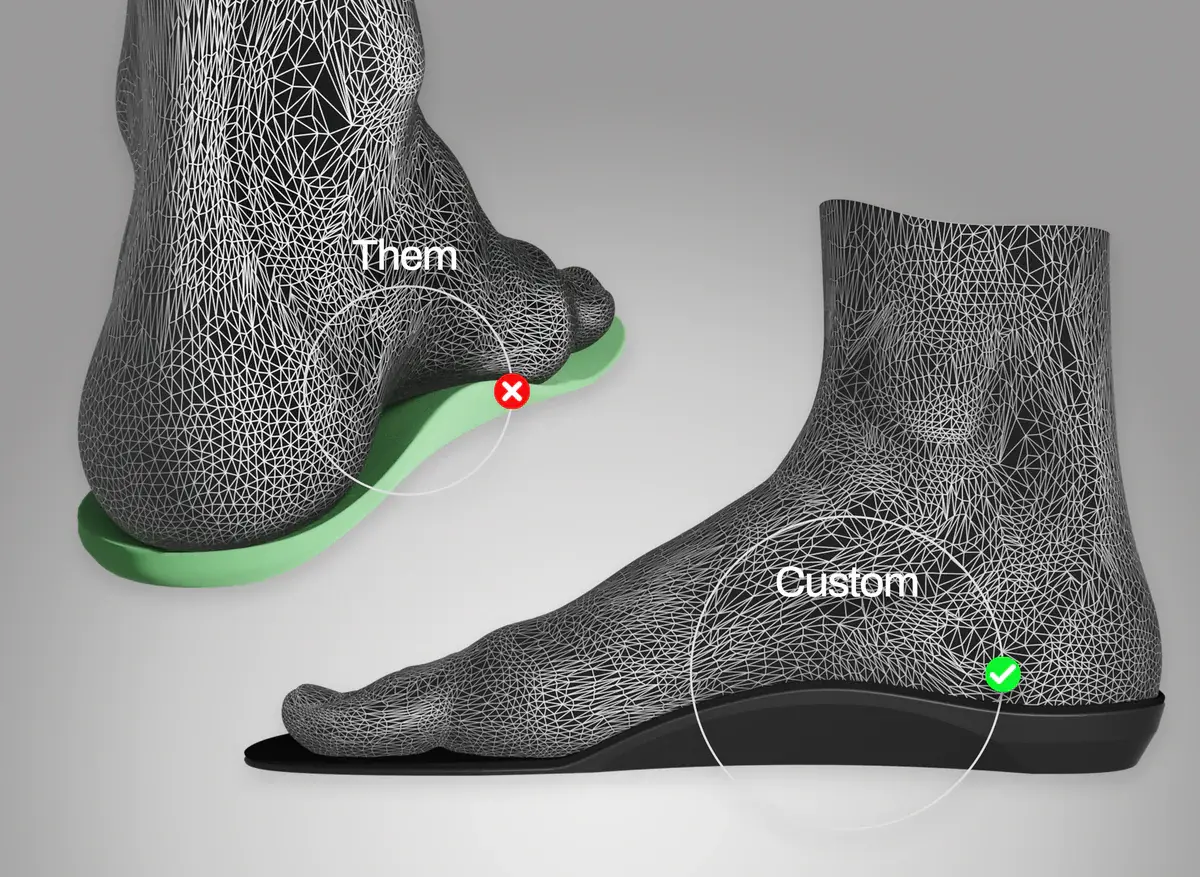
For orthotic clinicians, podiatrists, technicians, and digital fabrication teams, the session is especially relevant as more practices evaluate whether 3D scanning can replace or complement traditional plaster casting. While plaster remains familiar, tactile, and widely used, scanning offers potential advantages in speed, repeatability, digital storage, remote collaboration, and integration with CAD/CAM and additive manufacturing workflows.
The discussion will feature presenters with direct experience in clinical practice, research, engineering, and orthotic manufacturing. Dean Hartley, a podiatrist and adjunct fellow with engineering expertise, brings research experience in capture accuracy and digital orthotic fabrication. Scott Morrison, General Manager of iOrthotics Brisbane and co-founder of Allsports Podiatry, brings experience across clinical practice, university teaching, manufacturing, innovation, and quality systems.
A recent event listing also names Robert Conenello, DPM, FACFAS, FAAPSM, founder of Orangetown Podiatry and Clinical Director of Special Olympics New Jersey Healthy Athletes, among the featured speakers.
The session is expected to help attendees understand where each capture method performs best, what evidence says about accuracy, and how technology choices can affect clinical outcomes, fabrication efficiency, and patient experience.
For IMEA CPO readers, this topic is increasingly important. Many clinics and workshops across the region are considering digital orthotic workflows, including 3D scanning, digital design, CNC milling, and 3D printing. However, successful adoption depends on more than buying a scanner. It requires understanding accuracy, clinical indications, staff training, software workflow, manufacturing compatibility, and how digital capture compares with trusted manual methods.
Why This Matters for O&P and Orthotic Practice
This event is relevant for:
- Clinics considering a move from plaster casting to 3D scanning
- Orthotic teams building CAD/CAM or 3D printing workflows
- Podiatrists and O&P clinicians comparing capture accuracy
- Technicians who need reliable digital data for fabrication
- Educators teaching modern orthotic assessment and manufacturing
- Practices looking to improve efficiency without compromising fit
The key question is not whether plaster or scanning is “better” in every case. The more useful question is when each method is most appropriate, and how clinicians can use evidence to select the best workflow for each patient.
Event Details
Event: Orthoses Tech
Theme: Evolving Techniques in Orthotic Capture
Focus: 3D scanning vs plaster casting
Date: Wednesday, May 13, 2026
Time: 6:30–7:30 PM EST
Format: 100% virtual
Cost: Free to attend
Registration: Register here