 By
By
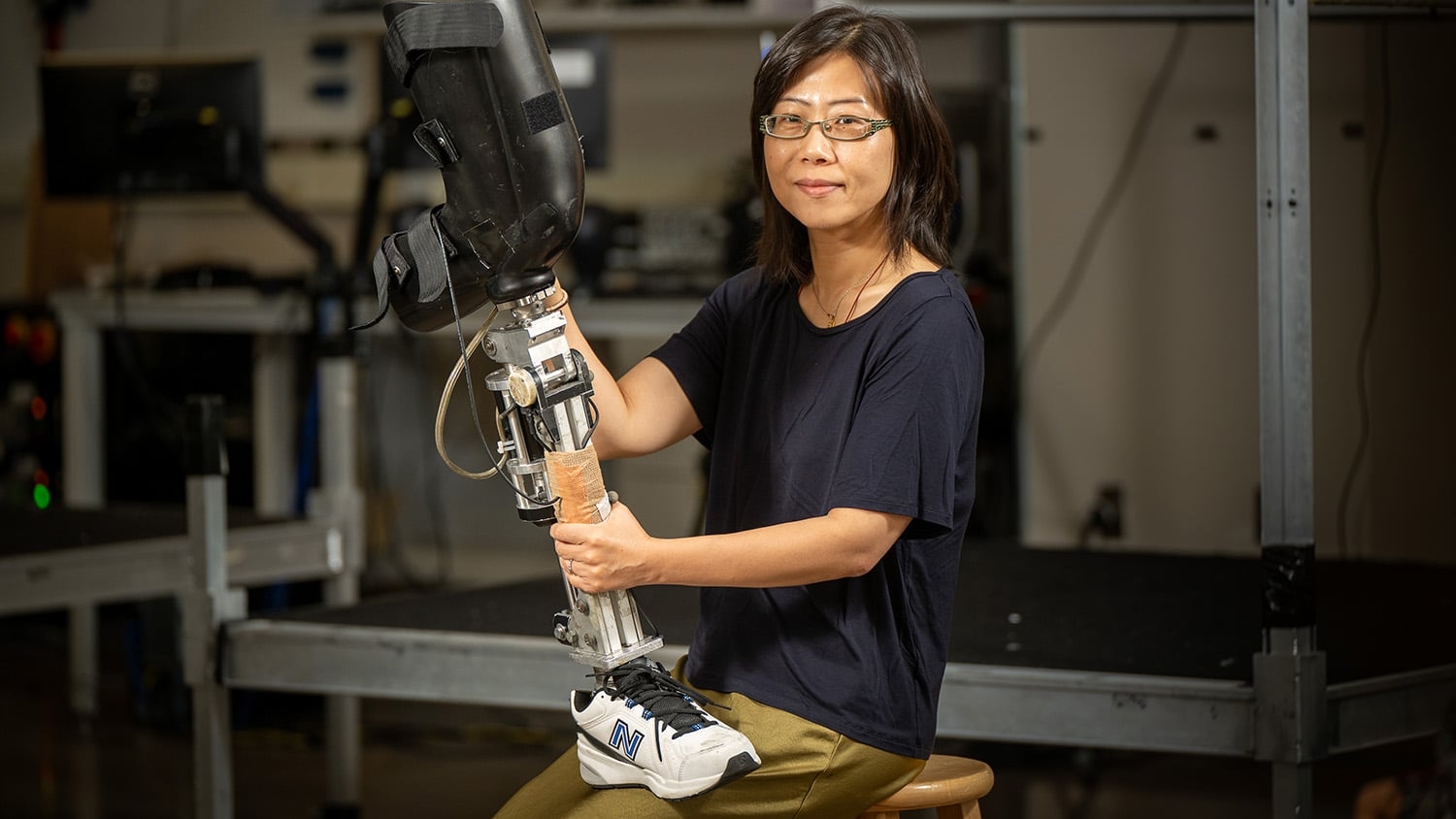
When people begin using a robotic prosthetic leg, their mental picture of how they walk often doesn’t match what their body is really doing, according to new research. This mismatch between perception and reality could influence rehabilitation progress and long-term mobility outcomes.
Researchers from North Carolina State University and collaborating institutions looked at how body image — the brain’s internal map of the body and how it moves — changes as individuals learn to walk with a robotic limb. Participants practised walking on a treadmill with a robotic prosthetic leg over several days, and their actual gait was measured alongside their own perceptions of how naturally they thought they were moving.
The study uncovered a striking pattern: beginners believe their gait is more awkward than it actually is, while those with more practice begin to overestimate how natural and fluid their walk feels. This “perceptual flip” means that even as physical performance improves, users’ internal assessment of their movement remains inaccurate.
One key reason for this discrepancy is that robotic prosthetics currently don’t provide direct sensory feedback — known as proprioception — back to the user’s nervous system. Without that internal sense of limb position and motion, the brain relies on other cues like torso motion, which can mislead its judgment about how well the prosthetic is being controlled.
The researchers caution that this misalignment between perceived and actual gait could hinder rehabilitation. If users believe their walking is already smooth and natural, they may be less motivated to continue refining their technique or pursue additional training needed for further improvement.
One possible solution is to incorporate external feedback — for example, real-time visual or video feedback during training sessions — to help users better align their body image with actual performance. Such feedback could help wearers “calibrate” their internal sense of movement, leading to more accurate self-assessment and potentially faster progress.
The work highlights an important aspect of prosthetic research: advances in robotics and wearable technology don’t just change what people can do, they change how people experience their bodies — and helping the brain adapt may be just as critical as improving the machines themselves.
The study (“Projecting the New Body: How Body Image Evolves During Learning to Walk with a Wearable Robot”) was published in PNAS Nexus.