 By
By
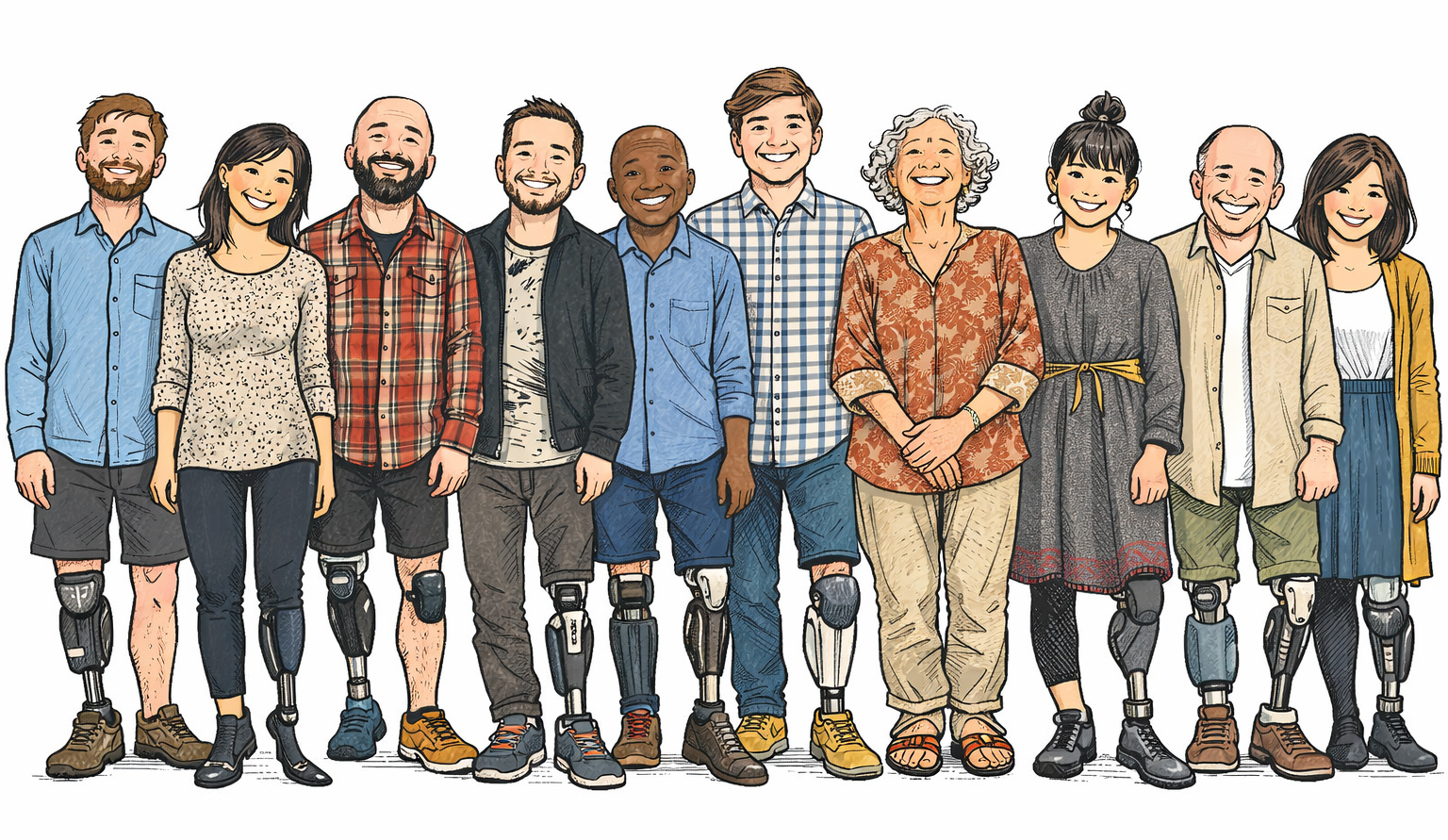
Choosing a first prosthetic limb is one of the most important decisions facing individuals after an amputation. A new global survey is seeking to better understand how amputees navigate this process and what factors influence their initial prosthetic selection.
The initiative, highlighted by the amputee resource platform Living With Amplitude, aims to gather insights from people with limb loss about their experiences when selecting their first prosthesis and the challenges they faced during early rehabilitation.
The survey can be viewed here:
https://forms.cloud.microsoft/pages/responsepage.aspx?id=HlNwj9cxsUu56HMeJccwz3lAFODojrRAiUzqicAqHKNUQk44WDlONkc0UVJYNEQ0Nk5IT0FJMDMzUy4u&route=shorturl
Understanding the First Prosthetic Decision
For many amputees, the first prosthetic device represents far more than a medical appliance. It is often the key step toward regaining independence, mobility and confidence following limb loss.
However, many patients report feeling unprepared when faced with prosthetic choices. Different components, technologies and clinical recommendations can make the process complex, particularly for individuals who are still adapting to the physical and emotional consequences of amputation.
The survey seeks to understand how patients experienced this decision-making process and whether they felt their priorities were fully considered when selecting their first prosthesis.
Daily Life Challenges After Amputation
Research consistently shows that prosthetic users often face significant challenges performing everyday tasks such as:
- Walking on uneven surfaces
- Climbing stairs or slopes
- Carrying objects while walking
- Maintaining balance in crowded environments
Even younger and otherwise healthy amputees can experience reduced mobility and fatigue, highlighting the importance of selecting prosthetic components that align with each individual’s lifestyle and activity goals.
Understanding these functional needs early in rehabilitation can significantly influence long-term prosthetic satisfaction.
The Role of Clinicians in Prosthetic Selection
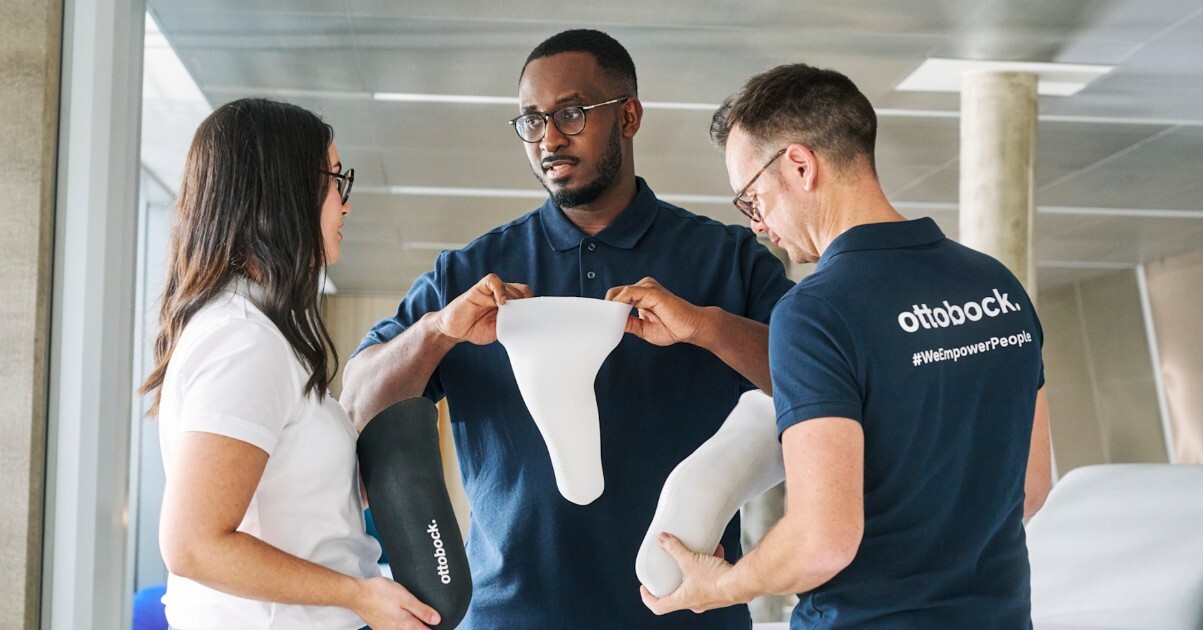
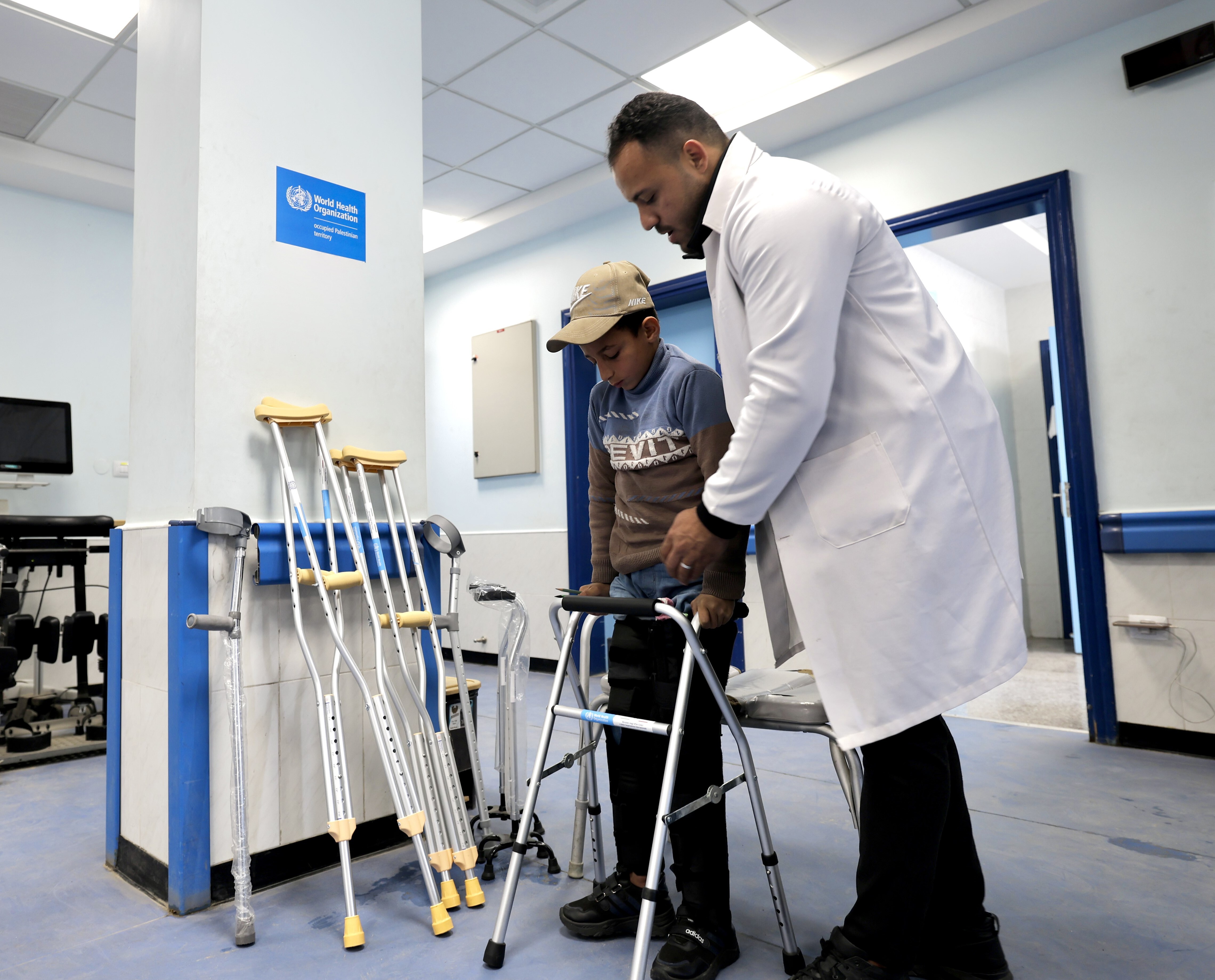
The relationship between prosthetists and patients plays a critical role in successful outcomes. Many amputees rely heavily on their clinicians to explain the differences between prosthetic technologies and guide them toward appropriate solutions.
The survey aims to explore how effectively these conversations take place and whether patients felt empowered to participate in shared decision-making during the process.
Shared decision-making is increasingly recognised as best practice in prosthetic rehabilitation, allowing clinicians and patients to work together to identify solutions that balance clinical performance with personal goals.
Improving Future Prosthetic Care
By collecting experiences from prosthetic users worldwide, researchers hope to build a clearer picture of how the first prosthetic prescription affects long-term mobility and quality of life.
The results may help inform:
- prosthetic education resources for new amputees
- clinical decision-support tools for prosthetists
- improvements in rehabilitation pathways
- better alignment between prosthetic technology and patient expectations
As prosthetic technology continues to evolve, understanding the lived experiences of users remains essential for improving rehabilitation outcomes.
A Global Conversation in Prosthetic Rehabilitation
Initiatives such as this survey reflect a growing movement within rehabilitation to place patient experience at the centre of prosthetic care.
For clinicians, researchers and prosthetic manufacturers, listening to the voices of amputees themselves may ultimately lead to more effective prosthetic solutions and better long-term mobility outcomes.
Readers interested in participating or learning more can visit the survey page here:
https://myprostheticpriorities.com/en-us/