 By
By
The outbreak of war involving Iran is already sending shockwaves through global logistics networks. For the orthotics and prosthetics (O&P) sector across the Middle East, the implications could be significant. Clinics, hospitals and rehabilitation centres throughout the Gulf rely heavily on imported materials, components and equipment. As transport routes and insurance markets react to the conflict, the supply chain feeding the region’s O&P industry is likely to face delays, higher costs and strategic restructuring.
A Critical Trade Route Under Threat
At the centre of the disruption is the Strait of Hormuz, one of the world’s most important maritime chokepoints. The passage handles a major share of global energy and commercial shipping, and recent military escalation has effectively halted or severely reduced vessel traffic through the strait.
The conflict has already caused tanker traffic to drop dramatically and shipping companies to suspend operations in the region due to security risks and rising insurance costs.
For medical supply chains—including orthotic plastics, prosthetic components, carbon fibre materials and specialist machinery—this disruption affects the main maritime gateway to Gulf ports such as Jebel Ali, Dammam, Doha and Kuwait.
Freight Delays and Rising Costs
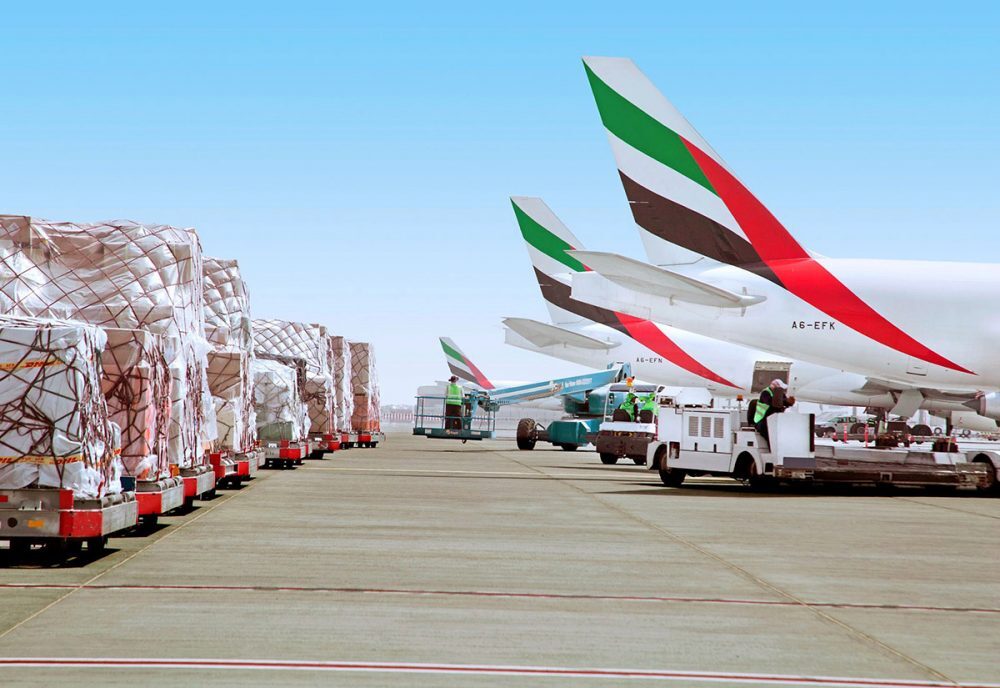
Beyond the immediate security risks, the conflict is also pushing freight prices sharply higher. Air cargo routes across the Middle East have been disrupted and airlines are avoiding regional airspace, while shipping companies are rerouting vessels around Africa or delaying departures entirely.
These changes increase transit times by weeks and significantly raise logistics costs. Shipping insurance premiums for vessels operating in the Gulf have also surged as insurers withdraw war-risk coverage.
For the O&P industry, this translates directly into higher prices for:
- prosthetic knees, feet and component systems
- thermoplastics and carbon fibre materials
- EVA and polyurethane orthotic blocks
- prosthetic liners and silicone materials
- workshop machinery and fabrication tools
Clinics that rely on “just-in-time” imports could face shortages if disruptions continue.
Air Cargo Restrictions Affect High-Value Medical Devices
Orthotic and prosthetic components are often shipped by air because they are lightweight but high value. However, the conflict has already forced many carriers to avoid Middle Eastern air corridors, grounding cargo aircraft and disrupting time-sensitive deliveries.
For rehabilitation providers across Saudi Arabia, the UAE, Qatar and Kuwait, this could delay delivery of:
- custom prosthetic components
- digital scanning equipment
- specialist orthotic joints and hinges
- patient-specific 3D printed devices
Humanitarian and medical supply chains operating in the region have also reported disruptions to their transport routes, placing additional pressure on healthcare systems.
Regional Ports and Infrastructure Under Pressure
The wider conflict is also affecting port infrastructure and shipping operations across the Gulf. Drone strikes and attacks on tankers near Oman and other locations highlight the vulnerability of regional logistics hubs.
If ports or shipping lanes become unreliable, cargo may shift toward alternative routes including:
- Red Sea ports via Saudi Arabia’s western coast
- land transport corridors through Jordan and Turkey
- expanded air cargo hubs in India and Southeast Asia
These adjustments could permanently reshape how medical devices and rehabilitation supplies reach the Middle East.
The Strategic Response for the O&P Industry
For the orthotics and prosthetics sector, the current crisis highlights the need to strengthen regional resilience. Clinics, distributors and manufacturers may increasingly look toward:
- larger regional inventories of key prosthetic components
- localised manufacturing, including 3D printing of orthoses and prosthetic sockets
- diversified sourcing, particularly from India and Asia
- regional distribution hubs within the Gulf
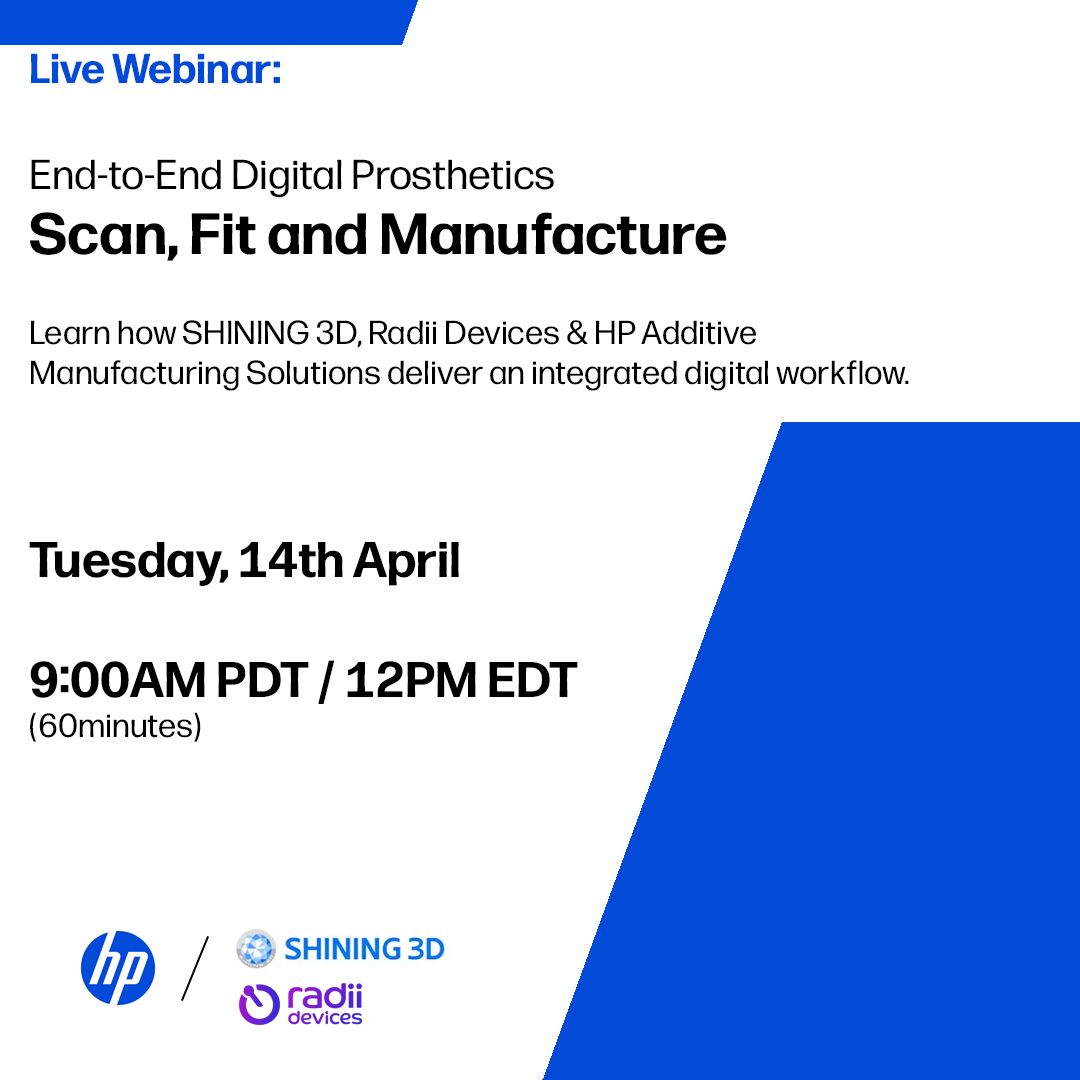
Over the past decade the Middle East has already begun investing in digital fabrication and additive manufacturing within prosthetics and orthotics. If international supply routes remain uncertain, this transition toward local production could accelerate significantly.
A Turning Point for Regional Manufacturing
Ironically, while the conflict threatens short-term disruption, it may also accelerate long-term innovation within the region’s rehabilitation sector. Greater investment in local production, digital workflows and regional supply hubs could ultimately make the Middle East less dependent on distant manufacturing centres in Europe and North America.
For clinicians and rehabilitation providers, the priority remains ensuring uninterrupted patient care. But the broader lesson for the O&P industry is clear: geopolitics and healthcare supply chains are increasingly intertwined.
As the situation evolves, the ability of the region’s prosthetics and orthotics sector to adapt quickly may determine how resilient rehabilitation services remain during this period of global uncertainty.