 By
By
In an era where artificial intelligence is reshaping clinical diagnostics, HalluxMD is advancing a new frontier in foot health by integrating AI analytics into routine patient evaluation. The company’s novel platform combines digital imaging, gait analysis and machine learning models to help clinicians detect, monitor and manage foot conditions more effectively — ranging from biomechanical abnormalities to progressive deformities.
Developed by a multidisciplinary team of clinicians and data scientists, HalluxMD’s AI-enabled system leverages computer vision and pattern recognition to identify subtle signs of foot dysfunction that might otherwise be missed during traditional clinical examination. By translating standing and walking biomechanics into quantifiable metrics, the platform allows care teams to visualise risk profiles and tailor intervention plans with greater precision.
AI Meets Foot Function: How It Works
HalluxMD’s technology begins with a simple, non-invasive assessment using digital capture tools to record the patient’s foot posture, gait and weight distribution. Proprietary algorithms then analyse:
- Joint alignment and ranges of motion
- Pressure patterns across the foot during stance and gait
- Intersegmental movement dynamics
- Longitudinal and transverse arch behaviour
These measurements are synthesised into clinically meaningful outputs that help clinicians track progression, identify compensatory movement patterns and predict potential injury risk.
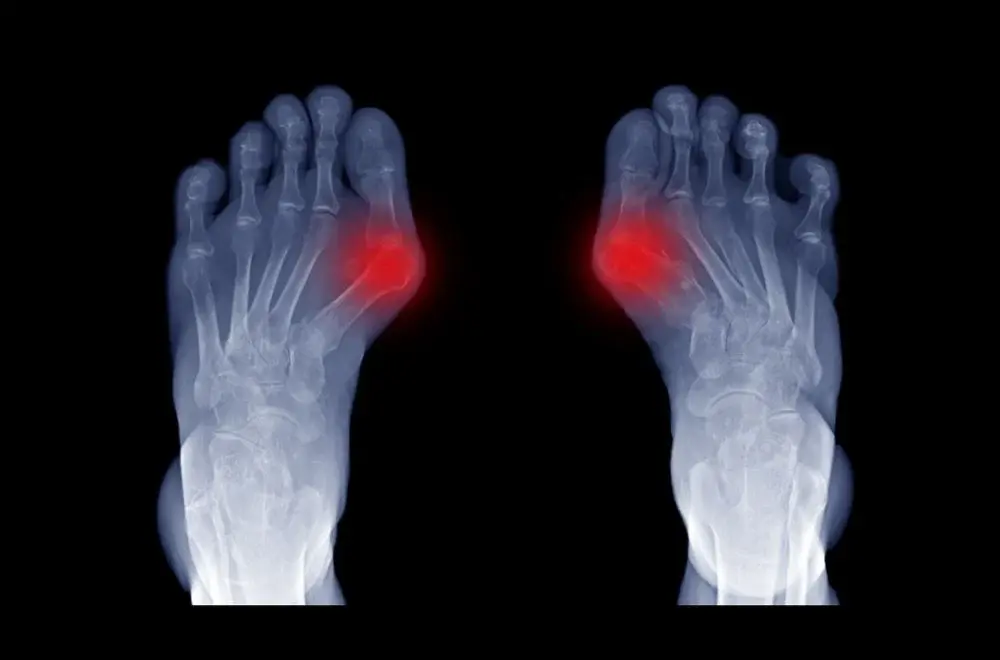
Unlike traditional manual assessments that rely primarily on observational expertise, the AI model delivers objective data that can support early intervention — a principle that is particularly relevant for management of chronic conditions such as diabetic foot, hallux valgus (bunions) and plantar fasciopathy.
Clinical Insights and Preventive Value
The ability to quantify foot function digitally offers several advantages:
- Early detection of biomechanical deviations before symptomatic progression
- Quantitative baseline measurements for treatment monitoring
- Objective documentation for multidisciplinary care coordination
- Enhanced patient engagement through visual feedback
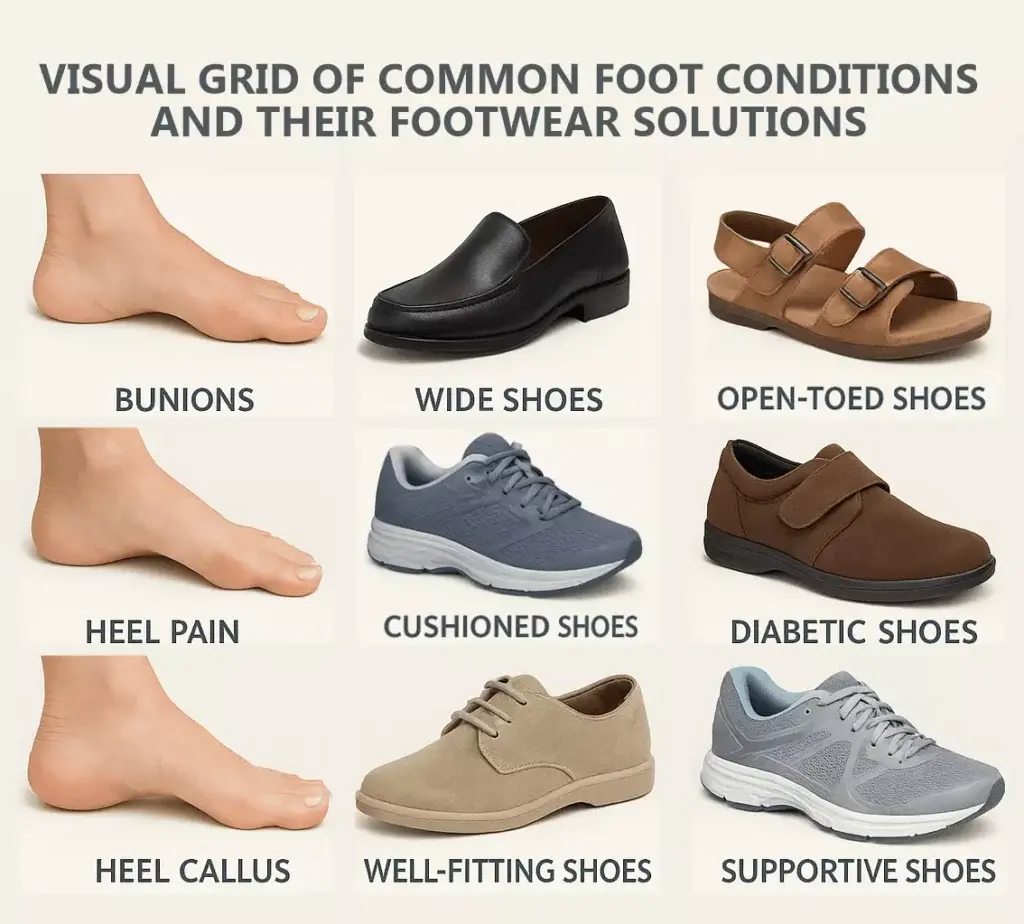
For example, in individuals with structural deformities or altered gait mechanics, AI output can help clinicians personalise orthotic interventions that optimise load redistribution, enhance comfort and potentially delay the need for surgical procedures.
Broad Implications Across Healthcare Settings
While the platform originated in podiatric care, its applications extend into physical therapy, rehabilitation medicine and orthotics. Rehabilitation specialists, prosthetists and orthotists can benefit from a data-driven understanding of lower extremity mechanics when prescribing therapeutic exercises or designing custom orthotic devices.
In resource-constrained environments where access to specialised imaging or motion analysis labs is limited, AI-based tools can democratise diagnostic capability — enabling earlier referral, remote monitoring and continuous outcome tracking.
A Growing Trend in Digital Health
HalluxMD’s work reflects a wider movement in healthcare toward predictive and personalised care. As AI models mature, there is increasing potential to integrate digital assessment tools into electronic health records, telehealth platforms and interdisciplinary care pathways.
Advanced analytics such as those employed by HalluxMD align with broader trends in clinical innovation, including:
- Augmented rehabilitation monitoring
- Quantitative functional assessment
- Remote patient management
- Outcome optimisation with real-world data
Looking Ahead
The field of digital health is rapidly evolving, and platforms that effectively marry clinical insight with machine intelligence are poised to add value across multiple patient populations. With foot and lower-limb conditions representing a significant contributor to mobility limitation worldwide, tools that enhance early detection and personalised care can improve quality of life and reduce long-term disability burden.
As clinicians and technologists continue to collaborate, AI-enhanced assessment platforms such as HalluxMD’s may become essential components of integrated clinical practice — supporting evidence-based decisions that are both informed and timely.