 By
By
Over the past decade, rehabilitation has moved from the margins of global health policy to the centre of conversations on universal health coverage, healthy ageing and inclusive development. Initiatives such as Rehabilitation 2030, led by the World Health Organization (WHO), have helped elevate rehabilitation as an essential health service rather than an optional add-on.
Today, that progress is at risk.
Shifts in global health financing and geopolitical decisions are threatening the momentum built through international collaboration. In particular, the withdrawal of the United States from WHO engagement and reductions in funding through United States Agency for International Development (USAID) pose serious risks to global rehabilitation initiatives—especially in low- and middle-income countries where unmet rehabilitation needs remain highest.
A Warning from ISPRM Leadership
In a recent paper published in Archives of ISPRM, leaders of the International Society of Physical and Rehabilitation Medicine (ISPRM) outline the potential consequences of weakening multilateral engagement and declining international investment.
The authors highlight that rehabilitation systems in many countries depend heavily on coordinated global leadership, technical guidance and financial support—particularly through WHO and its partners. Disruptions to this ecosystem threaten:
- Integration of rehabilitation into primary and secondary care
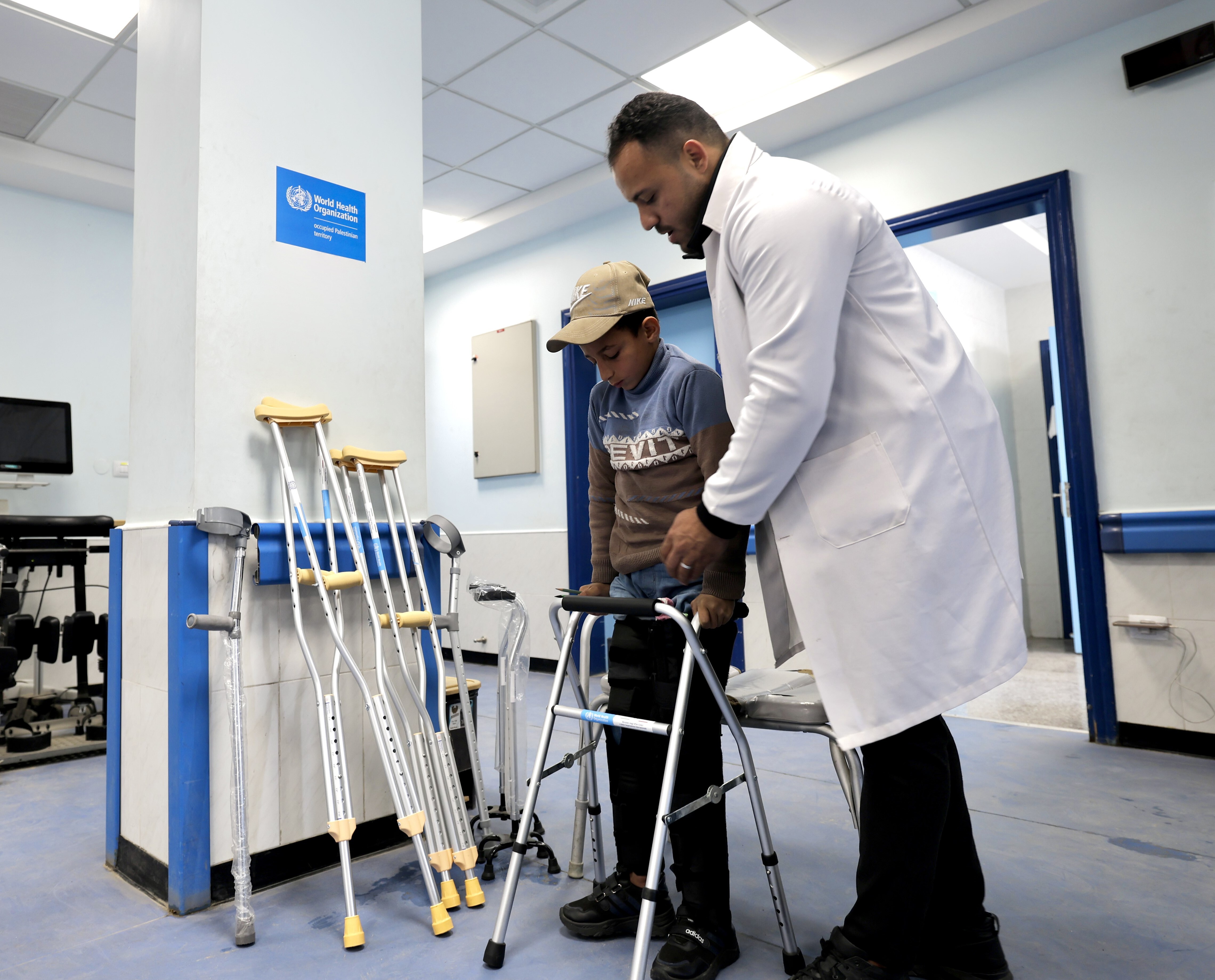
- Expansion of access to assistive technology
- Workforce education and professional training
- Development of equitable, sustainable rehabilitation systems
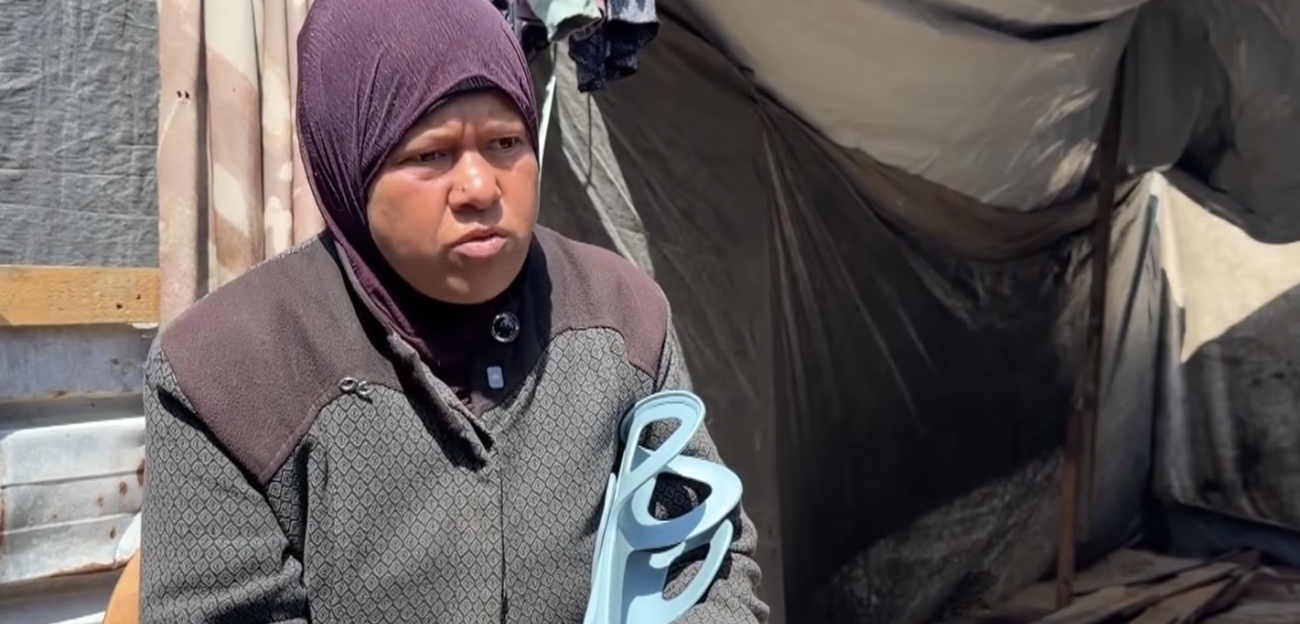
The impact is not evenly distributed. Countries already facing fragile health infrastructure and limited specialist workforce capacity are likely to be disproportionately affected.
Why Rehabilitation Matters More Than Ever
Globally, the demand for rehabilitation services continues to rise due to:
- Population ageing
- Increasing survival from trauma and critical illness
- Growth in non-communicable diseases
- Rising prevalence of disability
Without sustained investment and coordinated policy leadership, recent gains toward embedding rehabilitation within universal health coverage frameworks could stall—or reverse.
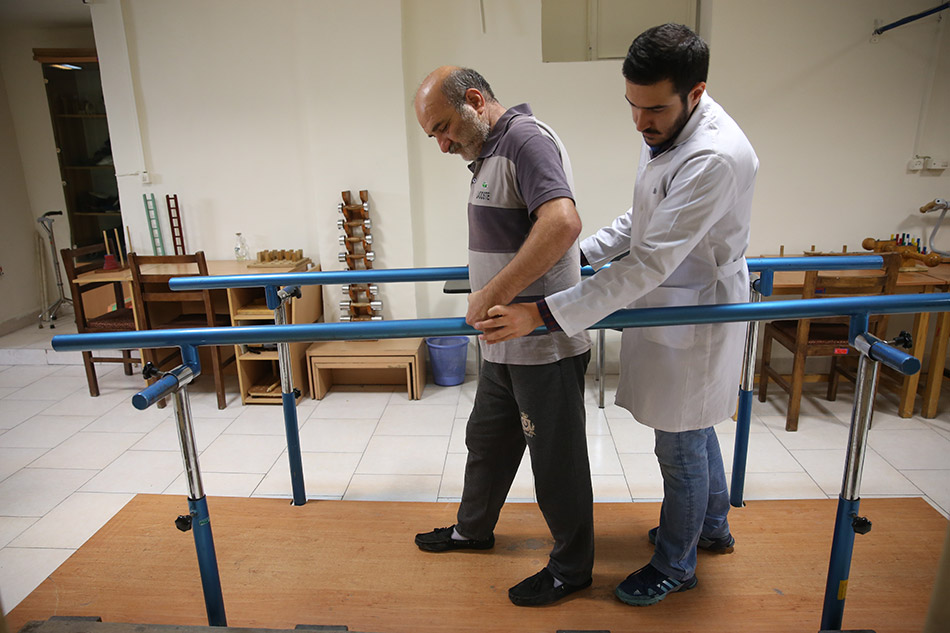
Rehabilitation is not merely a specialist service. It is foundational to enabling participation, independence and economic contribution for millions of people living with disability or chronic health conditions.
ISPRM’s Call to Action
In response to emerging risks, ISPRM has reaffirmed its commitment to advancing rehabilitation as a core component of universal health coverage and supporting WHO’s leadership role in strengthening global rehabilitation systems.
The Society urges governments, institutions and international partners to take decisive action at both global and national levels, including:
- Strengthening local rehabilitation capacity
- Investing in workforce education, leadership and research
- Integrating rehabilitation across all levels of health care
- Expanding equitable access to assistive technology
- Embedding rehabilitation within resilient health systems capable of responding to demographic change and ageing populations
Safeguarding progress requires more than rhetoric. It demands renewed collaboration between multilateral organisations, national policymakers, professional societies and frontline clinicians.
The Way Forward
While geopolitical shifts may alter funding landscapes, the need for rehabilitation will only grow. Ensuring continuity of services—particularly in lower-resource settings—requires strengthening local systems while maintaining international cooperation.
ISPRM has signalled its readiness to support policymakers, clinicians, researchers and development partners in making rehabilitation a global health priority.
The future of rehabilitation depends on sustained leadership, shared responsibility and a collective commitment to ensuring that access to rehabilitation services is not determined by geography or income.
The full paper can be accessed via the Archives of ISPRM.