 By
By
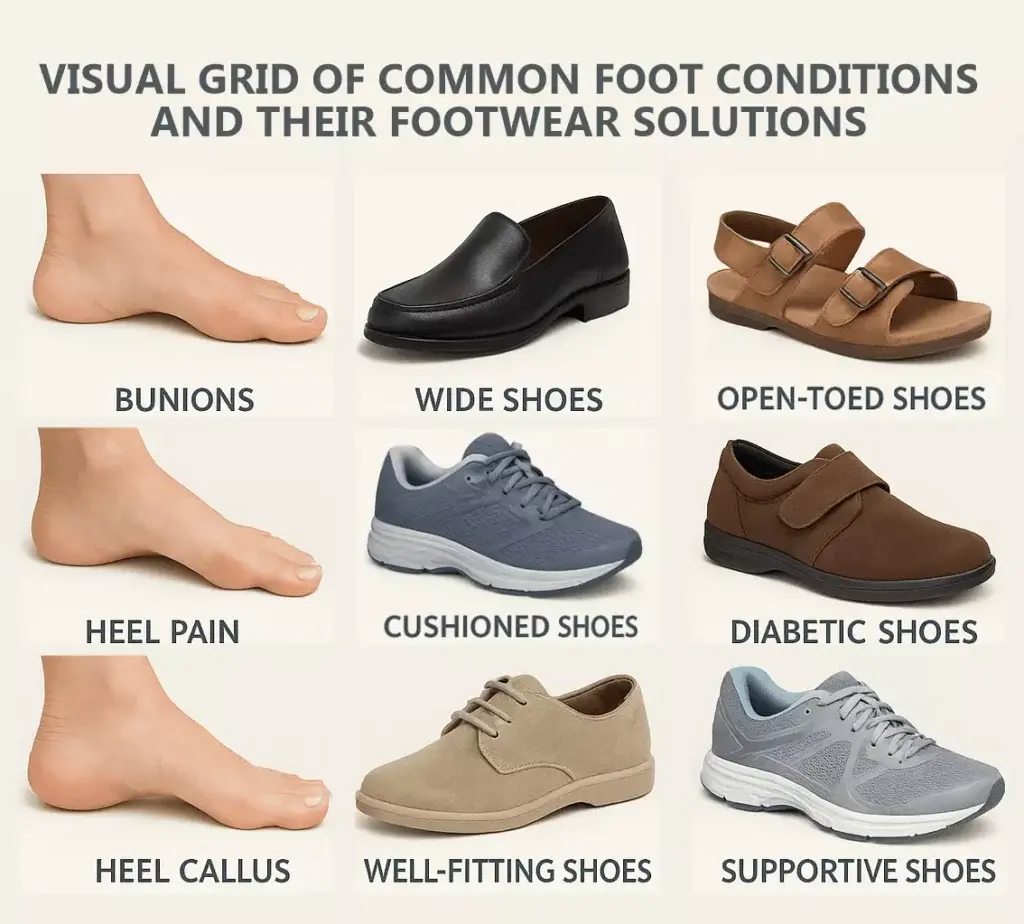
Choosing the right supportive footwear can play a critical role in managing foot pain and preventing more serious lower-limb conditions. According to podiatrists, patients experiencing chronic foot discomfort often see improvement when they switch to shoes designed with appropriate support and cushioning.
For clinicians working in orthotics and prosthetics across the IMEA region, footwear assessment should be considered an essential part of conservative foot and ankle care.
Footwear as a First-Line Intervention
Foot pain is frequently linked to inadequate footwear. Shoes that lack proper support can increase stress on the plantar fascia, ligaments and surrounding soft tissues.
Podiatrists emphasise that supportive footwear should be one of the first interventions for conditions such as:
- plantar fasciitis
- flat feet or overpronation
- forefoot overload
- general foot fatigue
Footwear that includes appropriate arch support and cushioning can help align the foot and reduce strain on muscles and ligaments.
For many patients, this simple change can significantly reduce pain during daily activities.
Key Footwear Features Clinicians Should Assess
When recommending footwear, podiatrists highlight several important structural features that influence comfort and biomechanical performance.
Arch Support
Proper arch support helps maintain foot alignment and reduces excessive pronation during gait. It can also distribute load more evenly across the foot.
Without adequate arch support, the plantar fascia may experience increased tension, contributing to chronic heel pain.
Cushioning and Shock Absorption
Midsole cushioning is another critical factor in supportive footwear. Cushioned shoes help absorb impact forces during walking or running.
This shock absorption reduces stress on the heel, ankle and knee joints.
However, clinicians should also ensure that excessive cushioning does not compromise stability.
Heel Counter Stability
A firm heel counter stabilises the rearfoot and prevents excessive motion during the stance phase of gait.
Stable heel support can improve alignment and reduce abnormal loading patterns that contribute to overuse injuries.
Appropriate Fit
Proper sizing and toe box width are equally important. Footwear that is too narrow or too loose can cause friction, pressure points and altered gait patterns.
Clinicians should encourage patients to try footwear later in the day when feet are slightly swollen to achieve a more accurate fit.
The Role of Orthotics in Footwear Management
Supportive footwear alone may not fully resolve symptoms for patients with structural or biomechanical issues.
In these cases, custom orthoses or prefabricated inserts can be used to enhance support and redistribute plantar pressure.
Orthoses can help:
- improve foot alignment
- offload high-pressure areas
- reduce strain on the plantar fascia
Integrating orthotic therapy with appropriate footwear provides a more comprehensive treatment strategy.
Implications for IMEA Clinical Practice
Across the Middle East, India and Africa, many patients still rely on unsupportive footwear such as flat sandals or thin-soled shoes. These styles may increase the risk of chronic foot pain and musculoskeletal problems.
Orthotists, podiatrists and rehabilitation clinicians should consider footwear education as part of routine patient management.
Encouraging supportive footwear can improve mobility, reduce pain and prevent more serious conditions that may later require orthotic intervention.
A Simple Step Toward Better Foot Health
While advanced orthotic technologies continue to evolve, the importance of basic footwear selection remains unchanged.
For many patients, simply choosing the right shoes can significantly improve comfort and function.
For clinicians, combining footwear guidance, orthotic support and biomechanical assessment remains one of the most effective strategies for managing foot pain and promoting long-term lower-limb health.