 By
By

Demand for podiatry services delivered directly in patients’ homes is increasing in many healthcare systems worldwide. Originally highlighted in ageing-care discussions in countries such as Australia, the trend reflects a broader shift toward community-based care and preventative foot health services. However, the opportunity may be even more significant across the cities of the Gulf Cooperation Council (GCC), where diabetes prevalence, urban lifestyles and mobility challenges are driving demand for accessible foot care.
Why Patients Prefer Home-Based Foot Care
As people age or develop chronic health conditions, accessing clinic-based services can become difficult. Many elderly patients experience mobility issues, reduced endurance or transportation barriers, making routine foot care appointments challenging. Home visits remove these obstacles and allow clinicians to provide treatment in a familiar environment.
Foot care delivered at home can also improve treatment adherence and comfort for patients who may feel anxious or fatigued travelling to clinics. Importantly, early identification of foot problems during regular visits can prevent complications that might otherwise lead to hospitalisation or surgery.
Ageing and Chronic Disease Increase Demand
Globally, demand for podiatry services rises significantly with age because foot problems become more common over time and are closely associated with chronic conditions such as diabetes and arthritis.
In the GCC, this challenge is amplified by the region’s extremely high diabetes prevalence. Countries such as Saudi Arabia, Kuwait, Qatar and the UAE have some of the world’s highest rates of diabetes-related complications, including neuropathy, ulceration and diabetic foot disease. Preventative podiatry therefore plays a crucial role in reducing the risk of infection, hospitalisation and amputation.
GCC Cities Are Ideal for Mobile Podiatry Services
Major Gulf cities present a unique environment for home-visit podiatry models. Large metropolitan areas such as Riyadh, Jeddah, Dubai, Abu Dhabi, Doha and Kuwait City combine high population density with strong demand for convenience-based healthcare services.
Several factors make home podiatry particularly attractive in the region:
- Large diabetic populations requiring routine foot monitoring
- Growing elderly populations with mobility limitations
- Long travel distances within major cities
- Increasing demand for private, concierge-style healthcare
- Strong household caregiving structures
For many patients, especially older adults or those recovering from neurological conditions, regular podiatry visits at home can dramatically improve quality of life and mobility.
Preventive Care Reduces Healthcare Costs
Healthcare systems across the GCC are increasingly focusing on preventive medicine and community-based care. Routine foot assessments, nail management, pressure offloading and early ulcer detection can prevent serious complications and reduce the burden on hospital systems.
Evidence shows that podiatry interventions can significantly reduce fall risk and improve mobility among older adults, highlighting the broader health benefits of accessible foot care.
As a result, home-visit podiatry services are likely to become an important component of integrated healthcare systems, particularly within diabetes management programmes and rehabilitation services.
New Opportunities for Clinics and Practitioners
For podiatrists and rehabilitation professionals, the mobile podiatry model opens significant commercial and clinical opportunities. Services can be delivered either as standalone mobile practices or as an extension of existing clinics and multidisciplinary rehabilitation centres.
Typical services delivered during home visits may include:
- Diabetic foot screening and ulcer monitoring
- Nail and skin care for elderly patients
- Pressure assessment and footwear advice
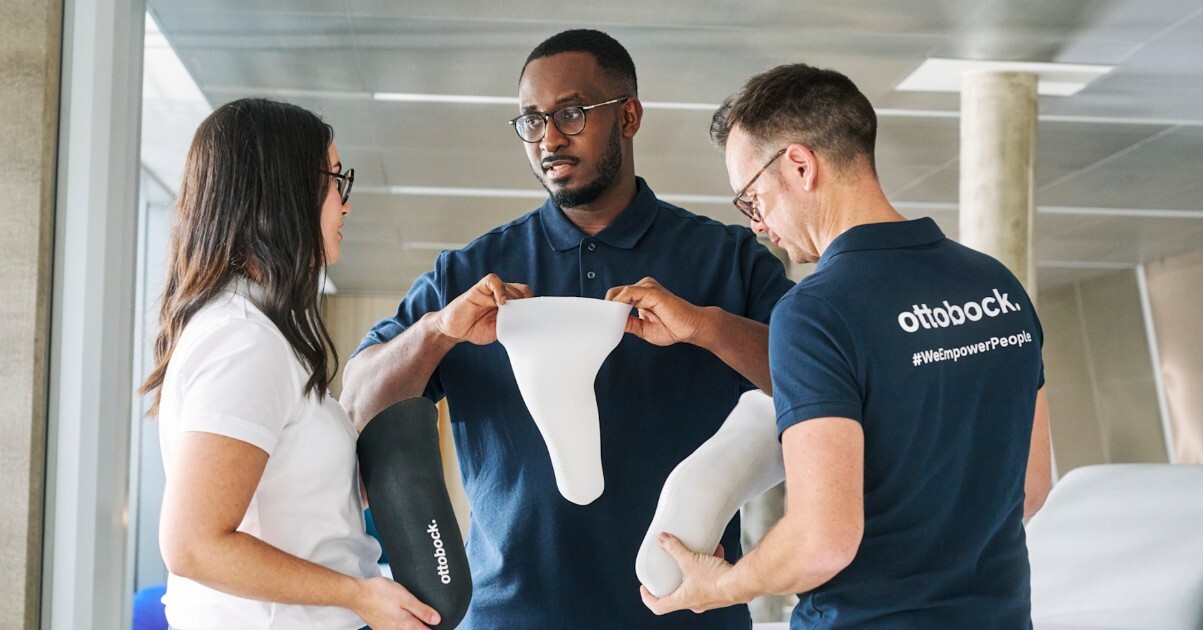
- Orthotic assessment and fitting
- Rehabilitation support following surgery or injury
Portable clinical equipment and digital tools are making it increasingly easy for practitioners to deliver high-quality care outside traditional clinic settings.
The Future of Community Foot Care in the GCC
As healthcare delivery continues shifting toward home-based and community services, podiatry is well positioned to play a central role in preventive care across the Gulf region.
For patients, home-visit podiatry provides convenience, comfort and improved adherence to treatment. For healthcare systems, it offers a cost-effective strategy to prevent complications associated with diabetes, ageing and reduced mobility.
Across the rapidly growing cities of the GCC, mobile podiatry services may soon become an essential component of modern rehabilitation and chronic disease management, helping thousands of patients maintain independence, mobility and overall foot health.