 By
By
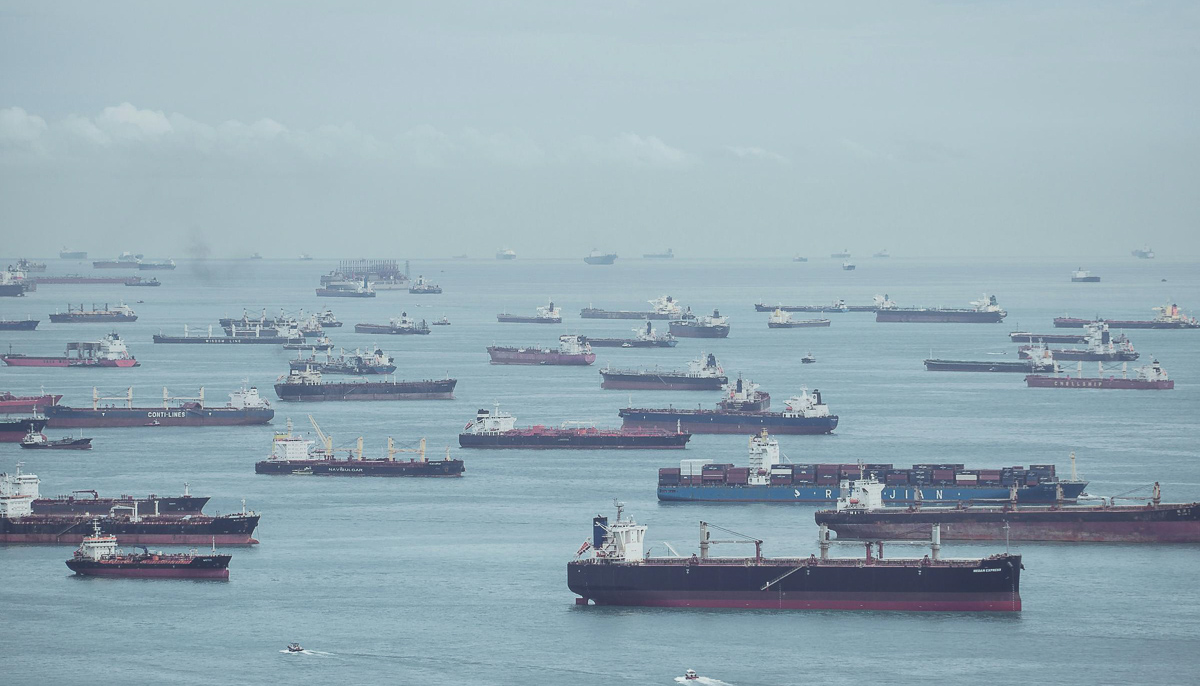
The widening war involving Iran is not a distant geopolitical story for the orthotics and prosthetics industry. It is already becoming a supply-chain, cost, logistics, and humanitarian-access story that reaches far beyond the Middle East. As of late March 2026, the conflict has severely disrupted shipping through the Strait of Hormuz, with Reuters reporting that around one-fifth of global oil and LNG flows have been affected and that shipping risk in the corridor has risen sharply.
For the global O&P sector, the first impact is materials cost inflation. Orthotic and prosthetic manufacturing depends heavily on polymers, foams, resins, packaging plastics, and transport-intensive component supply chains. When oil and gas markets are disrupted, downstream petrochemical prices move with them. Reuters reported this week that the war has pushed up oil prices by more than 30% and is already benefiting coal-to-chemicals producers as conventional petrochemical competitors are squeezed. At the same time, major plastics suppliers have begun raising resin prices as Hormuz disruption constrains feedstocks such as naphtha.
That matters directly for O&P workshops and manufacturers because many commonly used inputs either are petrochemical products themselves or depend on petrochemical processing. Polypropylene, polyethylene, EVA-adjacent supply chains, packaging materials, adhesives, liners, and accessory plastics all sit downstream of the same energy and chemicals ecosystem now under stress. Even outside the O&P field, reports from India are already warning that polymer shortages tied to Hormuz disruption are affecting medical-device manufacturing and pushing polypropylene and polyethylene prices sharply higher.
The second major impact is freight and lead-time disruption. Even when products can still be sourced, getting them where they need to go is becoming more difficult and more expensive. Reuters reports that Western powers were already unable to fully secure Red Sea shipping before this crisis, and that Hormuz is harder still. Other reporting notes that rerouting around disrupted choke points can add 10 to 14 days of transit time. For O&P businesses, that means slower deliveries of components, longer replenishment cycles, and higher inventory risk for clinics and distributors that depend on imports.
This is especially serious for countries that do not manufacture much of their own O&P material base. Large parts of Africa, the Middle East, and South Asia rely on imported joints, feet, pylons, lamination materials, thermoplastics, and consumables. In those markets, a war-driven freight shock does not just raise costs at the margin. It can interrupt service continuity entirely. Clinics that normally operate with lean inventories may suddenly find that a delayed shipment means cancelled fittings, postponed repairs, or longer waits for definitive devices. That is a reasoned industry inference supported by the documented shipping and petrochemical disruption now underway.
A third effect is energy cost pressure on manufacturing itself. Carbon fiber production is widely recognized as energy-intensive, and even if an O&P company is not buying from the Middle East directly, war-driven energy inflation can still push up the cost base of composite manufacturing and industrial processing elsewhere. A 2025 peer-reviewed review of carbon-fiber manufacturing highlighted its substantial energy demand and fossil-based feedstock dependence. In other words, the Iran war can raise O&P costs not only through shipping and plastics, but also through the broader energy burden embedded in advanced materials production.
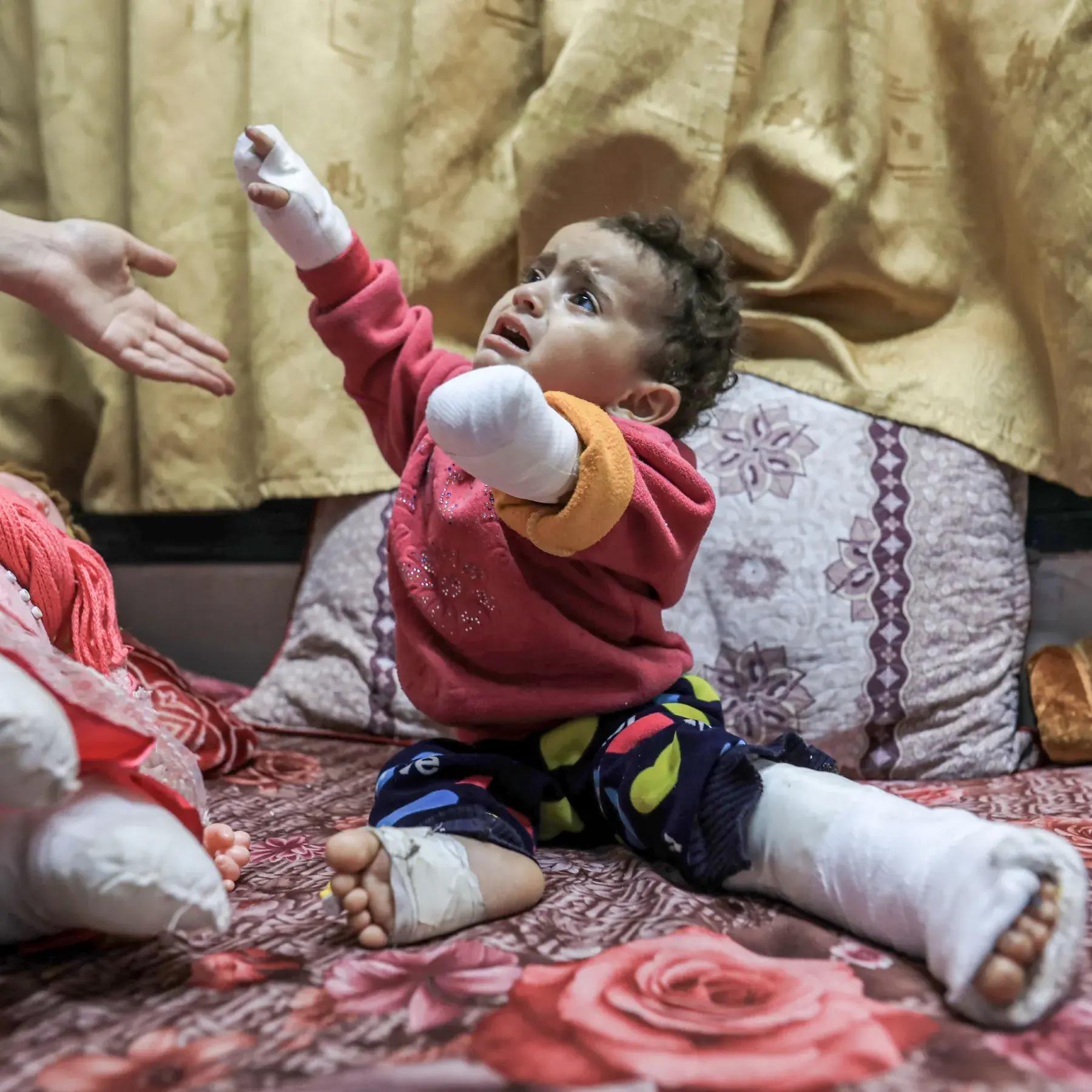
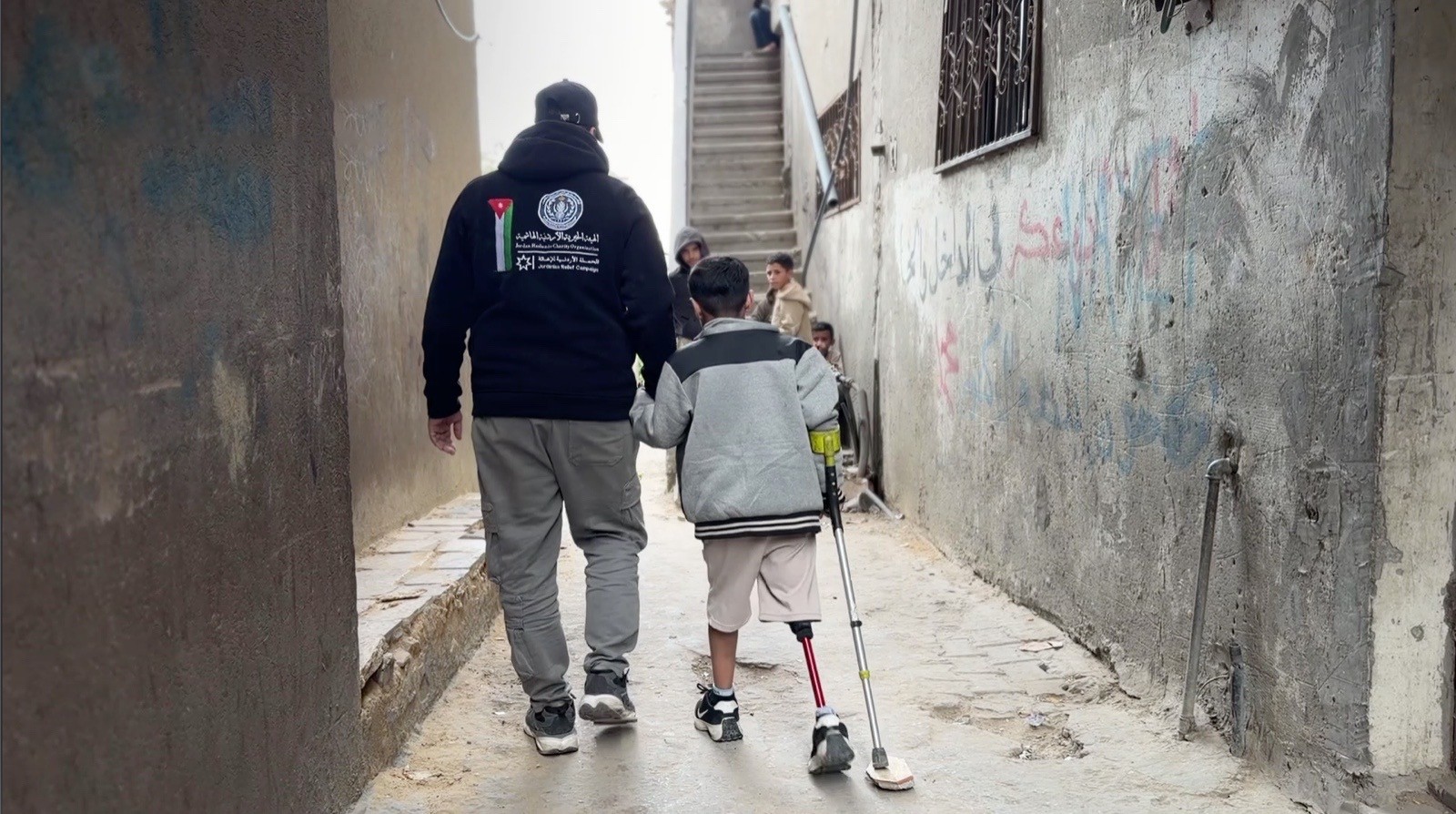
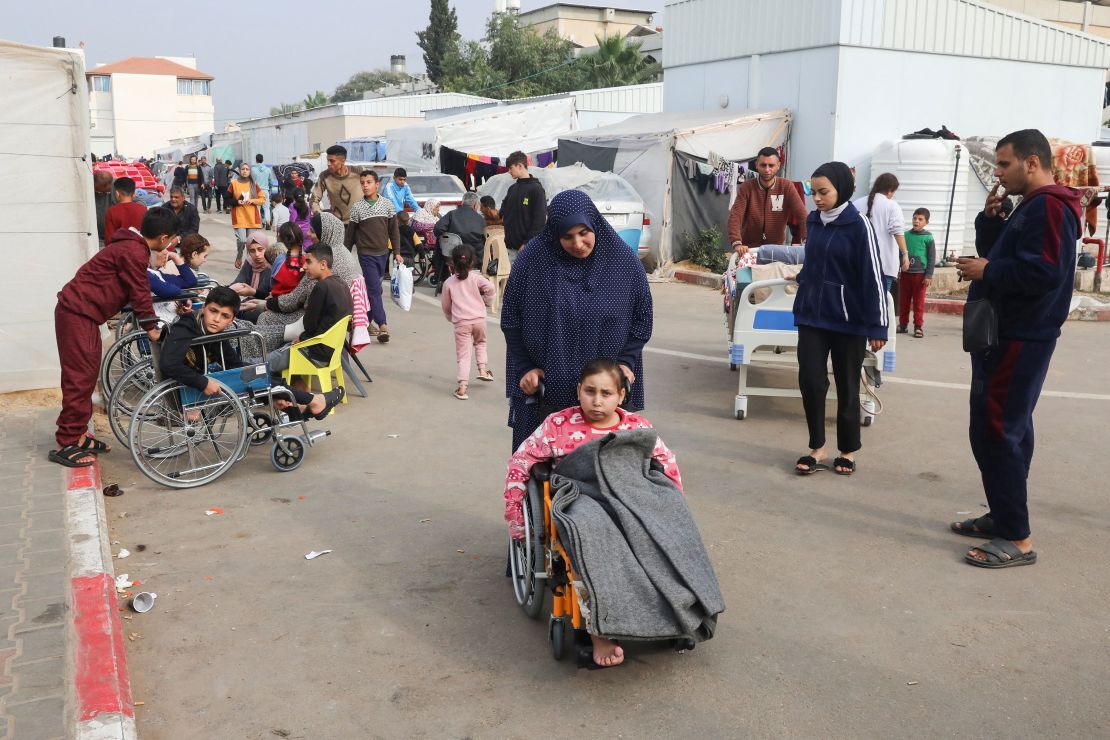
The fourth and perhaps most overlooked effect is humanitarian rehabilitation pressure. War does not only disrupt supply. It also creates new injuries, amputations, and long-term disability. The ICRC warned in early March that widening hostilities across the Middle East risk overwhelming humanitarian response capacity. WHO, meanwhile, has repeatedly stressed that conflicts create enormous surges in rehabilitation and assistive technology needs, and that prostheses, orthoses, wheelchairs, and related products must be treated as essential components of emergency health response.
That point is not theoretical. Reuters recently reported that the broader regional war environment is already putting global humanitarian operations at risk because airspace closures, freight disruption, and halted shipping are undermining aid delivery. In Gaza alone, Reuters reported last year that thousands of new amputees were in need of prosthetic care, with treatment badly delayed by supply constraints. The lesson for the O&P profession is clear: the same conflict that raises material costs is also increasing the number of people who need rehabilitation, assistive technology, and long-term physical recovery.
For manufacturers, this creates a difficult double bind. On one side, the war makes production and logistics more expensive. On the other, it increases humanitarian and clinical demand for affordable devices. That tension is likely to push the industry in two directions at once: toward tighter procurement discipline and toward greater interest in local or regionalized manufacturing. The more volatile Hormuz and Red Sea shipping become, the stronger the argument for holding more buffer stock, shortening supply chains, and developing local capacity for thermoplastic, 3D printing, and basic component assembly where possible. This is an inference, but it follows directly from the now-visible exposure of O&P supply chains to maritime choke points and petrochemical price shocks.
The war also sharpens the case for lower-cost, repairable, and material-efficient design. In periods of stable trade, premium device ecosystems can tolerate more waste, more specialized parts, and more dependence on long-distance sourcing. In periods of conflict-driven disruption, the products that win are often the ones that are durable, repairable, and less exposed to volatile upstream inputs. For O&P providers working in IMEA markets, that may mean renewed interest in simpler modular systems, locally serviceable components, and designs that reduce remakes and material scrap.
None of this means the global O&P industry stops. But it does mean the industry becomes more unequal. Large multinational firms with diversified sourcing, deep inventories, and stronger balance sheets are better positioned to absorb price spikes and shipment delays. Smaller clinics, independent distributors, humanitarian workshops, and public-sector providers in low- and middle-income countries are much more exposed. In practice, the Iran war is likely to widen the gap between those who can cushion disruption and those who cannot. That is a commercial inference, but it is consistent with the current pattern of rising freight risk, plastics inflation, and humanitarian strain.
The biggest strategic takeaway is that the Iran war is not just an oil story. It is an O&P industry story because orthotics and prosthetics sit at the crossroads of energy, plastics, logistics, and rehabilitation. When maritime choke points fail, resin prices jump, and regional conflict expands, the consequences show up in socket materials, liner availability, clinic waiting lists, freight invoices, and amputee access to care.
For the industry, the response should be practical. Companies and clinics need to know their materials exposure, diversify suppliers where possible, carry smarter stock, and invest in workflows that reduce dependence on fragile international routes. At the same time, donors, ministries, and humanitarian actors need to treat rehabilitation and assistive technology as core emergency health infrastructure, not optional add-ons. WHO’s position is unambiguous on that point: rehabilitation and assistive technology are essential in crises, not secondary services.
If the war continues, the orthotics and prosthetics industry will feel it in four ways: higher input costs, longer lead times, more volatile access to materials, and rising need for rehabilitation in conflict-affected populations. That combination will test every weak point in the sector’s current operating model. It may also accelerate a long-overdue shift toward more resilient, more regional, and more equitable ways of making and delivering O&P care.