 By
By
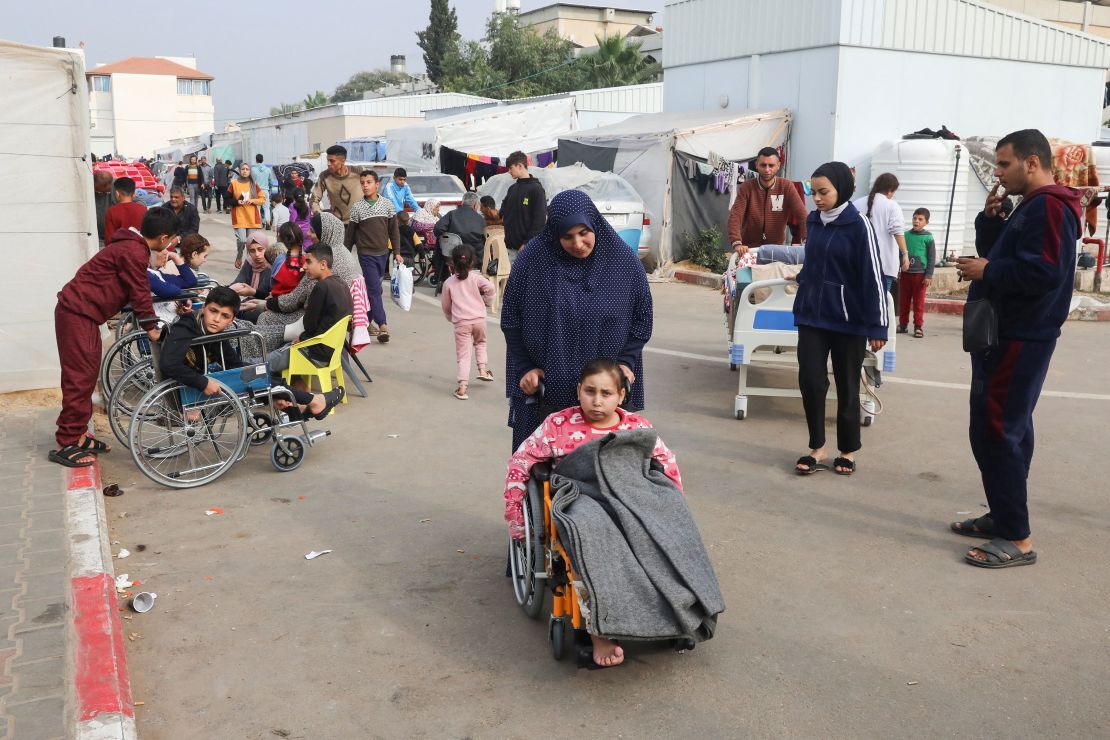
Thousands of people with disabilities in Gaza are facing severe hardship after losing essential assistive devices during the ongoing conflict, highlighting the growing humanitarian crisis affecting rehabilitation services in the region. Wheelchairs, prosthetic limbs, hearing aids, and other mobility equipment have been destroyed, buried under rubble, or lost during repeated displacement, leaving many individuals unable to move, communicate, or live independently.
Community rehabilitation specialists report that a large proportion of people with disabilities have either lost their assistive devices or seen them damaged since the escalation of violence began. For many, these devices are not optional aids but essential tools for daily life, enabling access to education, employment, and social participation. Losing a prosthetic limb or wheelchair often means losing the ability to function independently, increasing both physical and psychological distress.
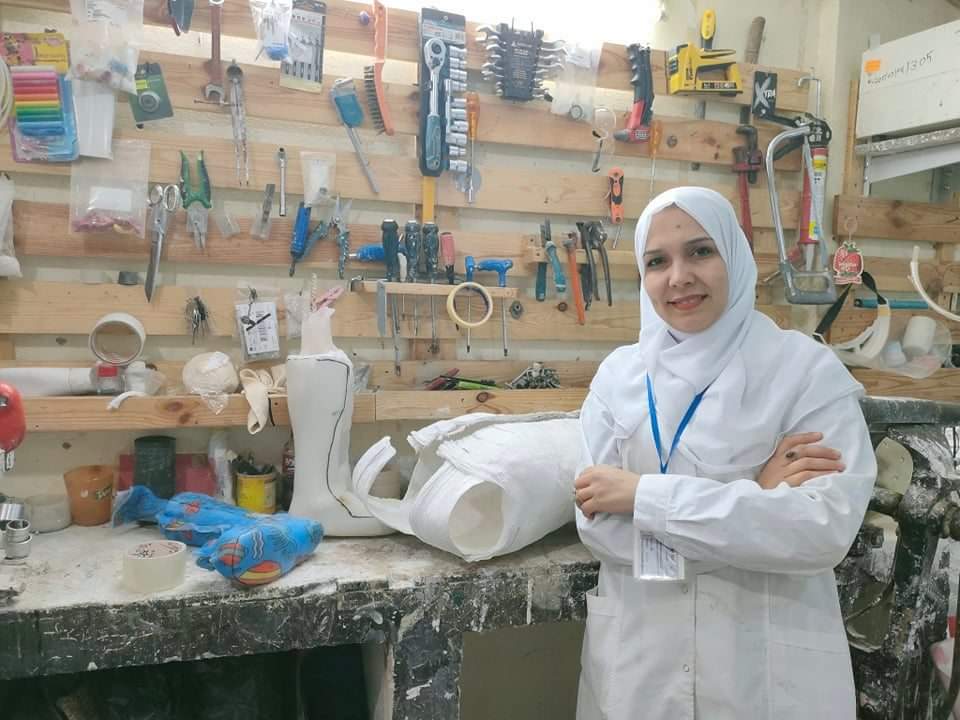
The situation has been made worse by the destruction of rehabilitation centres and prosthetic workshops, as well as severe disruption to supply chains for components and materials. With health services already under pressure, the growing number of war-related injuries and amputations has created demand that far exceeds the capacity of local providers to respond.
Women and girls with disabilities are reported to be particularly affected, as overcrowded displacement shelters and limited access to support services have increased isolation and reduced their ability to participate in daily activities. The lack of appropriate assistive devices has also prevented many children from attending school and adults from working, placing additional financial and emotional strain on families.
Rehabilitation professionals have called for urgent international support to replace damaged assistive devices, rebuild prosthetic and orthotic services, and ensure that the needs of persons with disabilities are fully included in humanitarian response plans. Experts stress that providing mobility aids is not only a medical necessity but also a critical step toward restoring dignity, independence, and social inclusion for those affected by the conflict.
The crisis in Gaza underscores the vital role of prosthetic and orthotic services in emergency settings, where access to mobility equipment can determine whether a person is able to return to school, work, and community life, or remain trapped in long-term dependency.