 By
By
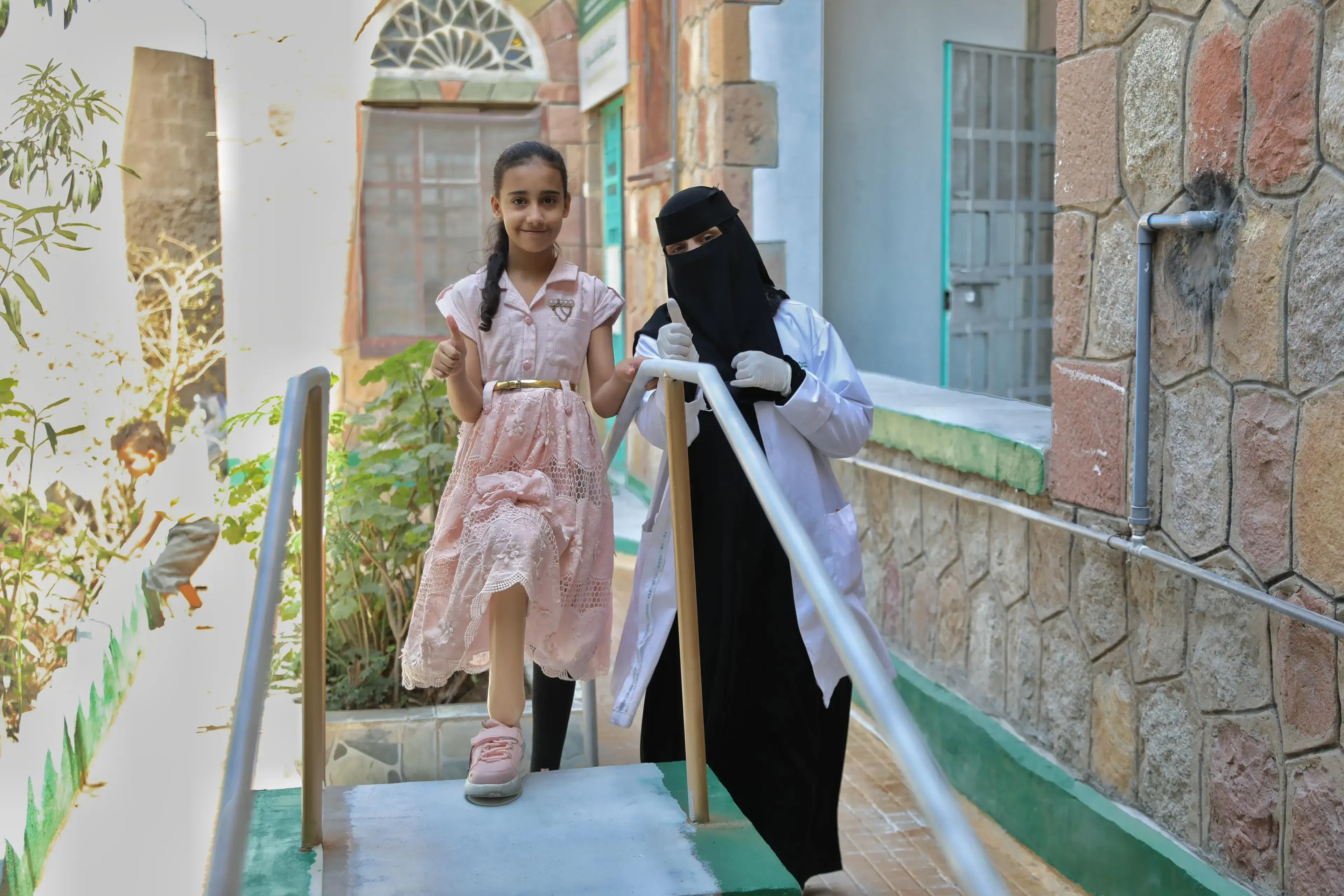
The Prosthetics and Rehabilitation Center in Yemen’s Taiz Governorate continued to expand access to essential rehabilitation services in February 2026, providing care to 674 people living with limb loss through support from the King Salman Humanitarian Aid and Relief Center (KSrelief).
During the month, the centre delivered a total of 2,174 services, reflecting the ongoing demand for prosthetic and rehabilitation support in one of Yemen’s most challenging healthcare environments. According to the reported figures, 60% of beneficiaries were male and 40% were female, while 13% were displaced persons and 87% were local residents.
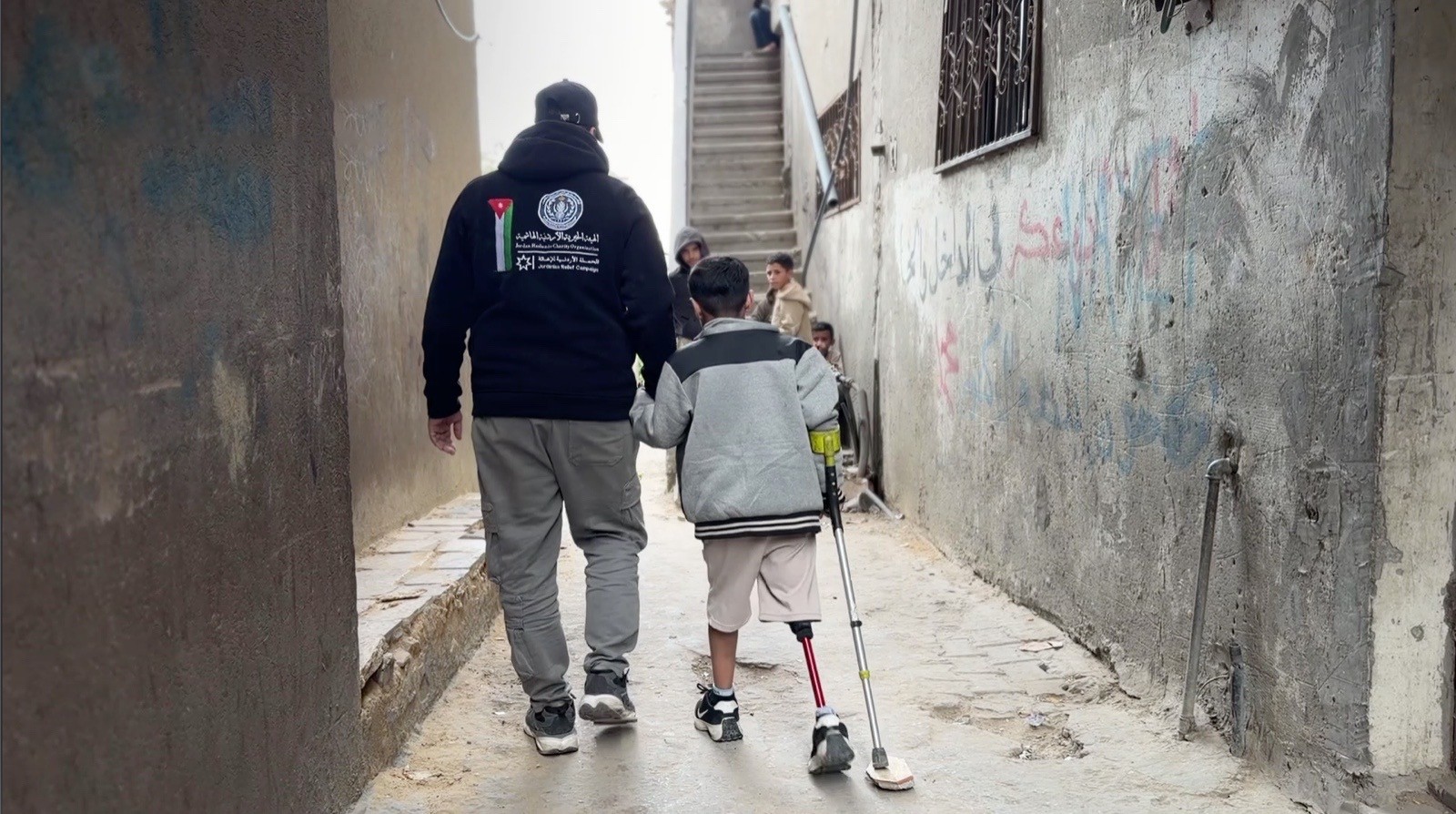
The services delivered during the month included prosthetic fitting, measurement, and maintenance, alongside physical therapy and specialised consultations. This combination of technical and clinical support highlights the broader role of the centre, which is not limited to supplying devices alone but also supports long-term function, follow-up care, and rehabilitation outcomes.
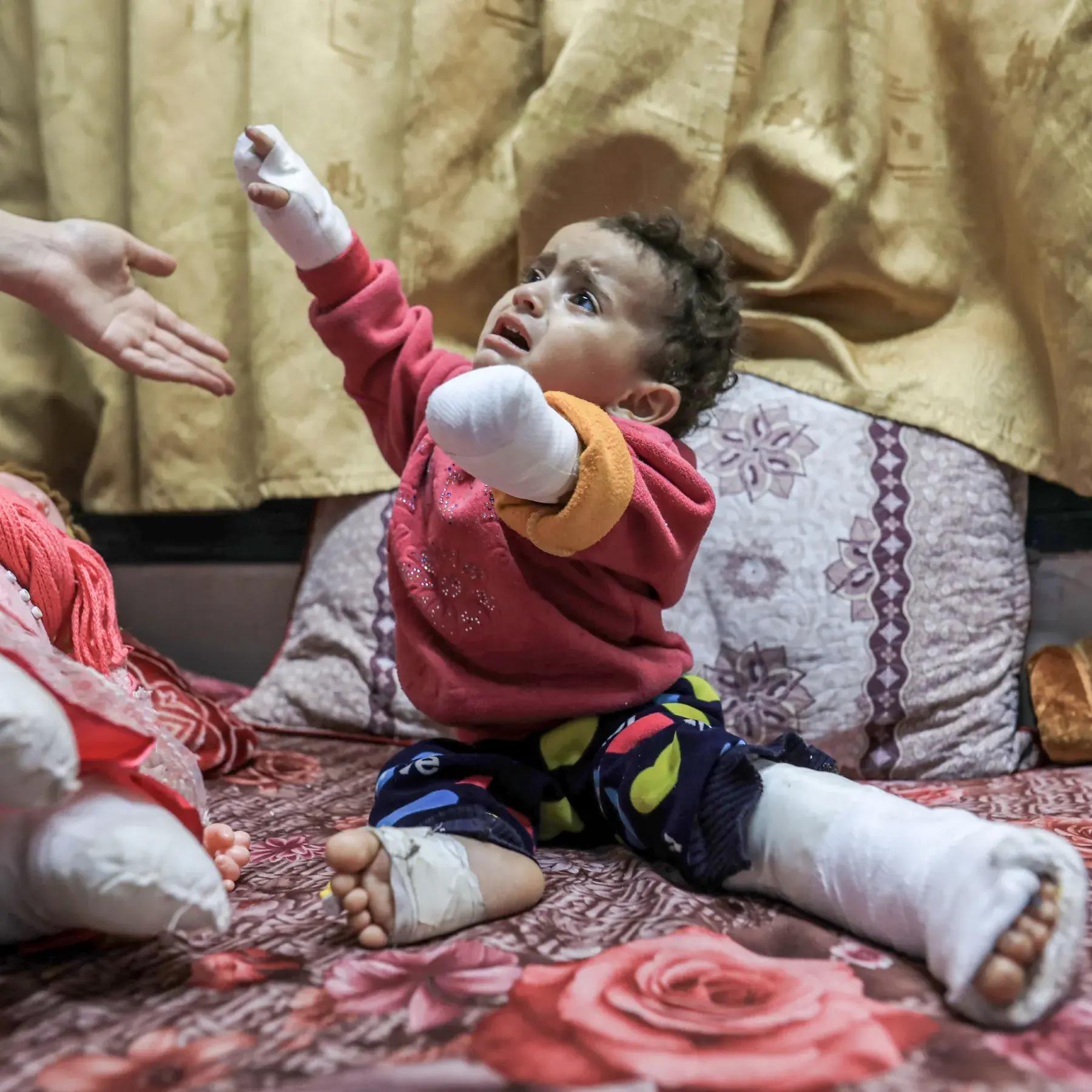
For patients living with limb loss, access to these services can be critical in restoring mobility, improving independence, and reducing the long-term physical and social consequences of disability. In a setting such as Taiz, where conflict and instability have placed sustained pressure on health infrastructure, rehabilitation centres play an especially important role in bridging the gap between injury and recovery.
The project forms part of Saudi Arabia’s wider humanitarian efforts in Yemen through KSrelief, with a focus on strengthening healthcare capacity and helping alleviate the suffering of the Yemeni population. In practical terms, this kind of support helps ensure that prosthetic services, physiotherapy, and specialist rehabilitation remain available to people who might otherwise struggle to access them.
For the wider IMEA rehabilitation sector, the Taiz programme is another reminder that humanitarian prosthetic care works best when it combines device provision, maintenance, therapy, and clinical consultation within one coordinated pathway. That integrated approach is especially important in conflict-affected settings, where interrupted care can quickly reduce the long-term effectiveness of rehabilitation interventions.