 By
By
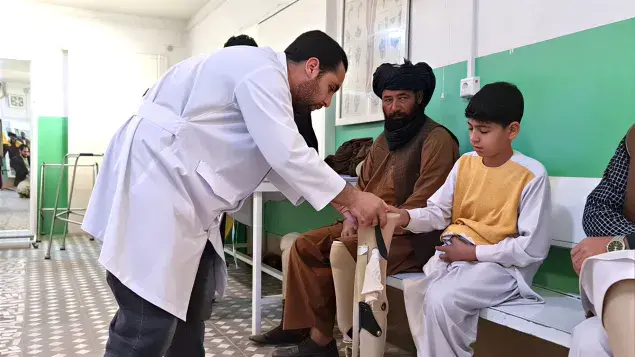
The International Committee of the Red Cross has warned that unexploded ordnance continues to devastate communities across Afghanistan, with children remaining the main victims of landmines and explosive remnants of war. In an article published on April 3, 2026, the ICRC said the scale of weapon contamination in Afghanistan is leaving children especially vulnerable as they live, play, and herd animals in areas where explosive hazards remain present.
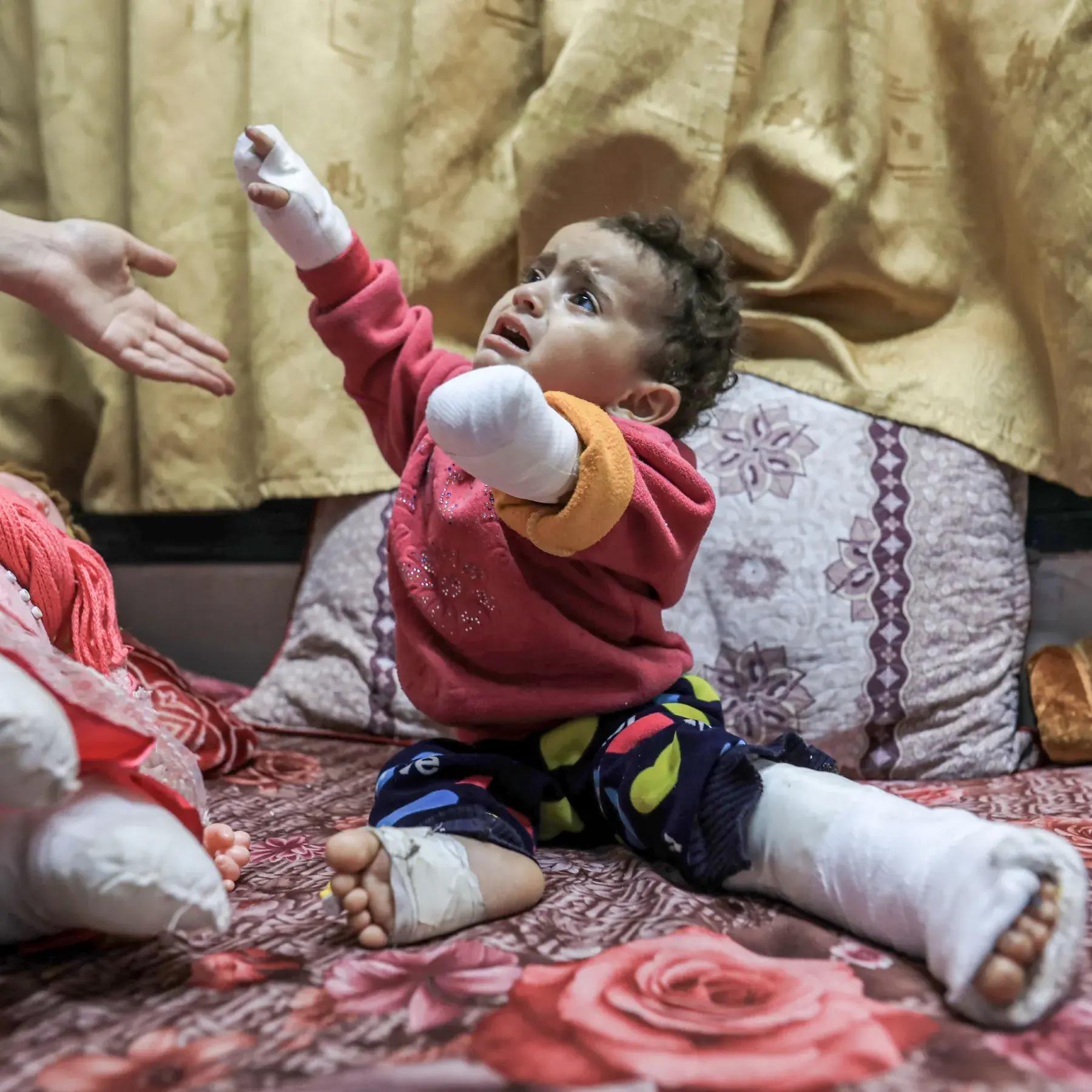
The humanitarian picture is severe. According to the ICRC, at least 92 people were killed and 375 injured by landmines and unexploded ordnance in Afghanistan in 2025, and children accounted for at least 66% of those victims. That means the issue is not simply one of legacy contamination from the past. It remains a current and active source of life-changing injury across the country.
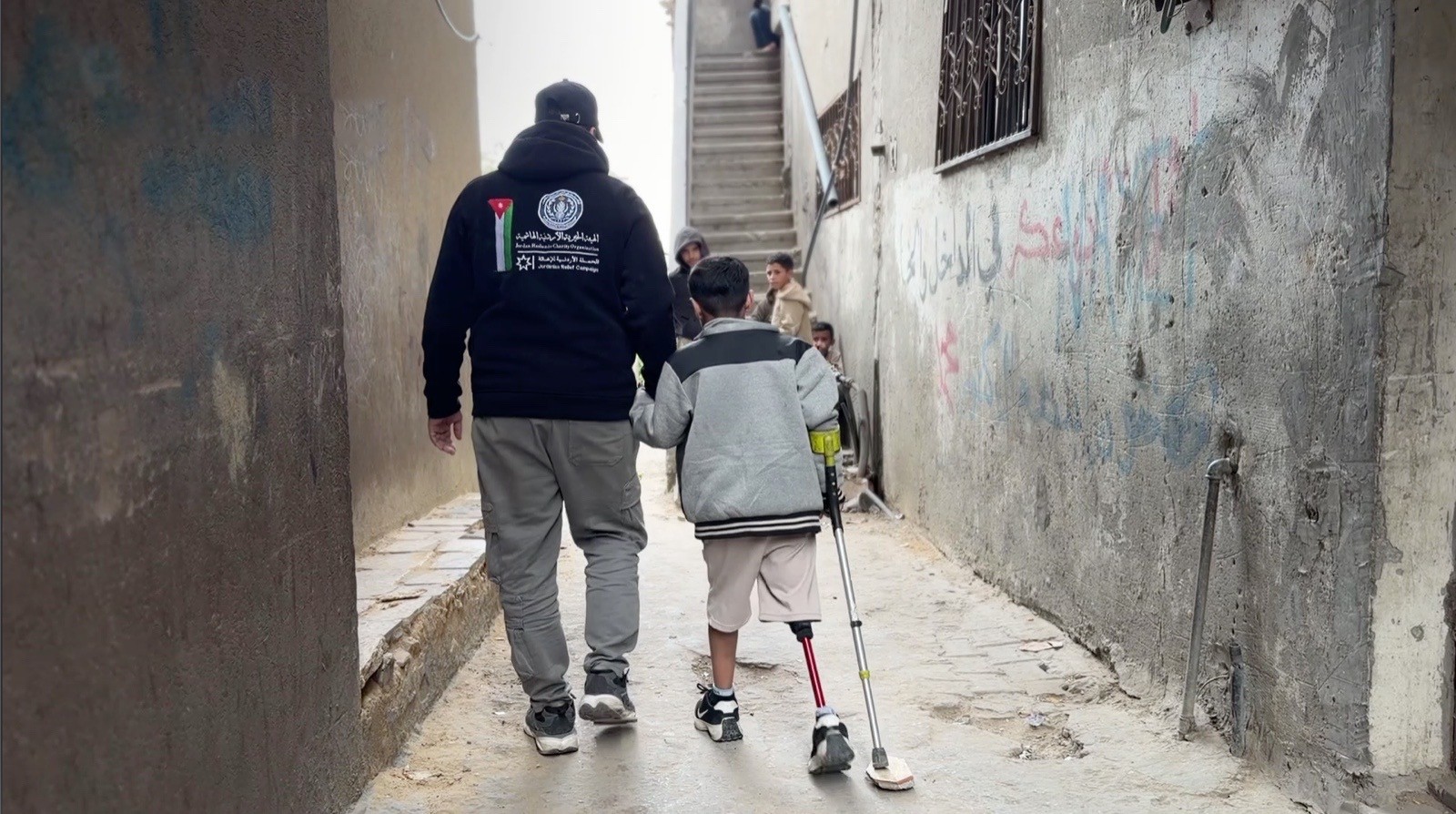
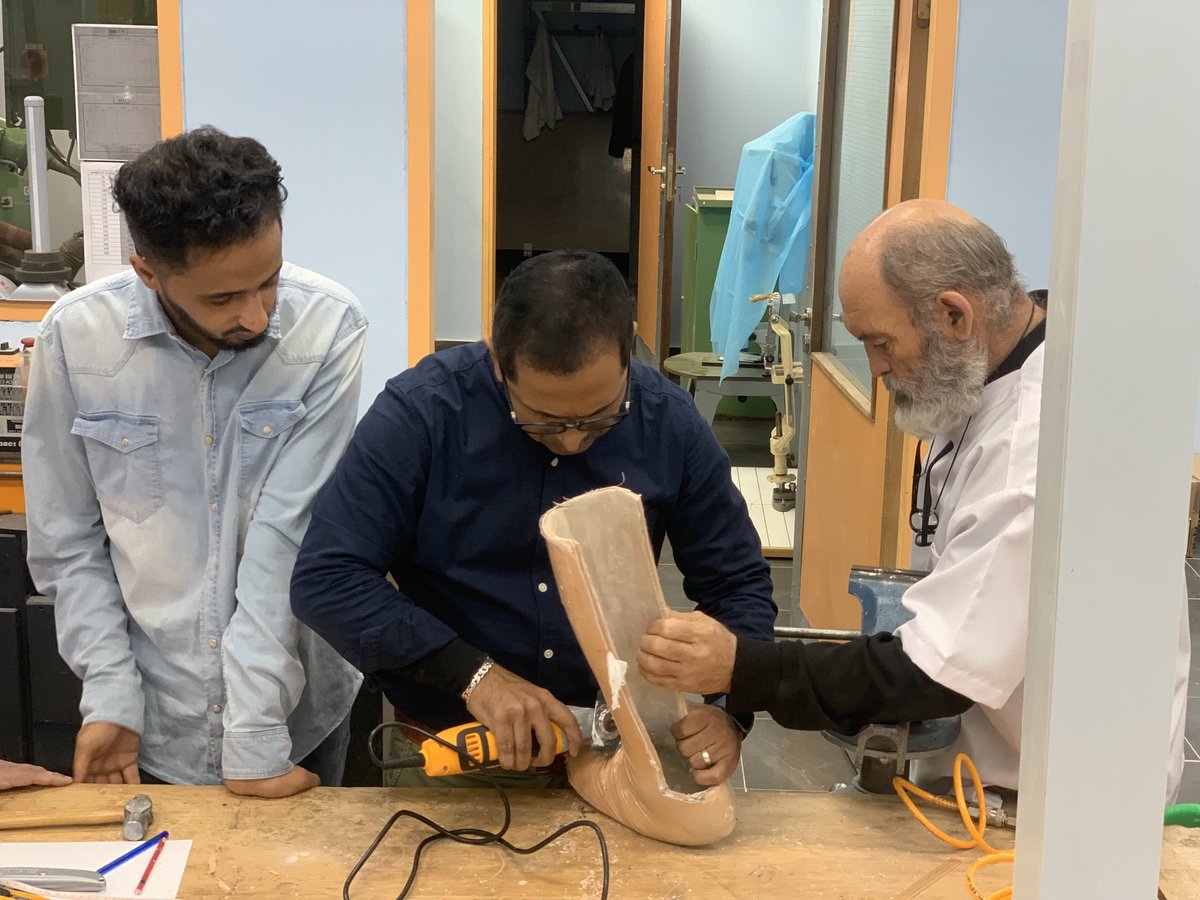
For IMEA CPO readers, the most important point is that this is also a long-term rehabilitation story. The ICRC said its physical rehabilitation centres in Afghanistan assisted more than 6,750 people affected by mines and explosive ordnance in 2025, with Kabul recording the highest number of beneficiaries, followed by Jalalabad, Mazar, and Herat. That caseload underlines the continuing demand for prosthetics, orthotics, physiotherapy, mobility devices, and long-term follow-up care for survivors.
The latest warning also builds on earlier ICRC reporting that showed how heavily children have been affected over time. In July 2023, the organization said 640 children were killed or injured in 541 incidents involving landmine explosions and explosive remnants between January 2022 and June 2023, representing nearly 60% of the total civilian casualties recorded in UXO-related incidents over that period. The new 2026 figures suggest that children’s exposure to explosive hazards remains a major protection and rehabilitation concern rather than a declining legacy issue.
This matters because the consequences of unexploded ordnance go far beyond the moment of injury. Survivors often face amputations, complex trauma, mobility loss, and long-term disability, while communities live with persistent fear, restricted movement, and reduced access to farmland, grazing areas, and safe play spaces. That interpretation is an inference, but it is strongly supported by the ICRC’s description of how children encounter explosive remnants in everyday settings and by the organization’s ongoing rehabilitation caseload.
The Afghanistan story also sits within a wider global warning from the ICRC. In a separate April 2026 article, the organization said at least 6,279 people were killed or injured by anti-personnel mines and other explosive remnants of war in 2024 worldwide, with about 90% of victims being civilians and almost half children. Afghanistan is therefore part of a broader global protection crisis, but one where the child casualty burden appears especially acute.
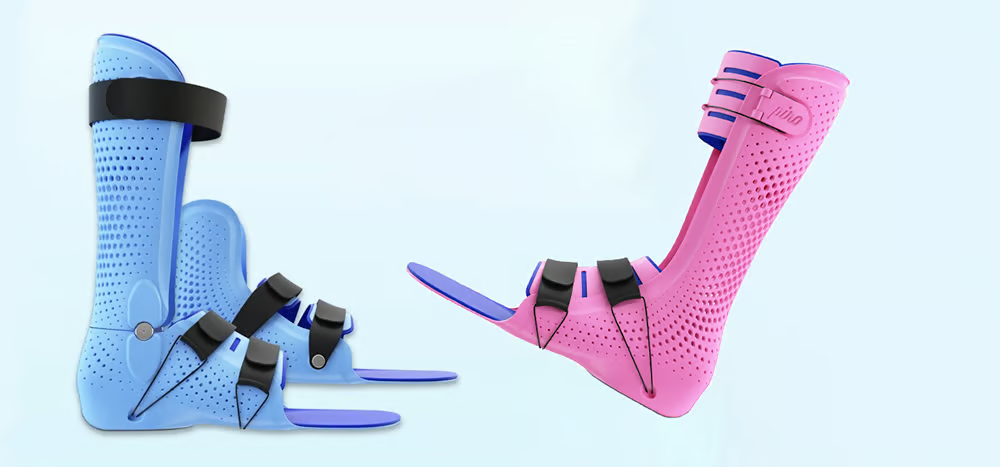
For orthotics, prosthetics, and rehabilitation audiences, the practical implication is clear. Countries affected by explosive contamination do not only need clearance and risk education. They also need sustained investment in prosthetic and orthotic services, repair and maintenance systems, mobility support, physiotherapy, and community reintegration for survivors whose injuries may shape the rest of their lives. That conclusion is an inference, but it follows directly from the ICRC’s reporting on victim numbers and rehabilitation demand in Afghanistan.
Why this matters
The ICRC’s latest warning is a reminder that unexploded ordnance in Afghanistan is not only a security issue. It is also a child protection issue, a disability issue, and a rehabilitation issue. As long as explosive remnants continue to injure large numbers of children, Afghanistan’s need for prosthetic care, physical rehabilitation, and long-term survivor support will remain substantial.