 By
By
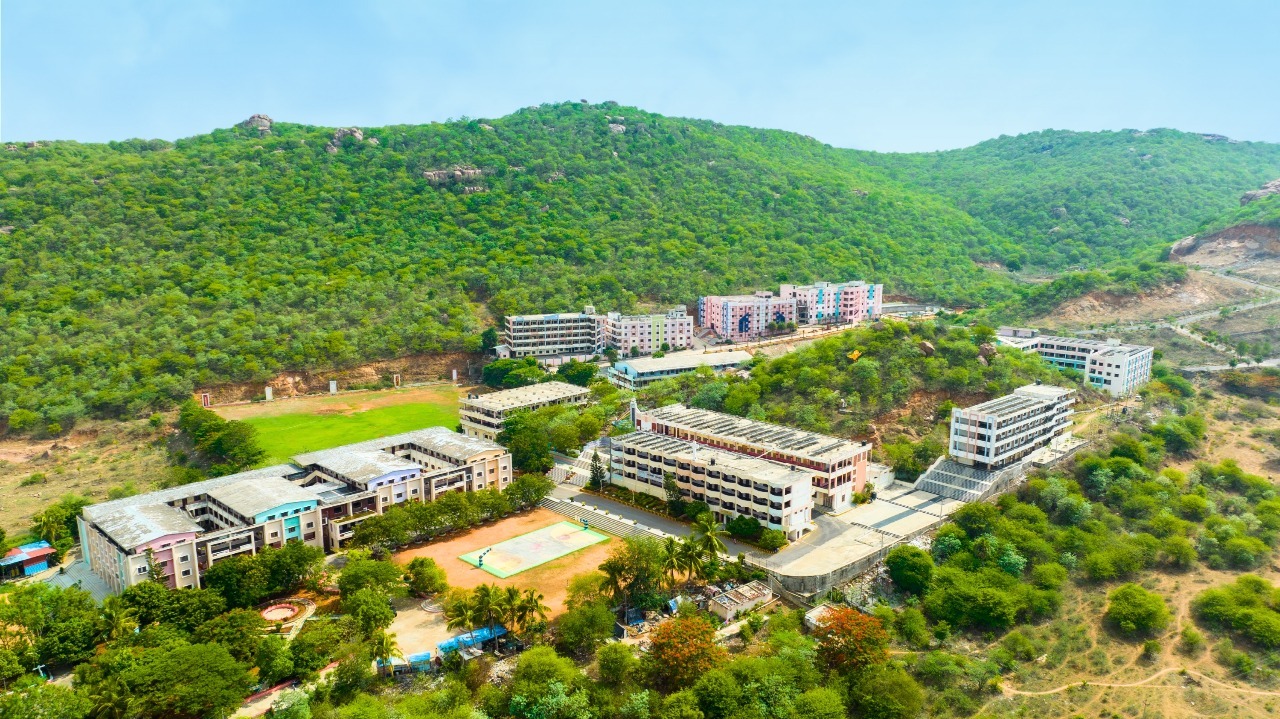
A new opinion piece in News Heads argues that India’s growing rehabilitation and long-term care pressures cannot be addressed through disconnected education pathways, and that the country now needs more integrated models linking rehabilitation sciences, allied health, psychology, special education, public health, nursing, assistive technology, and prosthetics and orthotics. The article, written by K. Sri Harsha Shashank, CEO of St. Mary’s Rehabilitation University (SMRU), frames this as a structural workforce issue rather than simply a question of adding more hospital beds or expanding isolated training programmes.
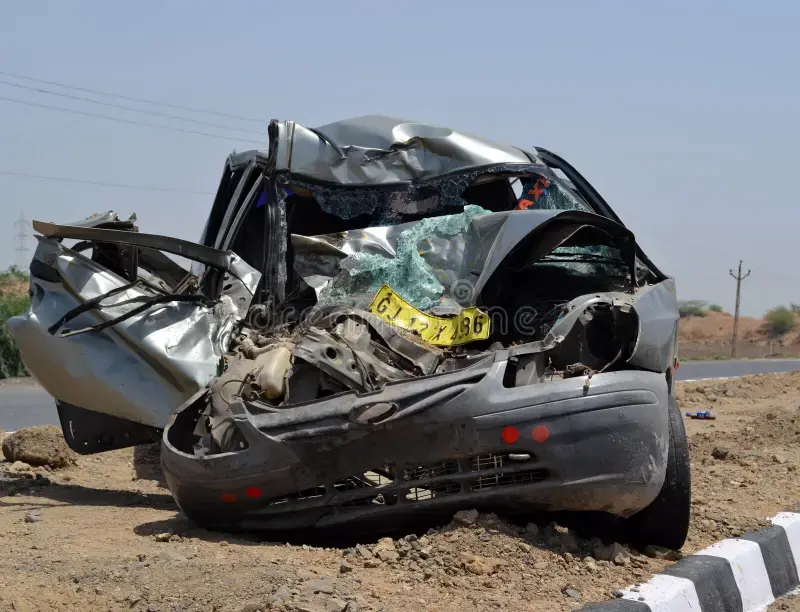
That argument lands at a time when the scale of rehabilitation need is becoming harder to ignore. The World Health Organization says about 2.4 billion people globally live with health conditions that may benefit from rehabilitation, while India’s own burden includes chronic disease, disability, ageing, trauma, neurological recovery, and developmental conditions. The original article points to several indicators of that pressure, including the fact that non-communicable diseases account for more than 66% of deaths in India, that Census 2011 recorded 2.68 crore persons with disabilities, and that India reported 480,583 road accidents in 2023, causing 172,890 deaths and 462,825 injuries.
The central point of the article is that India still tends to prepare its care workforce in silos, even though real-world recovery is multidisciplinary. As Shashank argues, a child with developmental delay may need therapy, speech-language support, special education, counselling, and long-term follow-up; a stroke survivor may need physiotherapy, assistive devices, speech rehabilitation, and psychological support; and a person recovering from trauma may move from surgery into orthotic support, mobility training, mental health care, and community-based rehabilitation. In that context, the article argues that fragmented training produces fragmented care.
For IMEA CPO readers, that is the most relevant part of the piece. In practice, prosthetics and orthotics rarely operate as standalone services. Outcomes often depend on how well O&P provision connects with rehabilitation medicine, physiotherapy, occupational therapy, speech and language support, nursing, psychology, assistive technology, and community reintegration. A workforce trained in isolation may produce qualified professionals, but not necessarily teams equipped to manage continuity of care across the full patient journey. That is an inference from the article’s argument, but it is a fair one.
The article also ties its case to India’s current policy direction. It notes that the National Commission for Allied and Healthcare Professions (NCAHP) reflects a broader recognition that healthcare outcomes depend on more than doctor-led models alone. Official NCAHP materials describe the body as a common regulatory framework for allied and healthcare professions, aimed at maintaining standards of education and services across a wide professional landscape. That wider architecture matters because rehabilitation growth in India will depend not only on specialist clinicians, but also on therapy, diagnostics, behavioural sciences, nursing, assistive technologies, and applied interdisciplinary care.
Shashank presents SMRU as an example of the kind of integrated academic-clinical model he believes India needs. According to the article, the proposed university has been conceived around a linked ecosystem of rehabilitation sciences, allied health, psychology, special needs education, audiology and speech-language pathology, prosthetics and orthotics, rehabilitation engineering, nursing, public health, and assistive technologies. The article says the Government of Telangana’s Letter of Intent recommended a mix of these disciplines, positioning the model not as a narrow specialty school but as a broader workforce response. Because the piece is written by SMRU’s CEO, readers should view it as both a policy argument and a case for that specific institutional model.
That said, the broader issue it raises is real. India’s healthcare debate often focuses on acute care capacity, but much less attention is given to what happens after survival: how people regain function, re-enter education, return to work, or live independently after stroke, trauma, developmental delay, cancer, disability, or neurological injury. WHO’s global rehabilitation data and India’s own disability and road-injury statistics support the article’s larger point that functional recovery is becoming a much more central health-system issue.
For the O&P sector, this matters because education design affects service design. If prosthetics and orthotics are taught and deployed as isolated technical disciplines, they risk being undervalued or disconnected from the broader pathways that determine patient outcomes. If, however, they are embedded in interdisciplinary ecosystems that include clinical exposure, assistive technology, community linkage, and recovery-focused teamwork, they are more likely to contribute to functional, measurable outcomes rather than device delivery alone. This is an inference, but it follows directly from the workforce logic laid out in the article.
The article’s strongest contribution is therefore not its promotion of one institution, but its insistence that India’s care crisis is also an education-design crisis. As the population ages, chronic disease expands, and more people survive conditions that require long-term rehabilitation, the country will need professionals who understand recovery as a continuum rather than as a set of separate interventions. For IMEA CPO readers, that is a debate worth watching closely, because it has direct implications for how prosthetics, orthotics, assistive technology, and allied rehabilitation professions are positioned in India’s next phase of health-system development.