 By
By
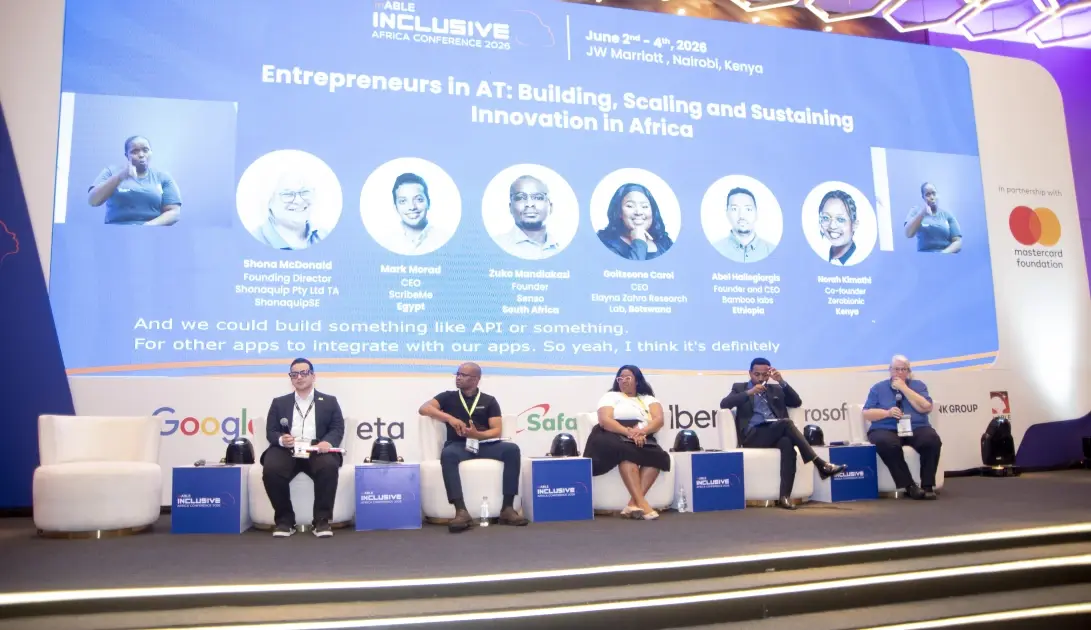
Inclusive Africa 2026 is placing digital accessibility, artificial intelligence and assistive technology at the centre of Africa’s disability inclusion conversation, as the regional conference takes place in Nairobi, Kenya, from 2–4 June 2026.
The annual event, hosted by inABLE, is being held under the theme “Accelerating Digital Accessibility and AI Solutions for Africa’s Future.” The 2026 edition brings together persons with disabilities, policymakers, accessibility specialists, technology companies, researchers, educators, innovators, entrepreneurs and development partners to discuss how digital systems can be made more inclusive across the continent.
For Africa’s rehabilitation, orthotics, prosthetics and assistive technology sectors, the conference is significant because accessibility is no longer limited to physical infrastructure. Increasingly, inclusion also depends on whether people with disabilities can access education platforms, health systems, employment tools, financial services, public information, artificial intelligence applications and digital government services.
The Inclusive Africa Conference has positioned itself as one of the continent’s leading platforms for digital accessibility and assistive technology. Its focus on AI in 2026 reflects a wider shift in disability inclusion: technology can expand access, but only if it is designed with disabled users, local languages, affordability, assistive devices and real-world service delivery in mind.
Across Africa, digital health, tele-rehabilitation, electronic patient records, mobile education tools and online service platforms are becoming increasingly important. For people with limb loss, mobility impairment, visual impairment, hearing impairment, neurodevelopmental conditions or communication needs, these systems can either reduce barriers or create new ones.
That makes digital accessibility directly relevant to clinicians, rehabilitation centres, assistive technology providers and policymakers. A prosthetic limb, orthosis, wheelchair or communication device may support physical function, but many users also need accessible digital pathways to education, work, healthcare, social protection and public services.
AI adds both opportunity and risk. Properly developed, AI tools could support screen readers, image description, speech recognition, translation into African languages, accessible learning, remote rehabilitation support, service navigation and improved assistive technology matching. Poorly designed systems, however, may exclude people with disabilities if they are not tested across diverse users, impairments, languages, devices and connectivity conditions.
The 2026 theme therefore comes at an important moment. Africa’s disability and rehabilitation communities are increasingly calling for technology that is locally relevant, affordable and inclusive from the start. This includes stronger involvement of persons with disabilities in product design, improved standards for accessibility, better procurement policies, and greater awareness among governments, developers and service providers.
For the O&P and rehabilitation sectors, Inclusive Africa 2026 also underlines the need to think beyond clinical treatment alone. Future service delivery will depend on connected ecosystems: accessible appointment systems, inclusive training platforms, digital fabrication tools, AI-supported design, remote follow-up, patient education, digital records and assistive technologies that work together.
The conference also reinforces the importance of cross-sector collaboration. Disability inclusion cannot be delivered by health systems alone. It requires cooperation between ministries, rehabilitation professionals, technology developers, universities, employers, disability organisations, donors and private companies.
As African countries expand digital transformation strategies, Inclusive Africa 2026 offers a timely reminder that accessibility must be built into national technology agendas from the beginning. AI and digital services should not become another layer of exclusion. They should help close gaps in access, independence and participation.
For IMEA CPO readers, the key message is clear: assistive technology is becoming both physical and digital. The future of rehabilitation in Africa will be shaped not only by devices, components and clinical skills, but also by whether digital and AI systems are accessible, ethical, affordable and designed around the lived experience of persons with disabilities.
Why This Matters for O&P and Rehabilitation
Inclusive Africa 2026 is relevant to the O&P and rehabilitation community because digital accessibility increasingly affects every stage of care and participation.
Accessible digital systems can support:
- Online rehabilitation education and training
- Tele-rehabilitation and remote follow-up
- Patient appointment and referral platforms
- Accessible public health information
- Digital fabrication and clinical workflow tools
- AI-supported assistive technology solutions
- Employment and education access for persons with disabilities
- Better inclusion of disabled users in technology design
The Nairobi conference highlights a practical challenge for Africa: innovation must be matched with accessibility, affordability and implementation. For rehabilitation providers, the opportunity is to engage more closely with digital inclusion discussions and ensure that assistive technology users are not left behind as AI becomes more common in healthcare, education and public services.