 By
By
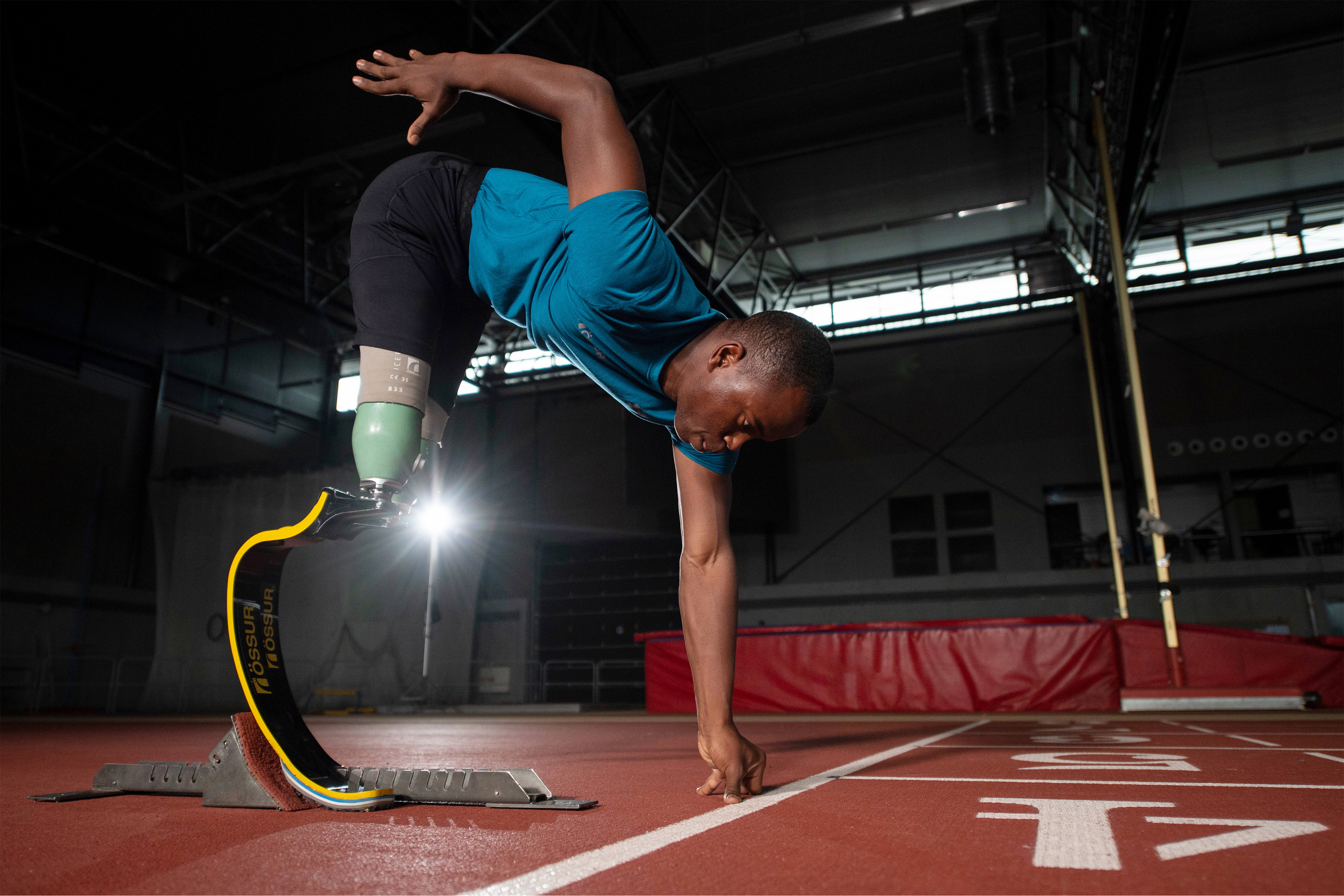
World Intellectual Property Day, marked every year on April 26, celebrates the role of intellectual property in turning ideas into products, services, cultural works, and technologies that improve lives. In 2026, the theme is “IP and Sports: Ready, Set, Innovate,” highlighting how patents, trademarks, designs, and creative rights help drive performance, accessibility, and participation in sport. The theme is led by the World Intellectual Property Organization, which notes that IP-backed creativity and innovation help keep sport “thriving, dynamic and accessible for everyone, everywhere.”
For the orthotics and prosthetics sector, this theme is especially relevant. Sports prosthetics are not simply athletic equipment. They are the result of advanced engineering, materials science, biomechanics, athlete feedback, clinical expertise, manufacturing know-how, and protected intellectual property. When these elements come together, innovation can support mobility, competition, confidence, and everyday participation.
One example is the Össur Cheetah, a high-performance carbon-fibre running prosthesis developed for sprinting and athletic performance. Össur describes the Flex-Foot Cheetah as a custom-built, high-performance carbon fibre foot made primarily for sprinting, while the newer Cheetah Xceed is positioned for elite and recreational amputee athletes. Össur states that since its introduction in 1996, the Cheetah has been regarded as the “gold” standard in prosthetic feet for amputee athletes.
The Cheetah has become one of the most recognisable examples of prosthetic technology in sport because it shows how protected design and engineering can move beyond replacement and into performance. Its distinctive curved carbon-fibre form is designed to store and return energy during running, helping athletes achieve a smoother and more powerful stride. Embla Medical has also reported that para athletes using Össur mobility solutions won 22 medals and set five new Paralympic records at the Paris 2024 Paralympic Games, with Cheetah blades featuring prominently in athletics competition.
Behind products like the Cheetah is a long cycle of research, development, testing, clinical collaboration, athlete input, manufacturing refinement, and IP protection. For companies working in O&P, patents and design rights can help protect the investment required to bring new devices to market. For clinicians and users, that protection can support continued innovation, quality control, and the development of improved generations of technology.
Embla Medical, the parent company of Össur, College Park, FIOR & GENTZ, and ForMotion, has positioned innovation as central to its mobility portfolio. The company states that its work is focused on helping people live a “Life Without Limitations,” and public company information notes a large portfolio of patents and patent applications supporting its prosthetics, bracing, neuro-orthotics, and patient care activities.
According to Embla Medical’s World IP Day message, its portfolio included more than 2,200 patents and patent applications at year-end 2025. This illustrates the scale of protected development behind modern O&P technology and the importance of IP in sustaining innovation across sport, mobility, and everyday life. The company’s 2025 annual report announcement also emphasised continued innovation across Össur, College Park, and FIOR & GENTZ.
For IMEA CPO readers, World IP Day is a reminder that innovation in prosthetics and orthotics depends on more than a new product launch. It requires research, clinical validation, user collaboration, manufacturing capability, protected know-how, and responsible access strategies. In regions where access to advanced prosthetic technologies remains uneven, the challenge is to ensure that innovation reaches more users while still protecting the ideas and investments that make progress possible.
The 2026 World IP Day theme places sport at the centre of the conversation, but the lesson extends far beyond elite athletics. The same innovation ecosystem that creates high-performance running prostheses can also influence everyday mobility devices, paediatric prosthetics, orthoses, bracing systems, digital fabrication workflows, and assistive technologies for broader populations.
Why This Matters for O&P Professionals
World IP Day 2026 highlights several important points for the O&P sector:
- Sports prosthetics show how biomechanics, materials science, engineering, and clinical expertise can combine to improve human performance.
- Intellectual property helps protect the investment needed to develop advanced prosthetic and orthotic technologies.
- Athlete collaboration can accelerate device improvement and translate performance insights into better everyday mobility solutions.
- Protected innovation can support long-term product development, quality, and market confidence.
- The next challenge is making advanced mobility innovation more accessible across regions, including IMEA markets.
For prosthetists, orthotists, technicians, manufacturers, educators, and rehabilitation providers, the message is clear: IP is not only a legal or commercial issue. It is part of the innovation pathway that turns clinical problems into practical mobility solutions.