 By
By
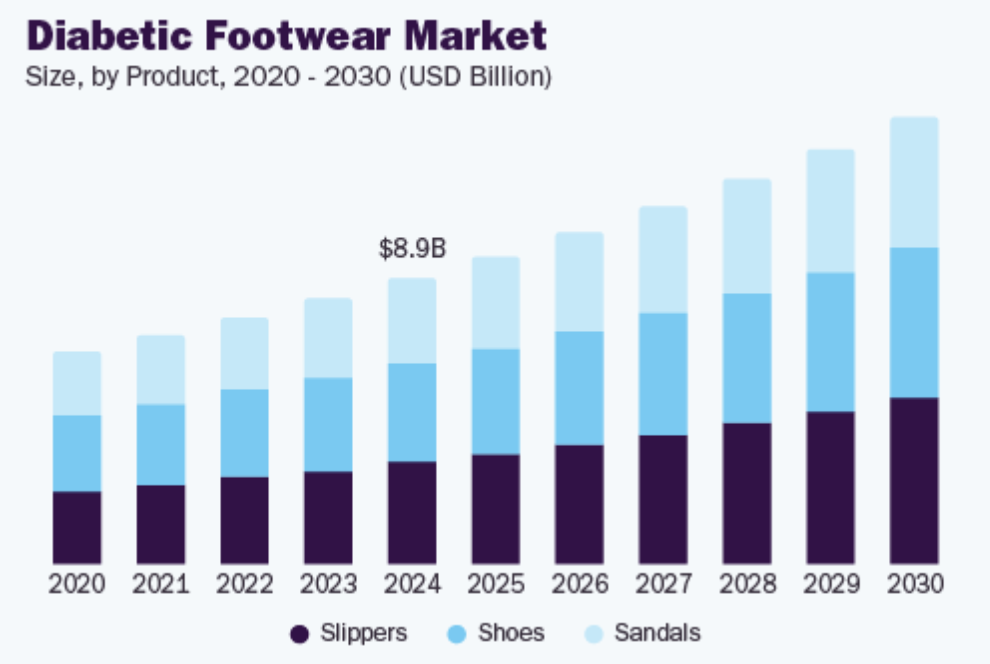
India’s diabetes burden has now crossed 100 million people, underlining the scale of one of the country’s most urgent long-term health challenges and raising major concerns not only for endocrinology and primary care, but also for diabetic foot management, limb preservation, rehabilitation, and prosthetics and orthotics services.
A DD India report, citing the landmark ICMR-INDIAB study, said India has already exceeded 100 million confirmed or undiagnosed cases of diabetes, while the national evidence base shows around 101 million adults are living with diabetes and another 136 million are in the prediabetes stage.
The figures come from one of the largest national assessments of metabolic non-communicable diseases in India, conducted across 31 states and union territories. Published in The Lancet Diabetes & Endocrinology, the ICMR-INDIAB study found that diabetes prevalence in India has risen higher than many earlier estimates, while also showing major parallel burdens in hypertension, obesity, and dyslipidaemia.
According to the DD India article, experts expect India’s diabetes burden to double over the next two decades, a projection that has major implications for health systems already under pressure. The report also notes that diabetes is a major contributor to blindness, kidney failure, heart attack, stroke, and lower limb amputation, connecting the issue directly to long-term disability and rehabilitation demand.
For the prosthetics, orthotics, podiatry, and rehabilitation sectors, that last point is especially important. Diabetes is not only a metabolic disease; it is also a major limb threat. When poorly controlled, it can lead to neuropathy, poor circulation, delayed wound healing, ulceration, infection, and eventually amputation. This means rising diabetes prevalence is likely to translate into greater demand for preventive foot screening, offloading, custom orthoses, footwear, wound pathways, rehabilitation services, and post-amputation prosthetic care. This is a reasoned inference from the disease complications highlighted by DD India and WHO-linked framing in the report.
The national findings also point to a broader public health warning. The same ICMR-INDIAB evidence base found very large numbers of Indians living with associated metabolic risks, including 315 million with hypertension, 254 million with generalised obesity, and 351 million with abdominal obesity. These overlapping conditions matter because they increase the likelihood of more complex chronic disease and a heavier long-term burden on rehabilitation and assistive care systems.
For IMEA CPO readers, India’s diabetes numbers matter well beyond the diabetes clinic. They signal a major future expansion in the need for diabetic foot orthoses, pressure-relieving insoles, custom footwear, brace-based offloading, wound prevention pathways, mobility support, and amputation-related rehabilitation. In practical terms, the challenge is not only to treat diabetes better, but to intervene earlier before patients progress to ulceration, deformity, infection, and limb loss. This is an inference based on the scale of the diabetes burden and the known complication profile cited in the DD India report.
There is also a strategic lesson for healthcare planning. If India’s diabetes burden continues to rise toward the levels forecast, the country will need stronger integration between primary care, endocrinology, vascular care, podiatry, orthotics, rehabilitation medicine, and prosthetics services. Without that, the downstream cost of diabetes will increasingly be paid not only in hospital admissions, but in disability, lost independence, and avoidable amputations.
For the O&P profession, the message is clear: diabetes is becoming one of the most important long-term drivers of demand in the region. Clinics, manufacturers, hospitals, and policymakers that invest now in screening, offloading, protective footwear, patient education, and limb preservation services are likely to be far better positioned than those who respond only after complications emerge.
India’s diabetes crisis is therefore not just a numbers story. It is also a mobility, rehabilitation, and amputation-prevention story — and one that will shape the future of care across the IMEA region.